
Dallas-Fort Worth Airport Logs 228 Flight Delays, 4 Cancellations — Travel Chaos During Spring Break
Dallas-Fort Worth International Airport hit a major travel disruption as 228 flights experienced delays and 4 were cancelled on a single day during peak spring break season. Thousands of passengers faced waits and uncertainty.

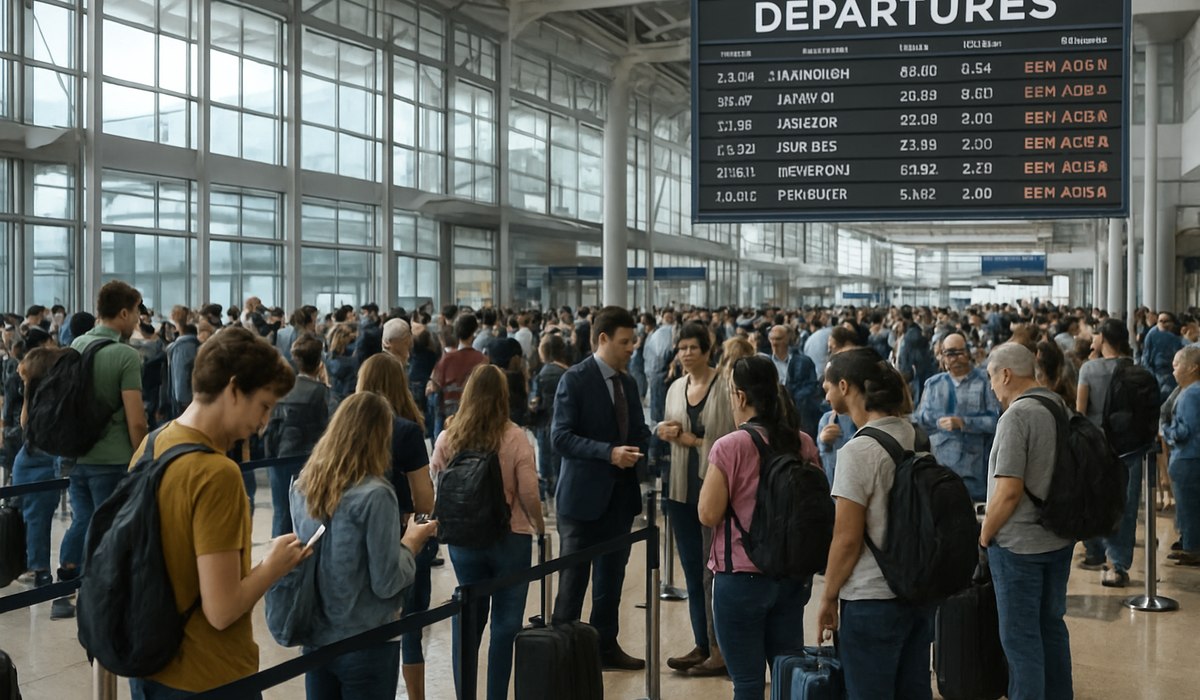
Image generated by AI
DFW Airport Hits Breaking Point: 228 Flight Delays and 4 Cancellations Disrupt Spring Break Travel
Dallas-Fort Worth International Airport experienced significant operational disruptions on Thursday as one of America's busiest transportation hubs struggled with cascading scheduling conflicts during peak spring break season. Flight tracking systems recorded 228 delayed departures and arrivals, along with 4 complete cancellations affecting major carriers including American Airlines, Southwest, and Spirit Airlines. The disruption rippled across the nation as passengers faced crowded terminals, extended waits, and last-minute rebooking challenges.
The incident underscores mounting pressure on major U.S. airport infrastructure as post-pandemic travel demand continues climbing and seasonal peaks strain scheduling systems designed for lighter operational loads.
Quick Summary
- DFW Airport recorded 228 flight delays and 4 cancellations on Thursday
- FlightAware tracked 128 delays directly at DFW facility
- FAA reported minor delays averaging under 15 minutes gate/taxi holds
- Spring break period driving exceptionally high passenger volumes
- Multiple carriers affected; passengers facing extended waits and rebooking issues
The Scale of Thursday's Disruption: Breaking Down the Numbers
FlightAware's comprehensive flight tracking platform documented the extent of DFW's operational challenges, showing 128 flights either departing from, arriving at, or connecting through the airport experienced significant delays. The 4 complete cancellations, while numerically modest, represented stranded passengers requiring alternative transportation arrangements.
DFW handles approximately 67 million passengers annually under normal conditions. During spring break season, this volume concentrates into a few high-demand weeks, with families, college students, and vacationers converging on the airport simultaneously.
Operational Impact Timeline:
- Morning hours: Initial delays cascade from early flights
- Midday: Backlog compounds as aircraft from other hubs arrive late
- Afternoon: Cumulative effects continue affecting evening departures
- Evening: Some recovery as standby crews and alternate aircraft deployed
The Federal Aviation Administration's real-time airport status tracking indicated general conditions with minor delays—typically 15-minute gate holds or taxi queue delays—suggesting that while individual delay durations remained modestly within normal ranges, the aggregate number of affected flights created system-wide stress.
What Triggered the Disruptions: Layered Operational Pressures
No single catastrophic event caused Thursday's disruptions. Instead, multiple operational factors created a perfect storm of scheduling conflicts:
Seasonal Travel Demand Surge Spring break represents one of several peak travel periods when passenger volume exceeds normal operational assumptions. Families planning week-long vacations, students heading home, and business travelers coinciding travel create unprecedented gate occupancy and ground handling demands.
Crew and Aircraft Scheduling Cascades When aircraft from distant hubs operate late, ripple effects extend to connecting flights. A delayed flight departing Denver affects the same aircraft's scheduled departure from DFW hours later. Crew duty-time limitations prevent simple schedule recovery—tired crews cannot fly additional legs without mandatory rest periods.
Air Traffic Control Capacity Constraints DFW simultaneously manages domestic traffic destined throughout North America and international flights routing through U.S. airspace to Europe and beyond. Tower controllers coordinate hundreds of hourly operations, and when demand peaks coincide with aircraft arriving from multiple distant airports, sequencing and spacing requirements create compression points.
Residual Network Effects Airlines operate interconnected networks where disruptions at hub airports transmit outward. A 2-hour delay at DFW delays aircraft arriving at subsequent destinations, affecting crews scheduled for evening flights and disrupting next-day operations.
Passenger Impact: Navigating Chaos at the Terminal
Across DFW's five terminals, travelers experienced:
Extended Waits and Uncertainty Departure boards updated continuously as airlines revised expected departure times hourly. Passengers camping near gates faced unclear timelines, complicating meal planning, medication schedules, and ground transportation arrangements.
Gate Assignment Changes Multiple flight reassignments sent passengers racing between distant terminals. Families with young children and elderly travelers navigated extended distances carrying luggage, increasing fatigue and frustration.
Rebooking Challenges Airline customer service desks processed overwhelming waves of schedule modifications. Passengers with tight connections discovered rebooking options limited, requiring acceptance of later arrivals or alternative routing through distant hubs.
Emotional Exhaustion Beyond inconvenience, the disruption tested passenger patience. Social media reflected humor mixed with genuine frustration—some travelers posted airport terminal photos joking about unexpected extended stays, while others expressed anxiety about missed connections and business meetings.
Operational Context: Major Disruptions in Perspective
Thursday's event, while significant, falls short of the most severe disruptions experienced at major U.S. airports. Winter storms earlier in 2026 generated hundreds of cancellations and thousands of delays across multiple airport regions simultaneously. Maintenance-related groundings and air traffic control system outages have occasionally caused citywide shutdowns.
Nevertheless, aviation experts note that 228 delays at a single airport during daytime operations represents substantial operational stress. When extrapolated across all peak-season days at America's busiest airports, such disruption multiplies into millions of affected passenger-hours annually.
Immediate Guidance for Affected Travelers
If Your Flight Is Scheduled for DFW in Coming Days:
- Check flight status continuously through airline apps and third-party trackers like FlightAware
- Arrive at the terminal earlier than standard recommendations
- Maintain flexibility, anticipating possible rebooking requirements
- Contact your airline immediately if connections appear jeopardized
Documentation for Claims:
- Photograph boarding passes and delay notifications for documentation
- Retain receipts for any meal, ground transportation, or accommodation expenses incurred due to delays
- Request written confirmation of delay reasons from airline staff for potential compensation claims
Frequently Asked Questions
What caused the delays at Dallas-Fort Worth on Thursday? No single cause was identified. The disruption resulted from confluent pressures: spring break season creating exceptional passenger volumes, crew and aircraft arriving late from other hubs, and air traffic control capacity constraints managing hundreds of simultaneous operations.
Will these delays affect flights departing DFW in the following days? Potentially, though recovery is typically rapid for next-day operations. Airlines deploy spare crews, substitute aircraft, and adjust schedules to clear backlogged passengers. However, if disruptions are severe, residual effects may extend 24-48 hours.
Are passengers entitled to compensation for weather-related delays? Under U.S. Department of Transportation regulations, carriers are not required to provide compensation for weather-related delays. However, carriers may offer voluntary compensation, meal vouchers, and rebooking options regardless of cause.
How can I track current DFW airport status? The FAA maintains real-time airport status online at faa.gov/air_traffic/publications/status_reports. FlightAware (flightaware.com) and individual airline websites provide flight-specific delay information and updates.
Should I book connecting flights through DFW during peak travel periods? Connections through major hub airports carry inherent risk during peak seasons. If possible, book direct flights or allow substantial connection time (3+ hours) to accommodate potential delays.
Disclaimer
This article is for informational and educational purposes only. It does not constitute legal, financial, or professional advice. While we strive to provide accurate and up-to-date information, travel policies, regulations, and conditions change rapidly. Always verify information with official sources before making travel decisions. Nomad Lawyer makes no representations about the accuracy, reliability, completeness, or suitability of the information provided. Readers should consult qualified professionals for advice specific to their circumstances. The views expressed in this article are those of the author and do not necessarily reflect the views of Nomad Lawyer.
Raushan Kumar
Founder & Lead Developer
Full-stack developer with 11+ years of experience and a passionate traveller. Raushan built Nomad Lawyer from the ground up with a vision to create the best travel and law experience on the web.
Learn more about our team →