
Cruise Ship Doctor Reveals Medical Limitations and Healthcare at Sea Reality
Cruise ship doctors handle emergencies at sea but face significant treatment limitations. Learn what medical conditions require evacuation and how to prepare for healthcare while cruising in 2026.

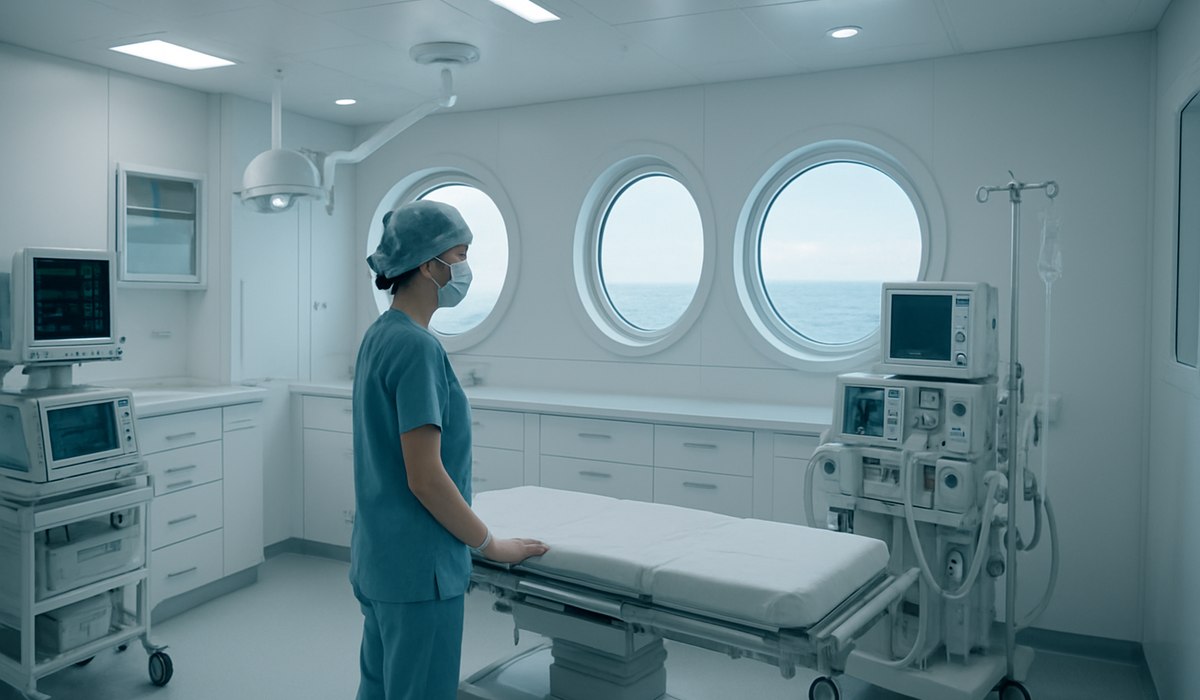
Image generated by AI
Understanding Life as a Cruise Ship Doctor
Cruise ship doctors operate in a unique maritime environment where medical emergencies demand quick thinking and resourcefulness. These healthcare professionals manage everything from minor injuries to life-threatening conditions aboard vessels carrying thousands of passengers. The reality of serving as a cruise ship doctor differs dramatically from land-based practice, requiring physicians to work with limited equipment, restricted pharmacology, and constant connectivity challenges.
Most passengers remain unaware of the medical facilities operating quietly below deck until they require treatment. A sports injury, allergic reaction, or sudden illness can quickly transform a relaxing vacation into a medical crisis. The ship's doctor becomes the frontline responder, responsible for triaging patients, stabilizing conditions, and determining whether onboard treatment suffices or immediate evacuation becomes necessary. This responsibility shapes every decision these maritime physicians make during their contract periods at sea.
Life as a Cruise Ship Doctor
Cruise ship doctors work extended shifts managing patient flow that never stops. Unlike land hospitals with predictable schedules, maritime medical centers operate twenty-four hours daily, treating conditions ranging from sunburn and seasickness to cardiac events and severe trauma. The role demands physicians who combine emergency medicine expertise with adaptability and calm decision-making under pressure.
Contract positions typically last six to nine months, during which doctors remain aboard continuously. This lifestyle isolates physicians from their families and professional networks while demanding constant vigilance. The medical center itself occupies modest space compared to land hospitals, usually featuring exam rooms, basic diagnostic equipment, and a pharmacy stocked with common medications. Staff typically includes one or two doctors, nurses, and trained medical technicians working in rotating shifts.
Healthcare at sea presents unique challenges beyond typical emergency medicine. Patients cannot simply leave the vessel if treatment complications arise during the voyage's early days. Doctors must possess extensive knowledge about when conditions cross the threshold from manageable to evacuation-worthy. Weather conditions, distance from port, and available helicopter resources all factor into medical decision-making. The financial stakes are enormous, with helicopter evacuations costing between fifty thousand and two hundred thousand dollars, creating real tension between patient safety and economic considerations.
Professional isolation affects these practitioners profoundly. Cruise ship doctors cannot consult with specialists in real-time or access the comprehensive diagnostic imaging available on land. They must maintain current medical knowledge despite limited continuing education opportunities. Many physicians view cruise medicine as a temporary position, a way to earn substantial income while experiencing adventure. Others discover unexpected passion for maritime medicine and pursue longer careers at sea.
Medical Capabilities and Equipment Onboard
Modern cruise ships carry surprisingly sophisticated medical center equipment relative to their floating status. Standard facilities include EKG machines, ultrasound devices, X-ray capabilities, and basic laboratory testing systems. Pharmacies stock common antibiotics, cardiovascular medications, pain management drugs, and emergency medications like epinephrine and atropine. Larger vessels operated by major lines feature more advanced equipment than smaller ships, reflecting passenger demographics and itinerary risks.
Diagnostic capabilities remain the critical limitation of shipboard healthcare at sea. While doctors can perform basic imaging and blood work, they cannot conduct CT scans, MRI studies, or advanced neurological assessments. These limitations create the core challenge: determining which patients can safely remain aboard versus those requiring immediate evacuation. A passenger experiencing chest pain presents manageable risk if EKG and troponin testing reveal normal results. The same patient with concerning cardiac markers requires evacuation to a land facility capable of performing catheterization procedures.
Treatment protocols aboard ships emphasize stabilization and pain management rather than definitive care. Surgeons cannot perform emergency surgeries in most maritime settings due to equipment limitations and recovery environment constraints. However, doctors do manage acute conditions including infections, gastrointestinal emergencies, minor wounds, and medication adjustments. Intravenous therapy, oxygen supplementation, and monitoring capabilities allow treatment of moderate conditions before evacuation becomes necessary.
Telemedicine connections increasingly supplement onboard physician knowledge. Radio consultations with land-based specialists provide guidance on complex cases, though real-time imaging sharing remains limited by maritime communication systems. Major cruise lines investing in satellite internet have improved this capability significantly. Nonetheless, the cruise ship doctor ultimately bears responsibility for immediate care while awaiting specialist consultation completion.
Cases That Require Evacuation
Certain medical conditions necessitate immediate evacuation regardless of location or timing. Acute stroke symptoms demand treatment within narrow timeframes available only through land-based facilities equipped for interventional neurology. Heart attacks with concerning EKG changes or elevated cardiac biomarkers require catheterization laboratories that exist only on shore. Appendicitis showing signs of perforation cannot be managed safely aboard any vessel, despite shipboard doctors' surgical training.
Traumatic injuries exceeding treatment limitations of floating medical centers trigger evacuation protocols. Multiple fractures, significant head injuries, or severe burns require trauma centers with complete surgical capabilities. Complications during pregnancy or childbirth that exceed obstetric experience onboard necessitate immediate helicopter evacuation. Severe allergic reactions progressing to airway compromise despite epinephrine administration demand emergency department support systems.
Severe infections showing sepsis signs require intravenous antibiotics, fluid management, and possible dialysis support unavailable shipboard. Uncontrolled bleeding from any source often exceeds maritime capability, particularly when causing hemodynamic instability. Psychiatric emergencies including suicidal ideation require hospitalization capabilities beyond what cruise ships provide. Uncontrolled seizures, stroke symptoms, and severe respiratory distress complete the evacuation priority list.
The decision to evacuate carries tremendous weight for maritime physicians. Cost considerations, weather windows, nearest port location, and patient stability all influence timing and logistics. Insurance coverage becomes critical, as evacuation expenses not covered by passenger policies create significant financial liability. The cruise ship doctor must balance genuine medical necessity against these practical constraints while maintaining ethical standards prioritizing patient welfare.
Cruise Itinerary at a Glance
| Aspect | Details |
|---|---|
| Typical Medical Emergencies | Injuries, gastroenteritis, allergic reactions, medication refills, minor infections |
| Evacuation Cases | Stroke, heart attack, appendicitis, severe trauma, sepsis, severe bleeding |
| Average Response Time | 5-15 minutes for onboard calls, 2-4 hours for helicopter evacuation |
| Medical Staff | 1-2 doctors, 2-4 nurses, 1-2 medical technicians per vessel |
| Equipment Availability | EKG, ultrasound, X-ray, basic lab, pharmacy, IV therapy, oxygen |
| Cost per Evacuation | $50,000 - $200,000 depending on distance and conditions |
| Insurance Requirement | Strongly recommended; many evacuations not covered by cruise fare |
| Average Patients Monthly | 50-150 patients per thousand passengers, depending on itinerary length |
Passenger Health Considerations Before Booking
Travelers should evaluate their health status against known maritime medical limitations before purchasing cruise tickets. Passengers with serious cardiac conditions, recent stroke, or uncontrolled seizure disorders face elevated risk if complications arise far from shore. Pre-existing conditions requiring specialist care should be discussed with personal physicians and cruise line medical staff before boarding.
Insurance coverage represents the critical variable separating manageable medical situations from financial disasters. Standard travel insurance typically excludes pre-existing condition claims, yet evacuation expenses dwarf standard policy limits. Comprehensive cruise-specific medical insurance covering evacuation and onboard treatment becomes essential for passengers over sixty-five or those with chronic health conditions. Cruise lines provide recommended insurance vendors, though independent policies often offer superior coverage.
Medication management requires advance planning. Passengers should carry prescriptions in original containers with pharmacy labels intact. Cruise line medical centers can refill certain medications using international pharmacy networks, though availability varies by itinerary and drug type. Passengers relying on specific medications should carry supply spanning the entire voyage plus five days buffer. Some controlled substances face restrictions in international waters or specific ports, requiring pre-cruise verification.
Pregnant passengers present special considerations. Most cruise lines restrict travel beyond twenty-four weeks gestation, recognizing that premature labor or obstetric complications cannot be
Disclaimer
This article is for informational and educational purposes only. It does not constitute legal, financial, or professional advice. While we strive to provide accurate and up-to-date information, travel policies, regulations, and conditions change rapidly. Always verify information with official sources before making travel decisions. Nomad Lawyer makes no representations about the accuracy, reliability, completeness, or suitability of the information provided. Readers should consult qualified professionals for advice specific to their circumstances. The views expressed in this article are those of the author and do not necessarily reflect the views of Nomad Lawyer.
Raushan Kumar
Founder & Lead Developer
Full-stack developer with 11+ years of experience and a passionate traveller. Raushan built Nomad Lawyer from the ground up with a vision to create the best travel and law experience on the web.
Learn more about our team →