
Carnival Cruise Lawsuit Filed Over $5M Burns on Lido Deck
A Florida passenger is suing Carnival Cruise Line for $5 million after suffering second-degree burns on the Carnival Magic's Lido Deck in May 2025. The lawsuit alleges negligence and unsafe pool deck temperatures.

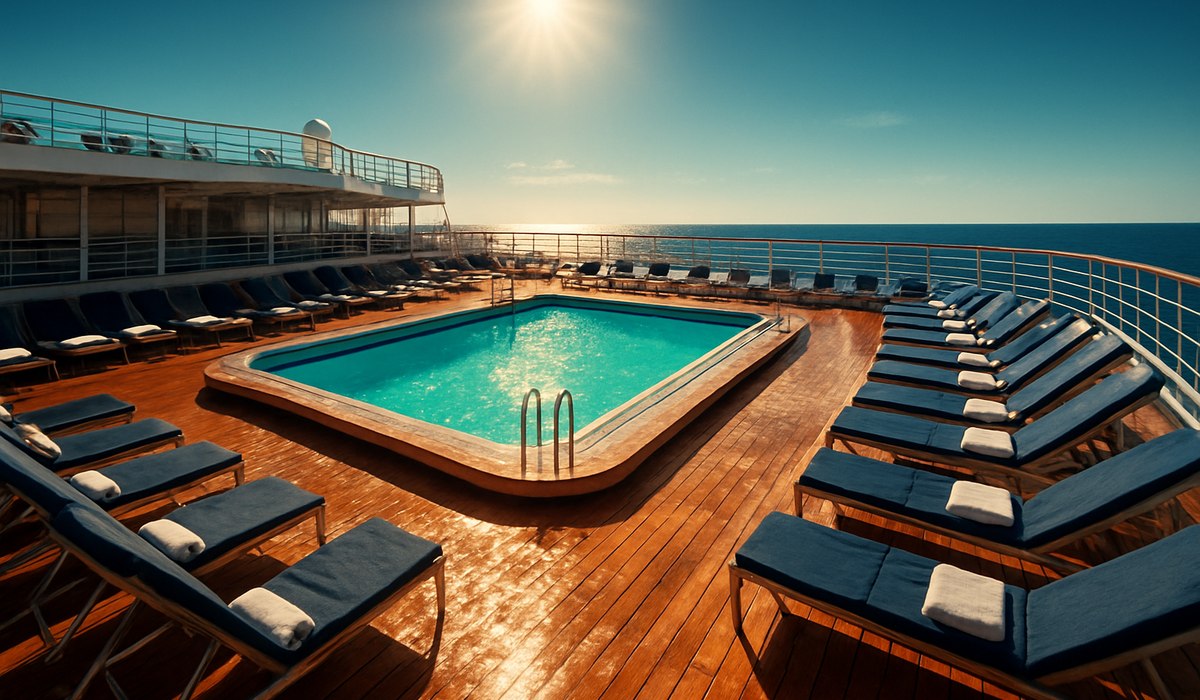
Image generated by AI
Lido Deck Injury Sparks Major Carnival Cruise Lawsuit
Carnival Cruise Line is facing a significant legal challenge after a Florida resident filed a maritime personal injury lawsuit seeking over $5 million in damages. Jorge Luis Alverio Nunez claims he sustained severe second-degree burns to his feet while walking barefoot across the Lido Deck of the Carnival Magic during a May 2025 sailing. The lawsuit, filed in the Southern District of Florida in May 2026, alleges that the cruise operator failed to maintain safe deck conditions and neglected to warn passengers about dangerously high surface temperatures.
What Happened: Passenger Burns on Carnival Magic Pool Deck
According to court filings, the incident occurred on May 21, 2025, when Nunez allegedly walked approximately twenty steps across the Lido Deck to retrieve shoes from his lounge chair. He claims the pool deck surface had reached temperatures high enough to cause tissue damage in seconds, resulting in second-degree burns requiring hospitalization. The passenger reports experiencing ongoing mobility issues and physical disfigurement as a result of the thermal injury.
The Carnival Magic is a 130,000-gross-ton ship operated by Carnival Cruise Line, regularly conducting short itineraries to the Bahamas and Caribbean destinations. While Carnival employs marine-grade flooring materials like Bolidt Future Teak and non-slip coatings designed for heat resistance, the lawsuit contends these measures proved inadequate on this occasion. Medical professionals define second-degree burns as capable of causing significant tissue damage and lasting complications, contrary to some claims they resolve quickly.
Nunez alleges he received no warning from crew members and observed no signage alerting passengers to hazardous deck temperatures. He further claims Carnival knew or should have known the deck conditions posed a danger to barefoot passengers.
The Lawsuit: Claims and Compensation Sought
The carnival cruise lawsuit names Carnival Cruise Line as the defendant and seeks compensation exceeding $5 million. Legal arguments center on negligence allegations, including the cruise operator's failure to maintain safe conditions and implement adequate warning systems for passengers.
Nunez's claim specifies that Carnival crew members should have taken preventive measures to reduce surface temperatures or restrict access to the Lido Deck during peak heating hours. The lawsuit further asserts that absent visible warning signs or crew announcements, passengers could not make informed decisions about barefoot deck use.
Documentation provided by the plaintiff includes hospital records confirming second-degree burns and ongoing treatment requirements. He claims the incident has resulted in substantial medical expenses, lost wages, pain and suffering, and permanent physical consequences. The case remains active in federal maritime court, with Carnival declining public comment on the allegations.
For detailed maritime injury legal information, consult resources through Cruise Critic, which regularly covers passenger litigation and cruise line accountability matters.
Carnival's Responsibility: Negligence Allegations
The lawsuit presents several key negligence arguments against Carnival Cruise Line. First, it contends the operator failed to monitor and control Lido Deck surface temperatures, despite knowing Caribbean sun exposure could create hazardous conditions. Second, it alleges inadequate or inconsistent warning signage failed to alert passengers about temperature dangers.
Third, the lawsuit claims Carnival's own website recommendations—advising guests wear protective footwear—inadvertently acknowledge awareness of hot deck conditions without providing comprehensive safety measures. This admission of knowledge, the claim suggests, demonstrates negligence in managing the underlying hazard.
May weather in the Caribbean typically features air temperatures between 85 and 92 degrees Fahrenheit. Without cooling mechanisms like sea breezes or water spray, exposed dark deck surfaces can exceed 105 degrees Fahrenheit. Although sea breezes and frequent wetting from swimmers theoretically moderate cruise ship deck temperatures, the lawsuit argues these factors proved insufficient on the date in question.
Additional context reveals Carnival encourages passengers to wear boat shoes, sandals with traction, or water shoes. However, water shoes cannot be worn in pools or hot tubs per safety regulations. The cruise line has not publicly disclosed specific temperature monitoring protocols or thresholds for restricting deck access.
Industry Context: Previous Lido Deck Safety Issues
This carnival cruise lawsuit is not the first incident involving Carnival's pool deck safety. Social media posts from cruise passengers document multiple thermal injury complaints across different Carnival vessels dating back several years.
A June 2022 Facebook post from a Carnival Mardi Gras passenger described severely hot pool deck surfaces: "Not actually burnt but they do hurt from the scalding pool decks. This is a cruise ship that travels in the Caribbean sun so they should have a surface that won't get so hot. I saw parents carrying their children over the deck to save their footsies."
According to Nunez's lawsuit, another Carnival passenger experienced burns so severe they resulted in amputation of the foot and leg below the knee. If substantiated, this claim would demonstrate a pattern of thermal injuries across the Carnival fleet requiring immediate remedial action.
Historically, Cruise Critic reports have focused on Lido Deck safety incidents involving slippery surfaces and fall injuries. The emergence of thermal injury claims represents a shift in safety concerns, suggesting that deck heating problems warrant industry-wide attention. No major cruise operators have issued public statements addressing systematic hot deck conditions.
Visit the official Carnival Cruise Line website for updated safety policies and current deck material specifications.
Carnival Magic Cruise Ship Overview
The Carnival Magic serves as one of Carnival Cruise Line's flagship vessels in the Carnival Dream-class fleet. This 130,000-gross-ton ship accommodates approximately 3,690 guests and features modern amenities including multiple pools, hot tubs, dining venues, and entertainment facilities.
The ship operates primarily short-haul Caribbean and Bahamas itineraries departing from ports throughout Florida. Typical sailings range from three to five days, targeting families and budget-conscious leisure travelers seeking accessible tropical vacations.
Carnival Magic launched in 2011 and has undergone multiple renovations to maintain competitive amenities. The vessel features the Lido Deck as a primary guest recreation area, making pool deck safety conditions directly relevant to passenger experience and wellbeing.
Cruise Itinerary at a Glance
| Aspect | Details |
|---|---|
| Ship Name | Carnival Magic |
| Cruise Line | Carnival Cruise Line |
| Gross Tonnage | 130,000 GT |
| Passenger Capacity | Approximately 3,690 guests |
| Typical Itinerary | 3-5 day Caribbean and Bahamas sailings |
| Departure Ports | Florida-based ports (varies by sailing) |
| Primary Destinations | Bahamas, Caribbean islands |
| Deck Material | Bolidt Future Teak with non-slip coating |
| Key Amenities | Multiple pools, hot tubs, dining, entertainment |
| Incident Date | May 21, 2025 |
| Lawsuit Filed | May 11, 2026 (Southern District of Florida) |
| Claimed Damages | $5 million+ |
What This Means for Travelers
Cruise passengers should understand their rights and implement protective measures when sailing aboard any vessel operating in warm climates:
-
Wear protective footwear whenever on outdoor decks, even briefly. Keep shoes accessible near lounge chairs rather than leaving feet completely exposed to heated surfaces.
-
Monitor deck temperatures during peak sun hours (typically 10 AM to 4 PM). Avoid barefoot walking during midday when surface temperatures peak.
-
Report safety concerns immediately to guest services or crew members. Document incidents with photos, timestamps, and crew names for potential
Disclaimer
This article is for informational and educational purposes only. It does not constitute legal, financial, or professional advice. While we strive to provide accurate and up-to-date information, travel policies, regulations, and conditions change rapidly. Always verify information with official sources before making travel decisions. Nomad Lawyer makes no representations about the accuracy, reliability, completeness, or suitability of the information provided. Readers should consult qualified professionals for advice specific to their circumstances. The views expressed in this article are those of the author and do not necessarily reflect the views of Nomad Lawyer.
Raushan Kumar
Founder & Lead Developer
Full-stack developer with 11+ years of experience and a passionate traveller. Raushan built Nomad Lawyer from the ground up with a vision to create the best travel and law experience on the web.
Learn more about our team →