
Croatia's Berlin Move: Why Germany's Largest Travel Market Just Changed
Croatia opens a new tourism office in Berlin to capture Germany's massive travel market, signaling a strategic shift toward year-round tourism growth and enhanced airline partnerships across the Adriatic.

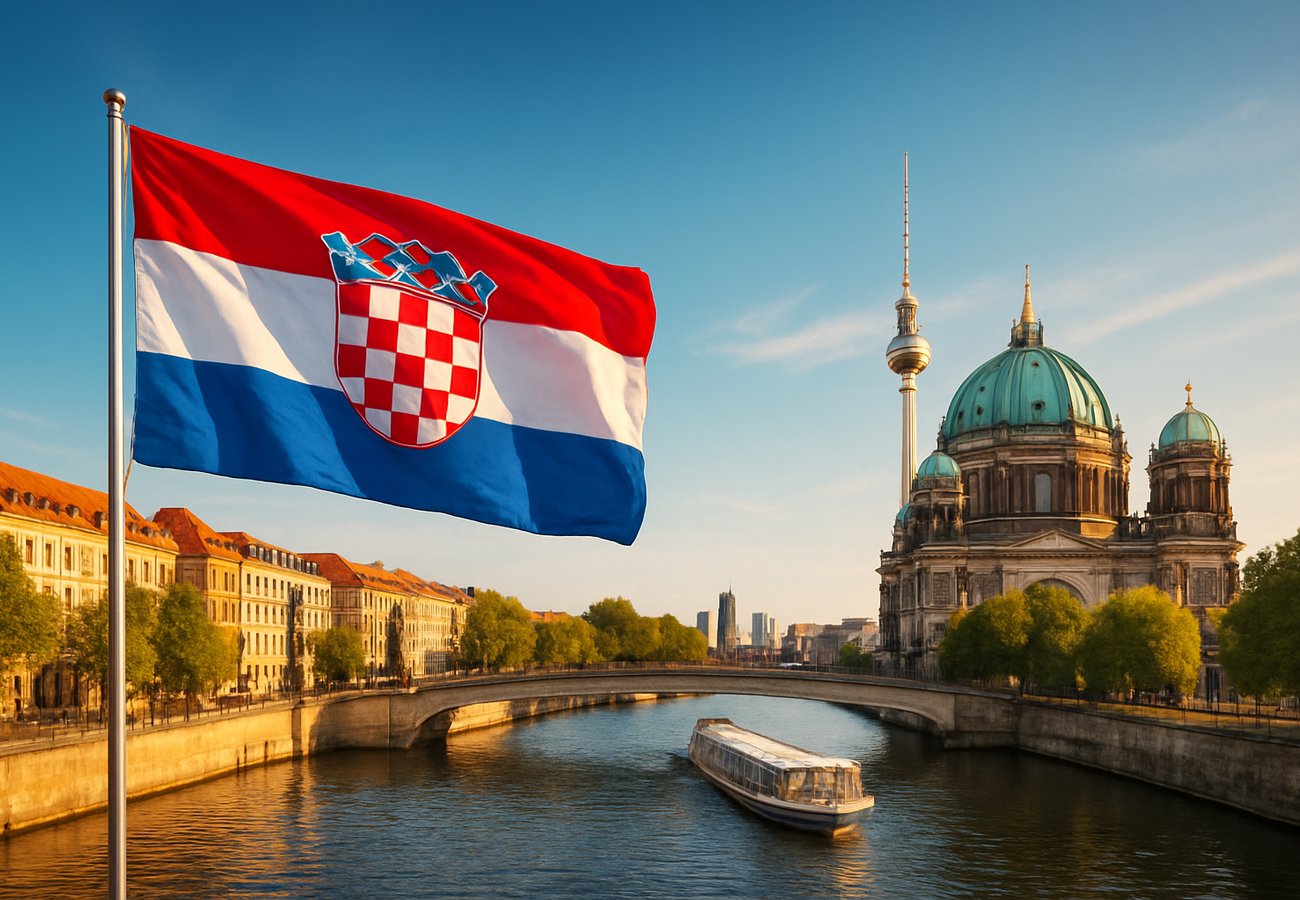
Image generated by AI
The Strategic Play That Changes Everything for Croatia's Tourism
Croatia's National Tourist Board (HTZ) just made a decisive move that will reshape how German travellers discover the Adriatic for the next decade. The inauguration of a dedicated tourism office in Berlin isn't just administrative shuffling — it's a calculated bet on capturing an even larger slice of Europe's most valuable outbound travel market.
Germany has never been just another market for Croatia. It's the market. Over 20 percent of all overnight stays in Croatia come from German visitors, making the country indispensable to the nation's tourism economy. Opening a Berlin office signals one clear message: Croatia is doubling down on the Germans.
Why Berlin? Geography Meets Strategy
Berlin isn't random. It's Germany's political and economic epicenter, and more importantly for travel professionals, it's where tourism decisions ripple outward across the entire German-speaking region.
The new office replaces HTZ's Frankfurt hub — a 30-year institution — while complementing its existing Munich presence. This strategic repositioning covers Germany from north to south, ensuring Croatia maintains visibility across both dense urban markets and regional travel hubs.
Reddit: "Finally, a tourism board that gets it. Berlin is where travel trend-setters congregate." — r/travel
The Numbers That Justify Everything
The data tells the real story. In 2025, German travellers logged 22.3 million overnight stays across Croatia, with Istria, Kvarner, Zadar, and Split regions capturing the lion's share.
But here's what makes this exciting: Germans aren't just coming for eight-week beach marathons anymore. The shift toward pre-season and post-season travel is stretching Croatia's tourism window beyond the brutal summer peak-and-crash cycle. This means tourism businesses can finally breathe during shoulder months.
Air Routes: The Hidden Driver
While German tourists historically drove to Croatia (proximity made it natural), air connectivity is now the game-changer. Croatia currently maintains direct flights from 15 German cities, creating unprecedented accessibility for city-break tourists, family holidays, and short-stay visitors who wouldn't touch an eight-hour drive.
This expanded air network positions Croatia advantageously ahead of the 2026 tourist season, encouraging quick booking decisions from price-sensitive and convenience-focused travellers. Airlines benefit directly — more routes, fuller planes, higher yields.
Who Showed Up to the Berlin Launch
The guest list revealed serious institutional commitment. Kristjan Staničić (HTZ Director), Hanna Kleber (President of Germany's National Tourist Offices Association), Gordan Bakota (Croatian Ambassador to Germany), and Andreas Kolbe (Advisor, Federal Ministry of Economy and Energy Science) all attended.
Their combined presence signalled this wasn't ceremonial ribbon-cutting. It was a bilateral tourism partnership being formalized at the highest levels.
What Travel Businesses Need to Know
For travel agencies, tour operators, and airline partners, this development opens concrete opportunities:
Travel agency coordination intensifies through direct HTZ channels. Airline partnerships get streamlined. Digital marketing campaigns receive enhanced funding and focus. Tourism associations gain a dedicated German-market voice.
The Berlin office specifically targets niche segments — eco-tourism, food-focused travel, wine tours, active wellness breaks — underserved in traditional summer-only marketing.
Reshaping German Traveller Expectations
German tourists are famously deliberate. They value safety, infrastructure, cultural authenticity, and value-for-money experiences. The Berlin office messaging now emphasizes precisely these strengths:
Safe, politically stable destination. Excellent infrastructure. Diverse experiences from Adriatic beaches to Dalmatian forests. Historic treasures and cultural sites that rival Italy and Greece.
These narratives are being amplified directly in the German market where travel habits shift rapidly and trend-setters influence broader consumer behaviour.
Breaking the Seasonal Stranglehold
Croatia's tourism economy has always suffered from seasonal violence — apocalyptic summer crowds followed by winter ghost towns. The Berlin initiative directly addresses this through German travel trend analysis showing growing demand for:
Off-peak travel during spring and autumn. Weekend cultural breaks. Wellness and active holidays. Heritage tourism focused on history and architecture.
This aligns with HTZ's participation in major travel events like ITB Berlin, where Croatia consistently showcases sustainability credentials and year-round offerings to European travel professionals.
Digital Strategy: Where Bookings Actually Happen
Modern travellers research and book online — this is non-negotiable. HTZ emphasizes digital-first tactics through the Berlin office:
Influencer engagement campaigns. Social media storytelling tailored to German audiences. Travel content creator collaborations. Platform-specific digital advertising.
These tactics are more sophisticated than traditional "Visit Croatia!" messaging. They're designed to make Croatian experiences feel attainable, shareable, and personally relevant to individual German travellers.
The Competitive Context
Germany also markets aggressively to other Mediterranean destinations — Spain, Greece, Italy, Portugal. Croatia's Berlin office directly competes for German holiday budgets and attention. By centralizing marketing efforts in Germany's capital, Croatia gains visibility advantage over regional competitors who maintain scattered representation.
The direct flight network creates additional competitive moat — fewer connections mean faster travel, lower costs, and more appealing value propositions for price-conscious German families.
Looking Ahead: 2026 and Beyond
This isn't a one-year initiative. The Berlin office represents structural investment in decade-long tourism growth. Expected outcomes include:
Higher travel demand from German markets. Enhanced brand prestige in core European markets. Expanded market share among competing Mediterranean destinations. Diversified regional tourism — spreading visitors beyond overcrowded coastal hotspots. Sustainable tourism infrastructure supporting longer-term destination management.
With 15 direct flight routes, coordinated German-market campaigns, and dedicated institutional focus, Croatia's tourism sector enters 2026 well-positioned for sustained growth.
The Strategic Shift That Matters
Croatia's Berlin office launch represents mature destination management. It's not about generic promotion. It's about understanding specific source markets, building structural partnerships with airlines and travel agencies, and reshaping visitor flows to serve both traveller interests and destination sustainability.
Germany remains Croatia's engine. This Berlin move simply ensures that engine operates at peak efficiency for the next decade.
Berlin just became Croatia's front-line position in Europe's most competitive tourism battlefield.
Related Travel Guides
Thailand THIM App Slashes Immigration Wait Times to 3 Minutes
Delta Says Premium Cabin Passengers 'Immune' to Economic Shocks
United Airlines Bluetooth Device Forces Dramatic Transatlantic Diversion
Disclaimer
This article is for informational and educational purposes only. It does not constitute legal, financial, or professional advice. While we strive to provide accurate and up-to-date information, travel policies, regulations, and conditions change rapidly. Always verify information with official sources before making travel decisions. Nomad Lawyer makes no representations about the accuracy, reliability, completeness, or suitability of the information provided. Readers should consult qualified professionals for advice specific to their circumstances. The views expressed in this article are those of the author and do not necessarily reflect the views of Nomad Lawyer.
Preeti Gunjan
Contributor & Community Manager
A passionate traveller and community builder. Preeti helps grow the Nomad Lawyer community, fostering engagement and bringing the reader experience to life.
Learn more about our team →