
Delta Says Premium Cabin Passengers 'Immune' to Economic Shocks
Delta's CEO declares premium cabin passengers 'immune' to economic uncertainty and geopolitical disruption in 2026, signaling the airline's strategic pivot toward affluent travelers to offset rising fuel costs.

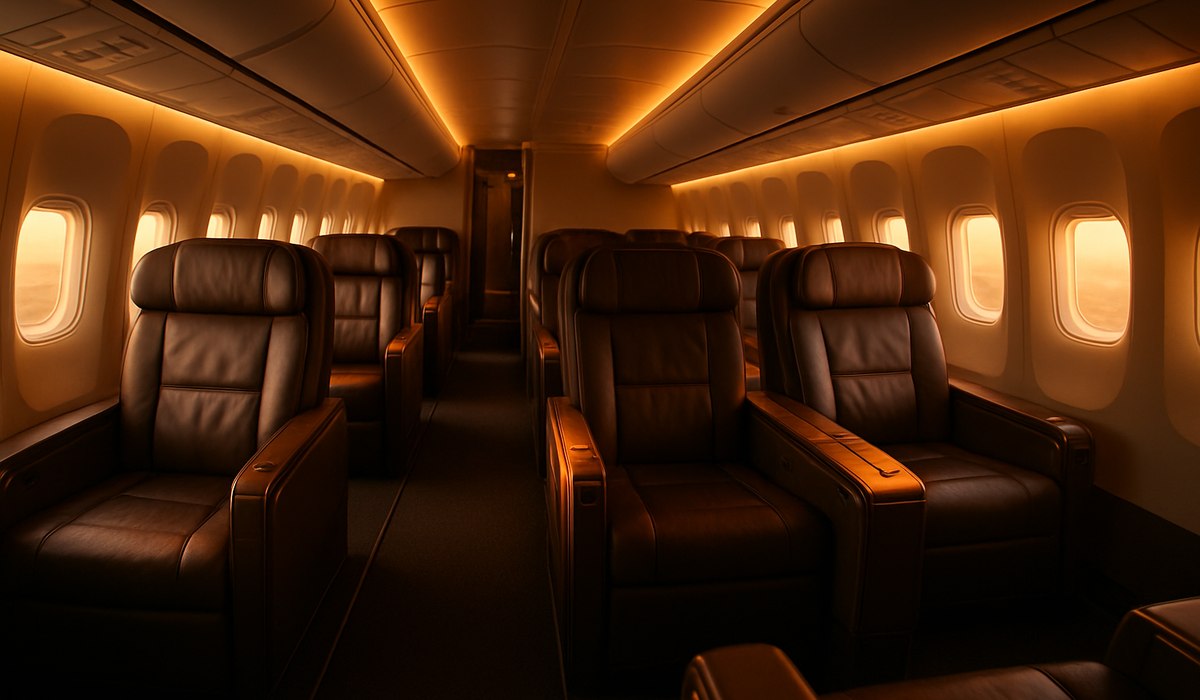
Image generated by AI
Delta CEO Says Premium Passengers Remain 'Immune' to Economic Headwinds
Delta Air Lines is doubling down on high-income travelers, with Chief Executive Ed Bastian describing premium cabin passengers as increasingly "immune" to geopolitical uncertainty and inflationary pressures during the carrier's first-quarter 2026 earnings call. The strategy reflects a fundamental shift in how legacy carriers navigate fuel price volatility and demand fragmentation. Bastian told analysts that affluent flyers are not delaying premium cabin bookings despite escalating oil prices, military conflicts, and volatile financial markets. This revelation underscores Delta's heavy reliance on wealthy travelers to shield revenue from mounting operational costs and industry disruptions.
Premium Demand Shields Delta From Rising Costs
Delta's first-quarter 2026 results reveal that premium cabin revenue has become the airline's financial ballast during turbulent markets. According to earnings disclosures, premium offerings now represent a substantial portion of total revenue, with double-digit year-over-year growth significantly outpacing main cabin expansion. This revenue concentration is critical as jet fuel prices have surged due to global oil supply disruptions. For a carrier operating thousands of daily flights, even modest per-gallon fuel increases translate to billions in additional annual expenses.
Premium seating, cabin upgrades, and ancillary services allow Delta to charge elevated fares without experiencing the demand destruction typically seen in economy cabins. Bastian's comments align with broader industry observations showing a widening gap between affluent and middle-income travelers. While price-sensitive passengers defer leisure trips or book budget carriers, high-net-worth individuals continue investing in premium experiences. This bifurcation has become Delta's competitive advantage. The airline's customer base skews heavily toward six-figure-income households concentrated in major business hubs like Atlanta, New York, Los Angeles, and Seattle. These travelers prioritize schedule reliability, seat comfort, and loyalty program benefits over base fares.
Wealthy Travelers Prove Resilient to Headlines and Inflation
Delta's premium strategy reflects a decade-long repositioning toward affluent demographics. The airline has invested billions in lie-flat business-class seats, premium lounge networks, in-flight Wi-Fi, and operational reliability that appeal to corporate travel managers and frequent leisure flyers. Industry research indicates this cohort accumulated substantial wealth during the post-pandemic recovery and now prioritizes travel experiences over consumer goods.
Unlike economy passengers who evaluate fares across multiple carriers, premium customers exhibit lower price elasticity and higher switching costs tied to loyalty programs and seat preferences. A $200 fuel surcharge on a $400 economy ticket represents a 50% increase; the same surcharge on a $2,400 premium cabin ticket amounts to just 8%. This dynamic allows Delta to absorb fuel inflation while maintaining premium cabin occupancy rates. Corporate travel accounts for roughly 30-40% of Delta's premium revenue, and major corporations have proven reluctant to restrict business-class travel despite economic uncertainty. Executives still require premium seating for long-haul flights and same-day connections, driving consistent demand even when broader economic headwinds intensify.
Capacity Cuts and Elevated Fares Shape Summer 2026 Strategy
Delta has announced plans to "meaningfully" reduce overall flight capacity in response to soaring fuel costs, a move that contradicts traditional demand management but aligns with premium-focused revenue strategy. Rather than expanding seat supply and competing on price, Delta is trimming capacity while raising average fares across all cabins. This approach proves most effective when premium demand remains strong.
The Middle East conflict and associated oil market disruptions have substantially elevated Delta's fuel bill. Analysts expect the airline to maintain elevated pricing through the peak summer travel season, with capacity constraints limiting competition on key business routes. Economy passengers on price-sensitive regional flights will likely experience the steepest fare increases and reduced departure frequency. Conversely, transcontinental and long-haul international routes—where premium cabins generate disproportionate revenue—will maintain robust scheduling and premium-tier pricing power. Delta's bet is straightforward: fewer total seats, sold at higher average yields to affluent travelers, will generate more profit than larger fleets operating at compressed margins. This strategy works only if premium demand remains insulated from economic shocks, which Bastian's earnings commentary suggests it will.
The Widening Gap Between Premium and Economy Markets
Delta's premium-focused strategy illuminates a structural divide in commercial aviation. The airline industry is increasingly bifurcating into two distinct markets: wealthy travelers willing to pay premium prices and price-sensitive passengers hunting bargains across budget carriers and legacy carriers' basic economy cabins.
This split reflects broader wealth inequality trends. During economic downturns, middle-income households cut discretionary spending, including leisure travel and premium cabin upgrades. Simultaneously, high-net-worth individuals may actually increase travel spending as they redirect wealth from depressed equity markets or realize capital gains. Delta's earnings strategy assumes this bifurcation persists through 2026 and beyond. The airline's network of hub cities attracts corporate headquarters, financial institutions, and high-end tourism, creating a structural advantage in capturing premium demand. Competitors like Southwest Airlines, which eschew premium cabins and business-class seating, serve different customer bases and operate under different economic assumptions. For Delta, the logic is clear: maximize revenue from passengers least sensitive to fuel surcharges and capacity constraints rather than compete for price-conscious leisure travelers on economy routes.
Key Data Points: Delta's Premium Cabin Performance 2026
| Metric | Q1 2026 Performance | Year-over-Year Change | Industry Impact |
|---|---|---|---|
| Premium cabin revenue | Substantial revenue driver | Double-digit growth | Outpaces main cabin expansion |
| Jet fuel prices | Elevated above 2025 baseline | Up significantly | Global oil supply disruptions |
| High-income customer base | 30-40% of total passengers | Growing concentration | Six-figure household focus |
| Capacity strategy | Meaningful reductions planned | Fleet optimization | Summer 2026 implementation |
| Business class occupancy | Maintained through earnings call | Resilient demand | Corporate travel stable |
| Average premium fares | Elevated pricing power | Higher than fuel inflation | Margin protection strategy |
What This Means for Travelers
Delta's premium-focused strategy carries direct implications for both affluent and budget-conscious passengers navigating summer 2026 travel:
-
Premium Cabin Fares May Remain Elevated: With strong demand and limited capacity, business-class and first-class tickets will command premium pricing through peak season. Book early if premium travel is essential for your itinerary.
-
Economy Fares Could Rise Sharply: Delta's capacity cuts will tighten seat availability on economy cabins, pushing prices upward particularly on price-sensitive regional routes. Consider booking domestic economy flights several weeks in advance.
-
Route Reductions Likely: Delta will trim flights on thin-margin regional and secondary city routes where premium demand is weak. Check your preferred departure city's flight schedule, as some routes may disappear entirely.
-
Loyalty Program Value Increases: Frequent flyers with elite status can still access premium cabin upgrades and lounge benefits, providing value even if purchasing premium tickets outright proves expensive.
-
Alternative Carriers May Offer Better Economy Pricing: Budget airlines and competitors less dependent on premium cabin revenue may offer more competitive economy fares, especially on routes where Delta reduces capacity.
-
Corporate Travel Budgets Will Face Pressure: Business travelers and travel managers should negotiate with Delta for corporate contracts now, before summer demand peaks and inventory tightens further.
Frequently Asked Questions
Why does Delta say premium flyers are 'immune' to economic disruption?
Delta CEO Ed Bastian indicated that high-income passengers continue booking premium cabins despite geopolitical headlines, wars, inflation, and volatile markets. This group prioritizes travel experiences over price sensitivity and demonstrates lower demand elasticity than price-conscious passengers. Their spending patterns appear disconnected from broader economic uncertainty.
**How are fuel price increases affecting
Disclaimer
This article is for informational and educational purposes only. It does not constitute legal, financial, or professional advice. While we strive to provide accurate and up-to-date information, travel policies, regulations, and conditions change rapidly. Always verify information with official sources before making travel decisions. Nomad Lawyer makes no representations about the accuracy, reliability, completeness, or suitability of the information provided. Readers should consult qualified professionals for advice specific to their circumstances. The views expressed in this article are those of the author and do not necessarily reflect the views of Nomad Lawyer.
Kunal K Choudhary
Co-Founder & Contributor
A passionate traveller and tech enthusiast. Kunal contributes to the vision and growth of Nomad Lawyer, bringing fresh perspectives and driving the community forward.
Learn more about our team →