
Courtyard by Marriott Opens New 106-Room Hotel in Ghaziabad to Serve Delhi NCR Business Hubs
Marriott International expands its Delhi NCR footprint with a new Courtyard by Marriott in Ghaziabad, featuring 106 rooms and 8,000 square feet of event space.

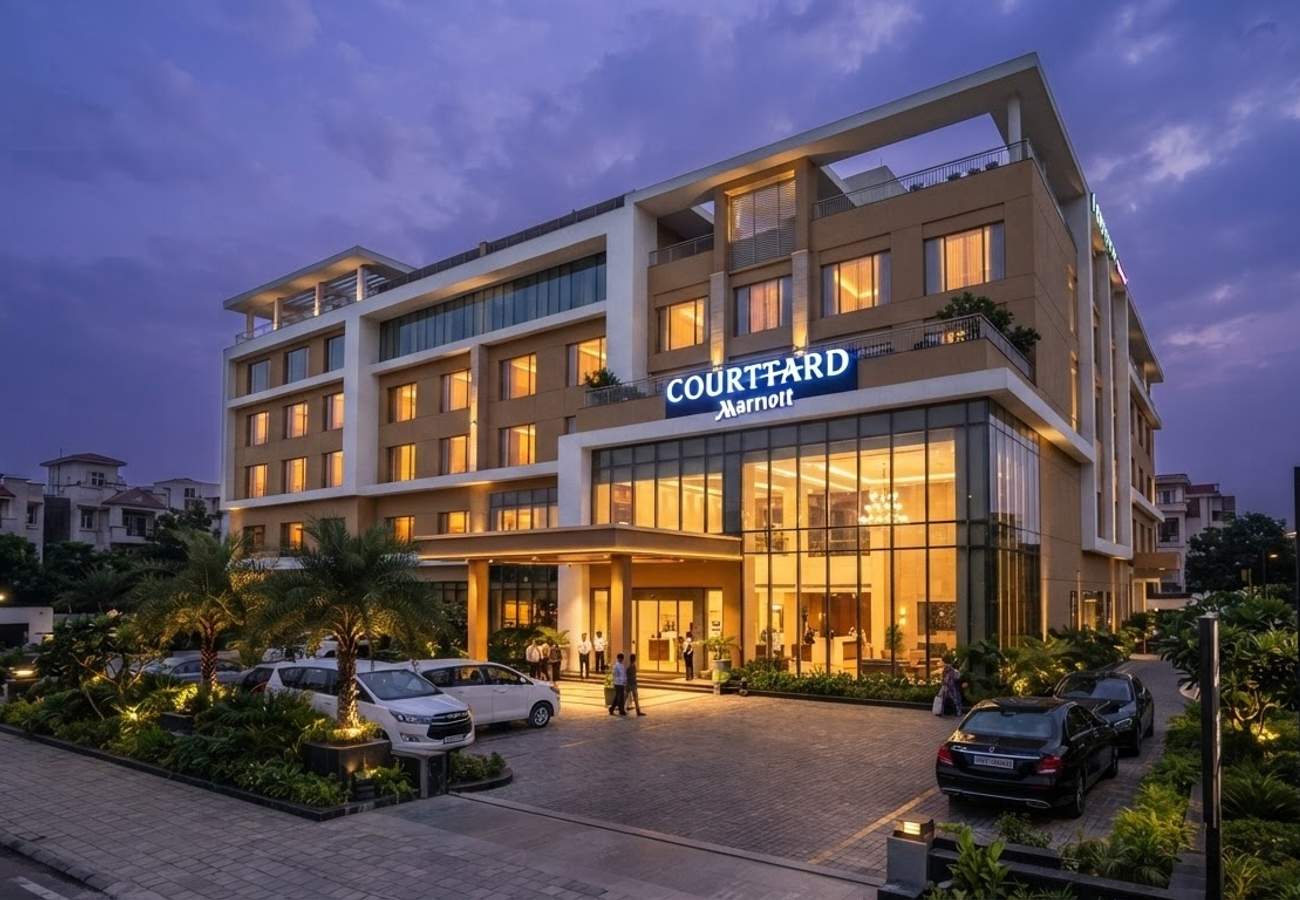
Image generated by AI
Marriott International has officially expanded its presence in the National Capital Region (NCR) with the launch of a new Courtyard by Marriott in Ghaziabad, featuring 106 guestrooms and suites. The property is strategically positioned to capture the surge in corporate and leisure demand across the Delhi, Noida, and Meerut corridors.
The arrival of this premium hospitality asset marks a shift in the region's development pattern. Historically, international hotel brands clustered within the central districts of Delhi. However, industry data shows a clear migration toward emerging residential and industrial hubs. Ghaziabad, now a critical node for manufacturing and commerce east of the capital, has seen a rapid increase in the need for standardized, high-quality accommodation that eliminates the need for guests to commute from central Delhi.
Strategic Positioning in Rajnagar Extension
The hotel is situated within Rajnagar Extension, an area that has evolved from a residential suburb into a primary commercial artery for Ghaziabad. This location allows the property to act as a logistical base for several distinct traveler profiles.
For corporate executives, the hotel provides a sanctuary close to the city's industrial estates and office parks. For families and social groups, it offers a high-end alternative for those attending weddings or visiting relatives in the expanding residential complexes of the area. By anchoring itself in Rajnagar Extension, the hotel leverages the neighborhood's growth and its direct road links to Noida, Greater Noida, and Meerut via major expressways.
Integration with Regional Transport Infrastructure
The viability of the Ghaziabad hospitality market is being fundamentally altered by new transport projects. Most notable is the Delhi–Meerut regional rapid transit corridor, which is drastically reducing travel times between key urban centers in western Uttar Pradesh and the capital.
This rail infrastructure allows guests to bypass the notorious road congestion of the NCR, making Ghaziabad a practical overnight destination for those with multi-city itineraries. The ability to combine rapid rail with local road transport expands the hotel's "catchment area," attracting visitors who previously viewed the city as too inaccessible for a short-term stay.
From a logistical standpoint, the hotel's connectivity is diversified:
- Ghaziabad Railway Station: Approximately 20 minutes away, serving domestic travelers.
- Indira Gandhi International Airport: Roughly one hour away, depending on traffic conditions.
- Highway Networks: Direct access to the primary arteries connecting the NCR's satellite cities.
Accommodation Designed for the "Bleisure" Traveler
The property features 106 contemporary rooms and suites, specifically engineered to cater to the "bleisure" (business + leisure) trend. Recognizing that the line between work and relaxation has blurred, the rooms include dedicated workspaces and high-speed internet connectivity.
This setup is essential for corporate guests who must remain productive between meetings and families who require digital connectivity during leisure trips. Furthermore, the room inventory supports the hotel's event business; delegates attending on-site conferences or wedding parties can reside at the same venue where their events are hosted, streamlining the guest experience and increasing operational efficiency.
Corporate Demand and Event Capabilities
Ghaziabad’s economic profile—characterized by logistics operations, manufacturing plants, and a growing service sector—creates a consistent stream of corporate demand. The hotel addresses a specific pain point for these visitors: the time-consuming nature of NCR traffic. By providing a high-standard hotel within the city limits, Marriott reduces the daily commuting burden for visiting consultants, auditors, and executives.
To support this corporate segment, the hotel offers more than 8,000 square feet of flexible meeting and event spaces. This allows companies to host training sessions, corporate gatherings, and board meetings in a professional environment without leaving the city.
Dining and Social Ecosystems
The hotel introduces two distinct food and beverage concepts designed to appeal to both residents and guests.
L3 Kitchen serves as the primary all-day dining venue. It balances a global menu with regional Indian specialties, catering to the diverse palates of international travelers and local guests. The all-day format is critical for business travelers on tight schedules and event participants requiring seamless meal transitions between sessions.
Yard & Brew offers a more relaxed atmosphere. Operating as a lobby lounge and bar, it focuses on small plates and beverages. This space serves as a vital "third place"—a spot for informal business negotiations that don't require a formal boardroom, or a place for leisure guests to unwind. By opening these venues to the public, the hotel integrates itself into the local Ghaziabad social fabric, drawing in neighborhood professionals and residents.
Why This Matters: The Shift in NCR Urbanism
For the traveler and the business owner, the opening of the Courtyard by Marriott in Ghaziabad is more than just the addition of another hotel; it is a signal of the "de-centering" of the Delhi NCR.
From a logistical perspective, this creates a new hub of activity in East NCR. Travelers no longer have to choose between the luxury of a branded hotel in Delhi and the convenience of staying near their business interests in Ghaziabad. This reduces transit stress and increases the efficiency of corporate trips.
Furthermore, the investment indicates a long-term confidence in Ghaziabad's infrastructure. As the Regional Rapid Transit System (RRTS) matures, we can expect a "cluster effect" where more premium services—healthcare, retail, and hospitality—concentrate around these transit nodes. For the nomad lawyer or corporate consultant, this means the ability to operate from a high-standard base while remaining minutes away from industrial and commercial heartlands.
The expansion of branded hospitality into Ghaziabad confirms the city's transition from a satellite town to a primary economic destination.
Related Travel Guides
Disclaimer
This article is for informational and educational purposes only. It does not constitute legal, financial, or professional advice. While we strive to provide accurate and up-to-date information, travel policies, regulations, and conditions change rapidly. Always verify information with official sources before making travel decisions. Nomad Lawyer makes no representations about the accuracy, reliability, completeness, or suitability of the information provided. Readers should consult qualified professionals for advice specific to their circumstances. The views expressed in this article are those of the author and do not necessarily reflect the views of Nomad Lawyer.
Kunal K Choudhary
Co-Founder & Contributor
A passionate traveller and tech enthusiast. Kunal contributes to the vision and growth of Nomad Lawyer, bringing fresh perspectives and driving the community forward.
Learn more about our team →