
Côte d'Ivoire Tourism 2026: Brazilian Transatlantic Routes, Abidjan Culture, and Coastal Guide

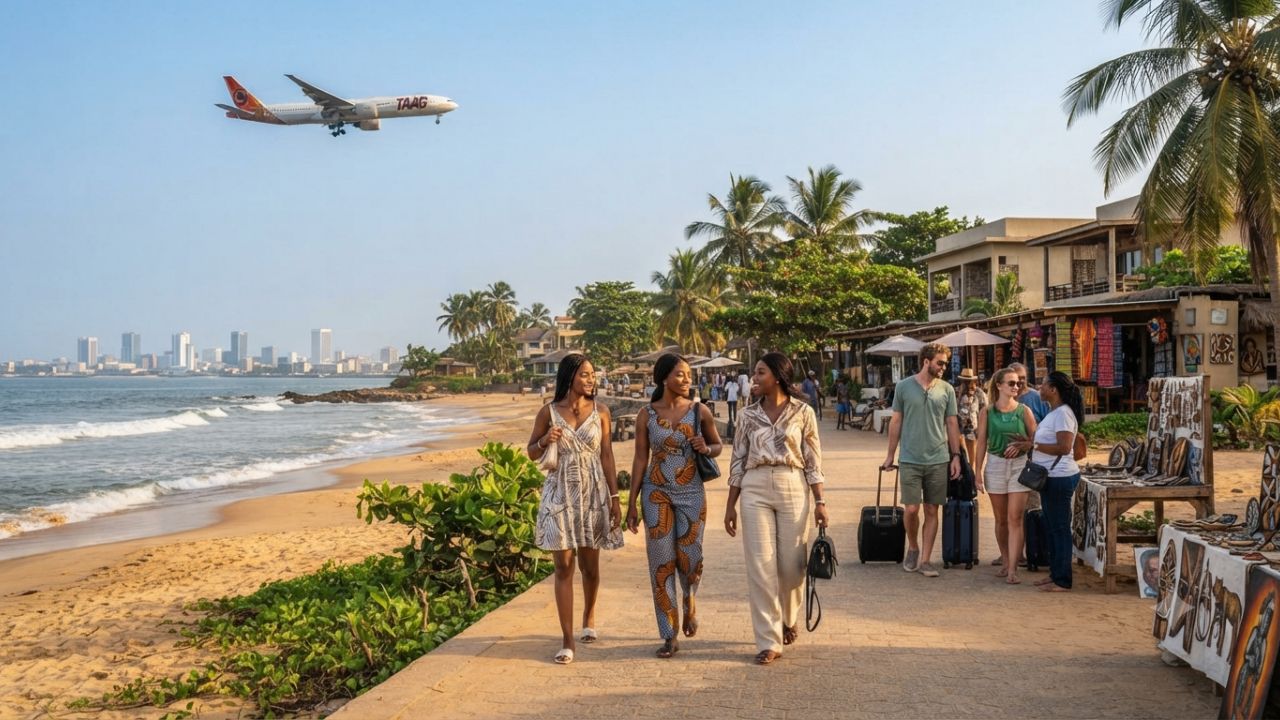
Bridging centuries of shared Atlantic heritage, Côte d'Ivoire has launched a major bilateral tourism and investment campaign targeting South American travelers, anchored by new South Atlantic air connections via São Paulo and Luanda. On 30 April 2026, the Ivorian Ministry of Tourism and Leisure formalized a strategic cooperation framework with Brazilian developers to transform coastal beach resorts from Grand-Bassam to Assinie, moving beyond traditional European visitor markets to tap into the vibrant cultural ties connecting West Africa and Brazil.
Under its ambitious "Sublime Côte d'Ivoire" national development blueprint, the government has accelerated structural reforms across 2026 to position the country as West Africa's leading cultural and coastal destination. From cataloging more than 3,500 formal leisure operators to upgrading transport corridors, Côte d'Ivoire is turning transit stops in Abidjan into multi-week journeys filled with contemporary African art, lagoon dining, and UNESCO-listed colonial history.
Transatlantic Bridges: The Sublime Côte d'Ivoire Expansion
The diplomatic and commercial pivot toward South America is supported by expanding South Atlantic air links operated by TAAG Angola Airlines, which connects São Paulo's Guarulhos International Airport with Abidjan via its Luanda hub. This route cuts travel times between South America and West Africa, eliminating the traditional need for Brazilian travelers to backtrack through European airports.
To ensure this air bridge translates into genuine leisure travel, the Ministry of Tourism and Leisure rolled out a sequence of structural milestones across 2026:
- 10 March 2026: Formal review of the public tourism investment portfolio to align state infrastructure with hospitality corridors.
- 27 March 2026: Launch of a new cross-sector industry agreement under the Sublime Côte d’Ivoire initiative.
- 2 April 2026: Implementation of a comprehensive digital modernization program for licensing and traveler information.
- 30 April 2026: Ratification of the Brazil-linked coastal tourism partnership.
- 5 May 2026: Formal census and mapping of more than 3,500 domestic leisure and recreation operators.
- 7 May 2026: Rollout of a nationwide domestic tourism campaign to complement foreign arrivals.
These coordinated initiatives aim to channel international visitor spending directly into beachfront boutique hotels, lagoon transport services, culinary cooperatives, and heritage conservation trusts across the Gulf of Guinea.
What Makes Côte d’Ivoire Different
Côte d'Ivoire offers a dynamic fusion of cosmopolitan urban energy, lush tropical lagoons, and deep ancestral traditions. Abidjan, often dubbed the "Manhattan of West Africa," is famous for the towering modernist skyline of Le Plateau, the avant-garde fashion houses of Cocody, and a world-renowned contemporary art gallery scene centered in Treichville and Riviera.
The cultural connection with Brazil is profound and tangible. The Atlantic slave trade historically forged deep linguistic, culinary, and spiritual links between the Gulf of Guinea and Bahia. Brazilian visitors find familiar rhythms in Ivorian percussion, shared ingredients like palm oil, cassava, and plantains, and an architectural dialogue visible in the Afro-Brazilian Returnee houses that dot the Atlantic littoral.
Just 45 minutes east of Abidjan lies the historic town of Grand-Bassam, a UNESCO World Heritage site. Here, palm-fringed ocean beaches meet 19th-century colonial villas, artisan woodcarving studios, and the National Costume Museum. Further east along the barrier island, the serene coastal lagoons of Assinie-Mafia offer private boat access to unspoiled Atlantic surf and mangrove nature sanctuaries.
Visitor Insider Tips
Experiencing the best of Côte d'Ivoire requires local insight and smart logistical preparation:
- Entry and Health Requirements: International travelers, including Brazilian passport holders, must obtain an approved electronic visa (e-Visa) before arrival and carry a valid International Certificate of Vaccination against Yellow Fever, which is strictly inspected at Félix-Houphouët-Boigny International Airport.
- Navigating Language Barriers: French is the official working language. While English is spoken in major business hotels, Portuguese-speaking travelers should arrange bilingual cultural guides or translation tools in advance for regional excursions.
- Master Lagoon Transport: Avoid peak-hour traffic across Abidjan's urban bridges by taking the STL or Aqualines water buses across the Ébrié Lagoon. The scenic boat transit offers panoramic views of the Saint-Paul Cathedral and connects Plateau directly with Treichville and Blockhauss.
- Taste Regional Street Gastronomy: Sample Garba (steamed cassava semolina paired with fried seasoned tuna and fresh chili) at an authentic local garbadrome, or enjoy Alloco (fried sweet plantains) served with grilled lagoon tilapia at open-air maquis restaurants along the riverfront.
- Plan Multi-Center Coastal Stays: Split your itinerary by spending 3 nights in Abidjan for art galleries and nightlife, followed by 3 nights in Assinie or San-Pédro for tranquil beach relaxation and coastal forest hikes.
Cultural and Environmental Context
The expansion of coastal tourism under Sublime Côte d'Ivoire places heavy emphasis on sustainable shoreline management and community empowerment. The Gulf of Guinea faces growing climate pressures, including coastal erosion and rising sea levels that threaten low-lying barrier islands and historic colonial buildings in Grand-Bassam.
To protect these vulnerable environments, the Ministry's 2026 development framework mandates eco-sensitive building codes for new resort concessions. Developers are required to preserve natural mangrove forests, maintain green buffer zones along sandy spits, and utilize solar power grids.
Equally essential is the formal integration of local communities into the hospitality value chain. By mapping more than 3,500 informal leisure operators, the government provides certified training in safety standards, hygiene, and hospitality management. This ensures that fishermen, artisan weavers, traditional dancers, and local tour guides earn fair, dignified livelihoods as international tourism expands across the Atlantic coast.
FAQ: Visiting Côte d’Ivoire 2026
Do Brazilian citizens need a visa to enter Côte d’Ivoire?
Yes, Brazilian travelers must apply for an Ivorian e-Visa online prior to travel, presenting confirmed accommodation and flight itineraries.
What is the most convenient flight route between Brazil and Côte d’Ivoire?
TAAG Angola Airlines operates transatlantic flights from São Paulo (GRU) to Abidjan (ABJ) via a single connection in Luanda.
What vaccinations are mandatory for Côte d’Ivoire?
A valid Yellow Fever vaccination certificate is strictly required for all international arrivals entering the country.
What is the best season to visit Abidjan and the coast?
The dry season from November to April offers sunny beach weather, calm ocean conditions, and ideal road travel across the country.
Where Atlantic ocean breezes sweep through historic coastal villas and vibrant creative quarters, Côte d’Ivoire welcomes the world to experience the living heart of West Africa.
Related Travel Guides
- Nepal Airlines Grounded Fleet Crisis: Twin Airbus A330 Faults, Autumn Trekking Disruption, and Travel Guide 2026
- easyJet Flight EZY888 Runway Return: Glasgow Airport Incident, Passenger Rules, and UK Travel Guide
- Papua New Guinea Highlands Travel Guide 2026: Kainantu Earthquake Safety and Cultural Journeys
Disclaimer
This article is for informational and educational purposes only. It does not constitute legal, financial, or professional advice. While we strive to provide accurate and up-to-date information, travel policies, regulations, and conditions change rapidly. Always verify information with official sources before making travel decisions. Nomad Lawyer makes no representations about the accuracy, reliability, completeness, or suitability of the information provided. Readers should consult qualified professionals for advice specific to their circumstances. The views expressed in this article are those of the author and do not necessarily reflect the views of Nomad Lawyer.
Preeti Gunjan
Contributor & Community Manager
A passionate traveller and community builder. Preeti helps grow the Nomad Lawyer community, fostering engagement and bringing the reader experience to life.
Learn more about our team →