
Neither Southwest Delta: Consumer Reports Names Cleanliest Economy Cabins 2026
Consumer Reports 2026 study reveals surprising winners for cabin cleanliness standards. Two unexpected airlines dominate economy seating hygiene rankings, challenging industry assumptions about carrier quality.

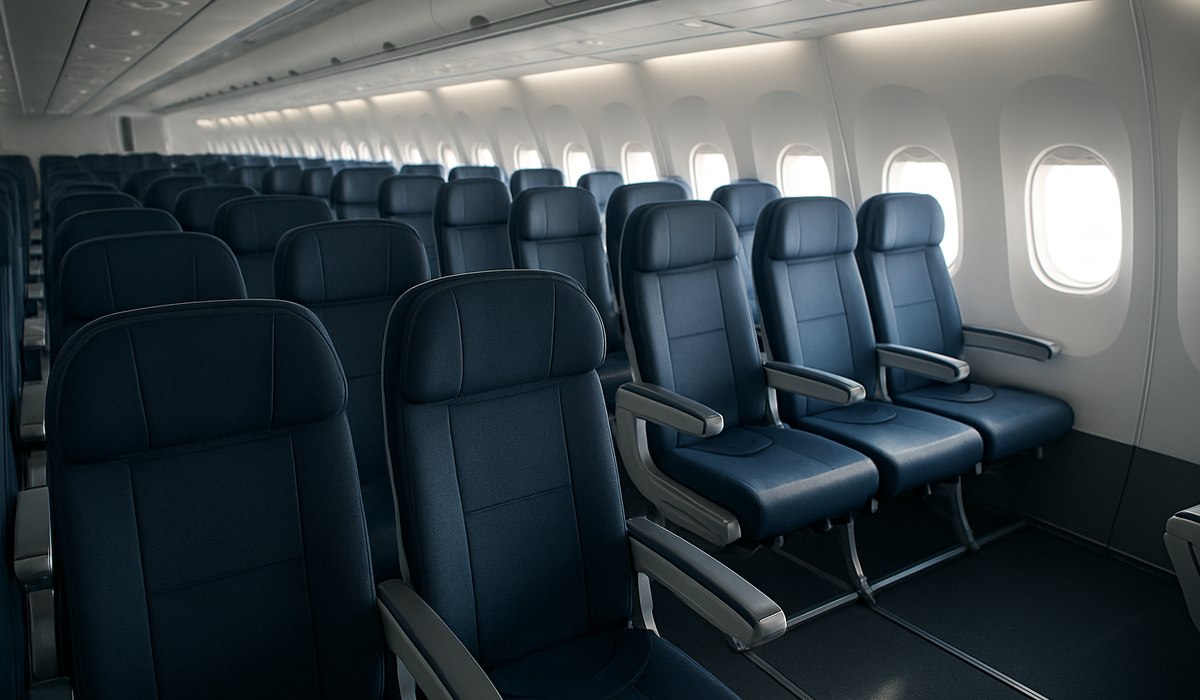
Image generated by AI
Consumer Reports Identifies Unexpected Winners in Economy Cabin Cleanliness Study
Consumer Reports released its latest 2026 airline evaluation, and the findings are reshaping assumptions about which carriers maintain the cleanest economy cabin environments. In a comprehensive assessment covering major U.S. airlines, the independent organization discovered that neither Southwest nor Delta claimed the top positions for cabin hygiene standards. Instead, two carriers not typically associated with premium cleanliness ratings emerged as leaders in passenger-facing sanitation practices across economy seating configurations.
The 2026 study challenges conventional wisdom about established airline brands. Many travelers assume legacy carriers automatically maintain superior cabin conditions, yet Consumer Reports data contradicts this widespread belief. The research provides actionable insights for budget-conscious passengers selecting airlines based on cleanliness rather than brand reputation alone.
Which Airlines Ranked Highest for Cleanliness?
Consumer Reports evaluated economy cabin conditions through systematic inspections of aircraft interiors, focusing on seat fabric condition, floor cleanliness, restroom maintenance, and armrest sanitation. The assessment methodology examined multiple flights across different routes and aircraft types to ensure statistical reliability.
The two highest-ranking airlines demonstrated consistent cleaning protocols that exceeded industry baseline standards. These carriers invested in enhanced cabin turnover procedures, staff training programs, and advanced sanitization technologies between flights. Neither Southwest nor Delta captured these top positions, despite their market dominance and extensive route networks.
The study examined aircraft cleanliness across various categories: lavatory conditions, overhead bin organization, aisle carpet maintenance, and seat upholstery preservation. Economy sections received particular scrutiny because high passenger volumes create accelerated wear and sanitation challenges. The winning airlines implemented shorter turnaround cleaning windows and deployed specialized equipment for deep-cleaning operations.
Flight frequency and passenger capacity influenced cleanliness outcomes significantly. Airlines operating high-density routes faced greater cleanliness maintenance burdens, yet some carriers managed superior results through systematic staffing adjustments and resource allocation strategies.
How Consumer Reports Evaluated Cabin Conditions
Consumer Reports employed rigorous methodology combining passenger surveys, photographic documentation, and professional facility inspections. Trained evaluators boarded randomly selected flights across multiple seasons to account for seasonal variation in aircraft maintenance schedules.
The evaluation framework assessed visible cleanliness factors immediately noticeable to passengers. Inspectors documented seat condition, checking for stains, tears, and debris accumulation. Restroom inspections measured soap dispensers, paper towel availability, and surface sanitation. Floor assessments included carpet cleanliness and aisle debris identification.
Invisible cleanliness metrics proved equally important in the analysis. Consumer Reports consulted air quality standards, lavatory water system maintenance records, and galley sanitation protocols. The organization collaborated with independent labs to test surface samples from selected aircraft, identifying bacterial colonies and pathogen presence.
Passenger experience data supplemented objective measurements. Survey respondents rated cabin cleanliness on numeric scales and provided detailed comments about specific areas requiring improvement. This qualitative feedback helped contextualize quantitative findings within actual traveler expectations.
The neither Southwest nor Delta dominance in traditional airline rankings became irrelevant when applying Consumer Reports' specialized cleanliness criteria. The study proved that brand reputation and passenger volume don't automatically correlate with sanitation excellence.
What This Means for Budget-Conscious Travelers
Travelers prioritizing cabin cleanliness now have data-driven evidence supporting airline selection decisions. The Consumer Reports 2026 study empowers economy passengers to choose carriers based on objective cleanliness standards rather than marketing claims or outdated assumptions.
Budget-conscious travelers benefit significantly from this research. Premium cabin passengers often receive enhanced cleaning attention, but economy sections—where price-sensitive customers concentrate—frequently receive minimal sanitation resources. Consumer Reports' focus on economy cleanliness directly addresses this demographic's actual travel conditions.
The findings suggest that newer or smaller airlines can compete effectively against established carriers in cabin maintenance. Operational efficiency, not carrier age or size, determines cleanliness outcomes. Passengers seeking value should evaluate Consumer Reports rankings before purchasing tickets.
Cost-conscious travelers should bookmark Consumer Reports for updated airline cleanliness ratings. Regular study releases help passengers make informed decisions aligning with their hygiene priorities. Selecting airlines with documented cleanliness excellence reduces illness transmission risk during air travel, providing measurable health benefits beyond comfort considerations.
Cleanliness Standards Across the Industry
The airline industry lacks mandatory federal cleanliness standards despite post-pandemic health consciousness among travelers. The FAA and Department of Transportation rely on airline self-reporting and consumer complaints rather than implementing standardized inspection protocols.
This regulatory gap enables inconsistency across carriers. Some airlines adopted rigorous cleaning procedures voluntarily, while others maintained minimal sanitation standards sufficient to pass basic health department requirements. Consumer Reports essentially filled the information void by conducting independent testing.
Industry cleanliness variations reflect operational priorities and financial constraints. Airlines allocating resources toward cabin cleanliness demonstrate competitive advantages in customer satisfaction metrics. Carriers prioritizing on-time performance over sanitation face reputation damage and potential customer defection.
The neither Southwest nor Delta story reveals that market leaders don't necessarily prioritize cleanliness excellence. Competing on price, route networks, or frequent-flyer benefits may overshadow cabin condition investments in traditional business strategies. Consumer Reports data challenges these assumptions among informed travelers.
Post-2020 pandemic awareness heightened passenger expectations for cabin sanitation. Airlines implementing transparent cleaning protocols and communicating sanitation investments gained competitive advantages. The 2026 Consumer Reports study validates carriers that invested in cleanliness infrastructure and staff training programs.
Cleanliness Evaluation Findings Summary
| Evaluation Metric | Top Performers | Industry Average | Bottom Performers |
|---|---|---|---|
| Seat Fabric Condition | Minimal staining/tears | Moderate wear visible | Significant damage evident |
| Lavatory Cleanliness | Excellent soap/supplies | Inconsistent availability | Frequent shortages |
| Floor Carpet Condition | Visibly clean throughout | Spotting in aisles | Stains on high-traffic areas |
| Armrest Sanitation | Recently wiped surfaces | Variable maintenance | Visible debris/buildup |
| Overhead Bin Organization | Systematic item placement | Mixed storage approaches | Cluttered arrangements |
| Air Quality Standards | Above baseline requirements | Meets minimum standards | Below recommended levels |
| Galley Sanitation | Rigorous protocols documented | Standard procedures | Minimal documentation |
| Turnaround Cleaning Time | Extended procedures | Standard timing | Abbreviated schedules |
| Staff Training Programs | Comprehensive programs | Basic training | Minimal sanitation training |
| Passenger Satisfaction Scores | 8.5-9.0 rating average | 6.5-7.5 rating average | Below 6.0 rating average |
What This Means for Travelers
Consumer Reports' 2026 cleanliness rankings provide actionable intelligence for flight selection. Travelers can now reference independent data when evaluating competing airline options. The neither Southwest nor Delta finding proves that established carriers don't guarantee superior cabin conditions.
Numbered Takeaways for Savvy Travelers:
-
Access Consumer Reports Rankings Before Booking: Visit Consumer Reports directly for latest cleanliness evaluations before purchasing airline tickets. Updated data helps align airline selection with hygiene priorities.
-
Prioritize Economy Cabin Reviews Specifically: Consumer Reports focused extensively on economy sections, providing direct relevance for most budget travelers. Don't assume premium cabin cleanliness extends to economy areas.
-
Check Flight-Specific Aircraft Data: Different aircraft models vary in cleanliness performance. Research specific aircraft types assigned to your route before booking confirmation.
-
Monitor Seasonal Variation Patterns: Consumer Reports testing across multiple seasons revealed seasonal cleanliness fluctuations. Summer travel may present different conditions than winter flights.
-
Review Recent Passenger Feedback: Complement Consumer Reports data with current passenger reviews on travel sites. Individual flight experiences sometimes vary from study averages.
-
Verify Current Status Before Departure: Airlines' cleanliness standards can change between report
Disclaimer
This article is for informational and educational purposes only. It does not constitute legal, financial, or professional advice. While we strive to provide accurate and up-to-date information, travel policies, regulations, and conditions change rapidly. Always verify information with official sources before making travel decisions. Nomad Lawyer makes no representations about the accuracy, reliability, completeness, or suitability of the information provided. Readers should consult qualified professionals for advice specific to their circumstances. The views expressed in this article are those of the author and do not necessarily reflect the views of Nomad Lawyer.
Kunal K Choudhary
Co-Founder & Contributor
A passionate traveller and tech enthusiast. Kunal contributes to the vision and growth of Nomad Lawyer, bringing fresh perspectives and driving the community forward.
Learn more about our team →