
WHO Investigates Fatal Hantavirus Outbreak Aboard MV Hondius Atlantic Cruise
The World Health Organization has launched an urgent investigation after a suspected hantavirus outbreak killed three passengers aboard the MV Hondius cruise ship.

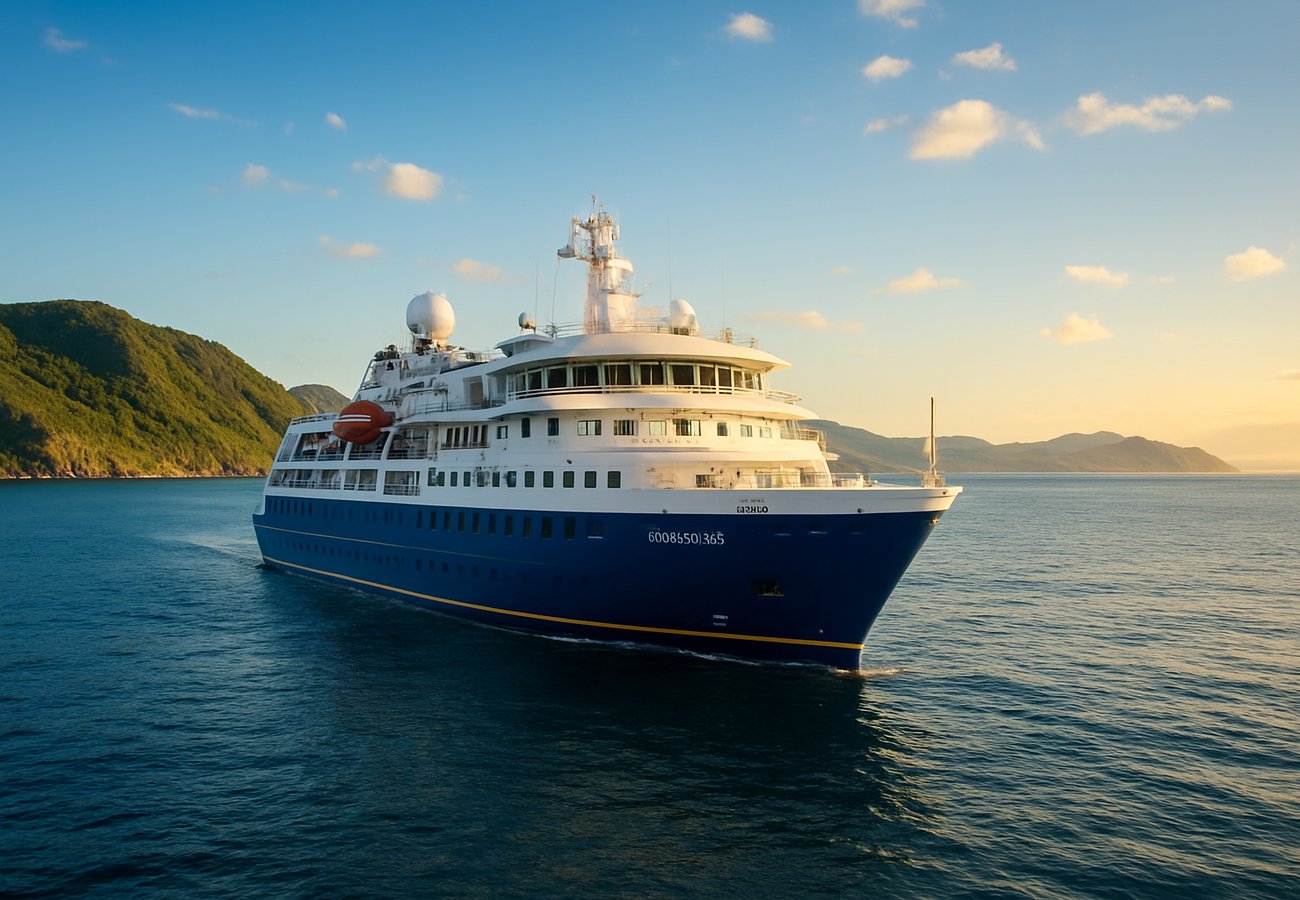
Image generated by AI
Quick Summary
- The World Health Organization (WHO) is actively investigating a suspected hantavirus outbreak aboard the polar cruise ship MV Hondius, which has already claimed three lives during an Atlantic crossing.
- The 107.6-meter vessel, operated by Oceanwide Expeditions with a capacity of 170 passengers, departed Argentina in late March and is currently managing the medical crisis off the coast of Cape Verde.
- The fatalities include a 70-year-old Dutch national who died at sea and his 69-year-old wife who passed away following a medical evacuation to South Africa. The identity of the third victim remains unconfirmed.
- Five additional passengers, including a 69-year-old British national currently in a Johannesburg intensive care unit, are suspected to have contracted the virus, prompting WHO risk assessments regarding highly rare human-to-human transmission.
The World Health Organization (WHO) has launched a sweeping public health investigation following a devastating viral outbreak aboard the Atlantic cruise ship MV Hondius.
The Dutch-flagged polar expedition vessel, operated by Oceanwide Expeditions, became the center of an international medical emergency after a suspected hantavirus cluster emerged mid-voyage between Argentina and West Africa, resulting in three fatalities and leaving several others critically ill.
The MV Hondius: A Polar Voyage Halted
The MV Hondius is a state-of-the-art, 107.6-meter polar cruise ship designed to accommodate up to 170 passengers in a highly luxurious, ice-strengthened environment. The vessel departed from Ushuaia, Argentina, on March 20, 2026, on a long-haul Atlantic itinerary destined for Cape Verde, with a final scheduled leg terminating in the Canary Islands, Spain.
However, the luxury voyage devolved into a severe health crisis when the first signs of acute respiratory illness emerged among the passengers.
The Fatalities:
- The First Victim: A 70-year-old passenger, believed to be a Dutch national, rapidly developed severe symptoms and died aboard the ship. Due to maritime protocols, his body was transferred to the island of Saint Helena, a British territory in the South Atlantic.
- The Second Victim: His 69-year-old wife also contracted the infection. She was medically evacuated to a hospital in Johannesburg, South Africa, but tragically succumbed to the illness shortly after.
- The Third Victim: The WHO has confirmed a third fatality aboard the vessel, though the identity and nationality of this individual remain unclear at the time of writing.
In addition to the deceased, five other passengers are currently under active investigation for suspected hantavirus. Among them is a 69-year-old British national who was airlifted to Johannesburg and remains in critical condition in intensive care.
WHO Investigation and Hantavirus Risk
The WHO has officially confirmed that at least one of the deaths was definitively caused by the hantavirus, triggering a massive epidemiological response.
Hantavirus is generally contracted through environmental exposure to the urine, feces, or saliva of infected rodents. It frequently leads to Hantavirus Pulmonary Syndrome (HPS), a condition characterized by acute respiratory distress that can turn fatal rapidly without aggressive medical intervention.
While human-to-human transmission of hantavirus is historically exceptionally rare, the contained, close-quarters environment of a 170-passenger cruise ship has forced WHO investigators to critically evaluate how the virus spread between the Dutch couple and the other unrelated passengers. Health agencies are currently scrutinizing environmental conditions on the ship, potential rodent exposure during shore excursions, and onboard sanitation protocols.
Coordinated Evacuations and Next Steps
The logistical challenge of managing a highly lethal pathogen in international waters is immense.
The WHO is currently serving as the central coordinating body, facilitating communications between Oceanwide Expeditions, South African medical authorities, and government officials in Cape Verde and Saint Helena.
Current Operations:
- Health officials are preparing medical facilities in Cape Verde to potentially isolate and treat two additional sick passengers currently aboard the vessel.
- The MV Hondius remains under strict health monitoring.
- Once the WHO and local health authorities have successfully offloaded the symptomatic passengers and declared the vessel sanitized and pathogen-free, the ship is expected to be cleared to continue its journey to the Canary Islands, Spain.
The MV Hondius outbreak highlights the acute vulnerability of passengers on long-distance, remote voyages. As the WHO investigation deepens, the cruise industry faces a harsh reminder of the critical importance of early pathogen detection and robust, onboard infectious disease protocols.
FAQ: WHO Investigation into MV Hondius Outbreak
What is the MV Hondius? The MV Hondius is a 107.6-meter polar expedition cruise ship operated by Oceanwide Expeditions. It can accommodate up to 170 passengers and is built to the highest ice-strengthened standards for remote global voyages.
Who is investigating the cruise ship deaths? The World Health Organization (WHO) is leading the investigation into the suspected hantavirus outbreak, coordinating with medical authorities in South Africa, Cape Verde, and Saint Helena.
Can hantavirus spread from person to person? Generally, hantavirus is transmitted through contact with infected rodent droppings. Human-to-human transmission is extremely rare, which is why the WHO is heavily investigating this specific cluster aboard the cruise ship.
Related Travel Guides
Disclaimer
This article is for informational and educational purposes only. It does not constitute legal, financial, or professional advice. While we strive to provide accurate and up-to-date information, travel policies, regulations, and conditions change rapidly. Always verify information with official sources before making travel decisions. Nomad Lawyer makes no representations about the accuracy, reliability, completeness, or suitability of the information provided. Readers should consult qualified professionals for advice specific to their circumstances. The views expressed in this article are those of the author and do not necessarily reflect the views of Nomad Lawyer.
Kunal K Choudhary
Co-Founder & Contributor
A passionate traveller and tech enthusiast. Kunal contributes to the vision and growth of Nomad Lawyer, bringing fresh perspectives and driving the community forward.
Learn more about our team →