
CommuteAir Flight C54340 Embraer E145 Diverts to Charlottesville-Albemarle Airport from Huntsville on July 18
CommuteAir Flight C54340, an Embraer E145 traveling from Huntsville to Washington, was forced to divert to Charlottesville-Albemarle Airport on July 18, 2026.

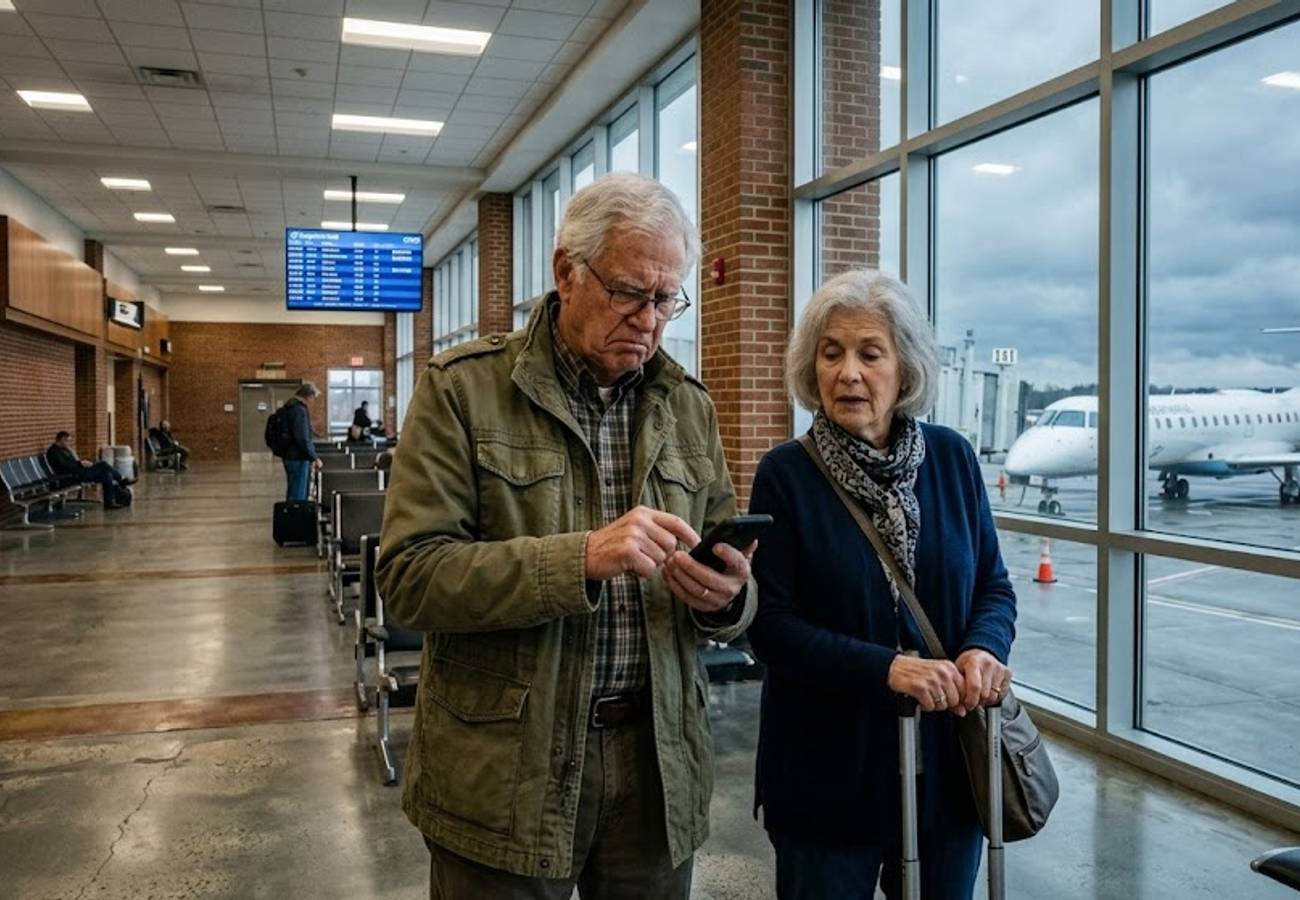
Image generated by AI
[Charlottesville, VA] — A regional passenger flight operated by CommuteAir was forced to change its course on July 18, 2026, resulting in an unexpected landing at Charlottesville-Albemarle Airport. Flight C54340, an Embraer E145 regional jet, was originally bound for Washington Dulles International Airport after departing from Huntsville, Alabama.
The aircraft diverted from its primary flight path during the final stages of its journey. While the flight was intended to connect passengers from a smaller regional hub to a major international gateway, it instead touched down in Virginia, arriving 48 minutes behind its originally scheduled arrival time.
Flight Timeline and Route Deviation for CommuteAir C54340
The operational schedule for Flight C54340 began at Huntsville International Airport. According to flight records, the aircraft was slated to depart from Gate 2A at 12:55 PM CDT. The actual departure occurred slightly later, at approximately 1:19 PM CDT.
The intended destination was Washington Dulles International Airport, with a planned arrival time of 4:01 PM EDT. However, the flight path was altered, leading the crew to redirect the Embraer E145 to Charlottesville-Albemarle Airport. The aircraft eventually landed and taxied to Gate A2F at 4:49 PM EDT.
| Flight Detail | Scheduled / Actual Data |
|---|---|
| Flight Number | C54340 |
| Aircraft Model | Embraer E145 |
| Departure Airport | Huntsville International Airport (Gate 2A) |
| Departure Time | 1:19 PM CDT (Actual) |
| Intended Destination | Washington Dulles International Airport |
| Scheduled Arrival | 4:01 PM EDT |
| Actual Diversion Point | Charlottesville-Albemarle Airport (Gate A2F) |
| Actual Arrival Time | 4:49 PM EDT |
| Total Delay | 48 Minutes |
Analysis of the Diversion to Charlottesville-Albemarle Airport
Industry observers note that the specific cause for the route change of Flight C54340 has not been officially disclosed by the operator. In regional aviation, diversions are common and typically stem from a variety of operational necessities. These can include sudden shifts in weather patterns, the need for technical evaluations of aircraft systems, or passenger-related medical emergencies.
Air traffic control limitations at major hubs like Washington Dulles often necessitate the use of alternate airports to ensure safety and maintain orderly flow. Flight crews are trained to evaluate real-time data and select the most viable alternative based on runway length, available ground support, and current meteorological conditions.
The Embraer E145, utilized for this route, is specifically designed for these types of regional connections. Its ability to operate from smaller airfields makes it an ideal asset for airlines when a primary destination becomes unavailable, as it can land at a wider variety of regional facilities than larger narrow-body or wide-body aircraft.
Passenger Impact and Ground Logistics in Virginia
The diversion created immediate logistical challenges for travelers who had planned to arrive in the nation's capital. Because Charlottesville-Albemarle Airport is located significantly far from Washington Dulles, passengers faced disruptions to their onward travel plans.
Those with tight connecting flights at Dulles or pre-arranged ground transportation in Washington were forced to seek alternative arrangements. In such scenarios, airline operations teams typically coordinate ground transport or rebook passengers on the next available flights to ensure they reach their final destinations.
The arrival at Gate A2F provided the necessary infrastructure for the crew to safely disembark passengers and conduct the required post-flight checks. The use of a regional airport allows for a more controlled environment to manage passenger needs compared to the congestion often found at primary international hubs.
Strategic Role of Regional Airports in Aviation Safety
The selection of Charlottesville-Albemarle Airport as the diversion point underscores the strategic importance of secondary aviation hubs. These airports serve as critical safety valves for the national airspace system.
When an aircraft cannot proceed to a major hub, pilots look for "divert airports" that meet specific safety criteria. These include:
- Runway Compatibility: Ensuring the strip is long enough for the specific aircraft model.
- Operational Support: Availability of fueling, emergency services, and ground handling.
- Weather Buffers: Selecting an airport with clear visibility and stable wind conditions.
For CommuteAir, utilizing the E145 allows for greater operational flexibility. The aircraft's performance characteristics allow it to transition from a high-traffic corridor to a regional facility without the complexities associated with larger jets.
Why This Matters: The Broader Impact on Regional Aviation
The diversion of Flight C54340 is a practical example of the "hub-and-spoke" model's vulnerability and its inherent redundancies. Regional airlines act as the critical spokes connecting smaller cities like Huntsville to global hubs like Washington. When a link in this chain is broken—whether by mechanical issues or air traffic congestion—the reliance on secondary airports becomes paramount.
This incident highlights a growing trend in aviation where operational resilience is prioritized over strict adherence to schedules. By diverting to Charlottesville, the crew prioritized the safety of the passengers and the integrity of the aircraft over the convenience of the original destination.
Furthermore, it emphasizes the need for passengers on regional routes to maintain flexible itineraries. As air traffic density increases at major US airports, the frequency of "tactical diversions" is likely to rise. The ability of regional jets to pivot to smaller airfields ensures that even when a flight does not reach its intended destination, the safety outcome remains positive.
The safe landing of Flight C54340 reinforces the critical role of regional infrastructure in maintaining the stability of the US aviation network.
Related Travel Guides
Disclaimer
This article is for informational and educational purposes only. It does not constitute legal, financial, or professional advice. While we strive to provide accurate and up-to-date information, travel policies, regulations, and conditions change rapidly. Always verify information with official sources before making travel decisions. Nomad Lawyer makes no representations about the accuracy, reliability, completeness, or suitability of the information provided. Readers should consult qualified professionals for advice specific to their circumstances. The views expressed in this article are those of the author and do not necessarily reflect the views of Nomad Lawyer.
Raushan Kumar
Founder & Lead Developer
Full-stack developer with 11+ years of experience and a passionate traveller. Raushan built Nomad Lawyer from the ground up with a vision to create the best travel and law experience on the web.
Learn more about our team →