
Colorado Mountain Tourism Shifts: How Resorts are Adapting to Year-Round Demand and Changing Visitor Spending Patterns
Colorado mountain destinations are transitioning to year-round tourism, balancing resilient luxury demand with value-seeking midweek travelers in 2026.

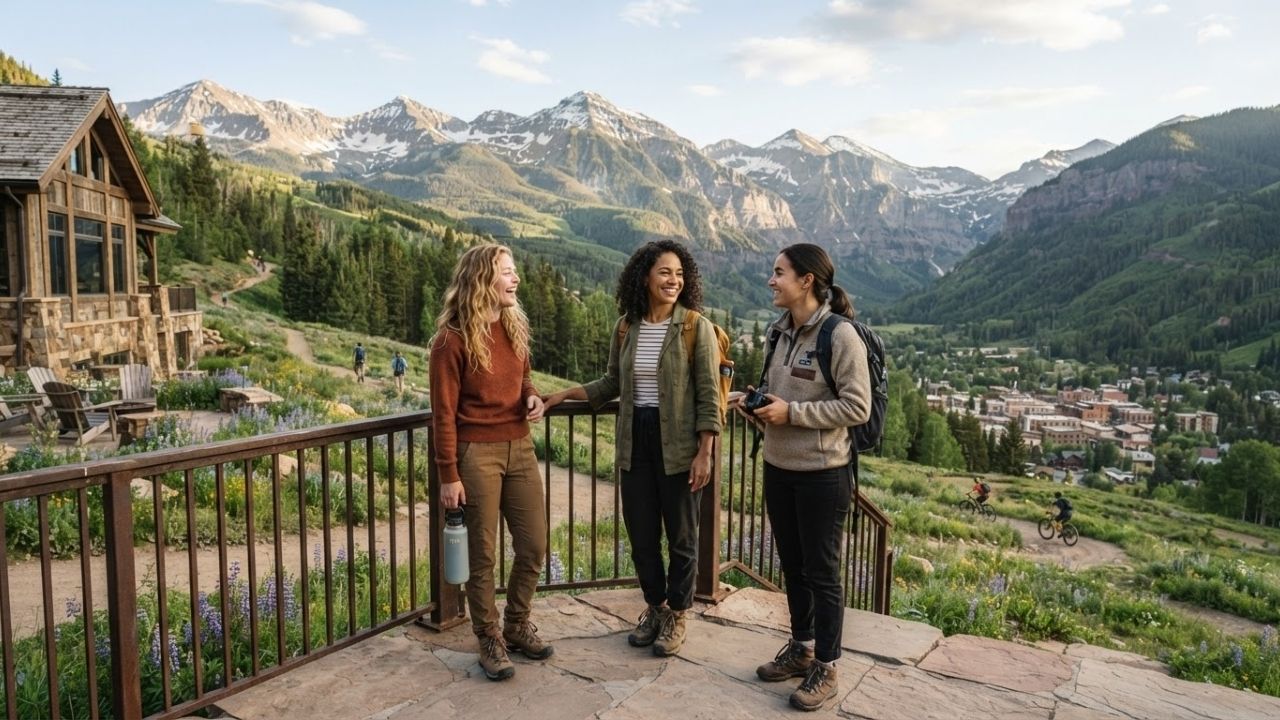
Image generated by AI
Adapting to a divided travel market and shifting seasonal weather, Colorado's mountain resorts are transitioning to year-round destinations to capture diverse traveler spending.
High-country travel in the Rocky Mountains has entered a new phase as destinations adjust to changing climate patterns and visitor expectations. Tourism disclosures show a significant rise in summer and shoulder-season bookings following a winter season with limited snowfall and reduced ski activity. The recovery highlights a divided travel market, with luxury travelers maintaining spending on premium experiences while budget-conscious visitors seek better value. This shift is encouraging resort communities to reduce their dependence on winter sports, expanding active travel options throughout the year.
Year-Round Adaptation: Transitioning Beyond Traditional Ski Tourism
Colorado’s tourism industry is adapting to a changing climate by developing year-round recreation options. While winter skiing remains a key revenue driver, local operators are expanding activities for the warmer months. Travelers are increasingly visiting the mountains for hiking, gravel cycling, white-water rafting, and high-altitude wellness retreats.
This shift helps mountain communities stabilize their local economies, protecting businesses from unpredictable winter snowfall conditions. By promoting summer adventures and autumn foliage tours, resorts can keep hotels, restaurants, and retail shops open throughout the year. This transition supports steady employment for local guides and hospitality workers, ensuring that regional tourism remains resilient.
Luxury Resilience: Premium Travel Demand in Aspen, Vail, and Telluride
A primary trend in Colorado's mountain market is the stability of the luxury travel segment. High-income travelers continue to spend on premium lodging, private outdoor guides, and exclusive wellness programs. This demand supports high-end hospitality providers in established destinations like Aspen, Vail, and Telluride.
These affluent travelers prioritize personalized experiences over standard sightseeing vacations. Fine dining, customized back-country tours, and private resort amenities remain highly sought after. This premium travel activity helps maintain visitor revenue in resort towns, supporting local upscale businesses and boutique service providers.
Cost-Conscious Shift: Midweek Stays and Advanced Booking Patterns
While luxury travel remains steady, budget and mid-range travelers are showing price sensitivity in response to rising travel costs. Expenses for lodging, transport, and dining are influencing how families and casual tourists plan their mountain trips. Travelers are increasingly comparing prices, researching options, and choosing shorter stays.
A major result of this trend is the growing popularity of midweek travel. To avoid higher weekend rates, visitors are booking Monday-to-Thursday stays when lodging prices are more competitive. Additionally, travelers are planning their trips further in advance, extending booking windows to secure early-bird discounts and value packages.
Natural Attractions: Rocky Mountain National Park and Historical Districts
Colorado's natural parks and historic towns remain the core of its outdoor appeal, drawing visitors from around the world:
- Rocky Mountain National Park: Offers extensive trail networks, wildlife viewing, and dramatic scenery, attracting hikers and photographers.
- Breckenridge: Combines historic mining charm with modern cycling, hiking, and family-friendly recreation.
- Vail: Draws visitors to its alpine-style village, offering year-round outdoor events and premium lodging.
- Aspen: Serves as a premier luxury destination, hosting cultural events, high-end shopping, and wilderness trails.
- Telluride: Attracts travelers seeking rugged wilderness, historical preservation, and outdoor music festivals.
Economic and Ecological Preservation in Colorado's Resorts
The transition to year-round tourism supports local economies while presenting conservation challenges. Local business networks—including gear shops, restaurants, and transport services—rely on visitor spending to survive. This spending helps fund municipal infrastructure and supports regional conservation initiatives.
However, increased trail use during the summer requires careful environmental management. To protect fragile alpine ecosystems, park officials encourage visitors to follow "Leave No Trace" principles. Many resort towns manage free hybrid shuttle buses to reduce traffic congestion and carbon emissions in mountain valleys, protecting local air quality and wildlife habitats.
Practical Travel Advice and Local Insider Tips
Planning a mountain trip to Colorado requires attention to safety and seasonal conditions. Local guides and park rangers recommend following these guidelines:
- Observe the Shoulder Season Window: Plan your visit during the "mud season" months of May or October. Lodging rates are lowest, and popular trails in Rocky Mountain National Park are quiet.
- Refuel with Local Gastropub Specialties: Try regional game dishes, fresh Rocky Mountain trout, or a slice of peach pie made with local Palisade peaches at independent mountain restaurants.
- Respect Alpine Wildlife and Park Rules: When visiting Rocky Mountain National Park, maintain a safe distance of at least 75 feet from elk and moose. Never park on highway shoulders to view wildlife, as this blocks traffic.
- Hike the Historic Ghost Towns: Explore historic areas like the St. Elmo ghost town near Buena Vista to discover regional history away from crowded resort centers.
- Use Municipal Mountain Shuttles: Save on parking fees and reduce emissions by using the free shuttle bus systems operating in Aspen, Vail, and Breckenridge.
Colorado Mountain Tourism Performance Matrix (2026 Data)
| Colorado Destination | Primary Target Audience | Key Seasonal Activities | Pricing & Booking Trend |
|---|---|---|---|
| Aspen | Premium / Luxury travelers | Fine dining, wellness, hiking | Stable high rates, long stays |
| Vail | Luxury & Family travelers | Alpine hiking, cycling, events | Premium pricing, early bookings |
| Breckenridge | Families & Mid-range travelers | Historic walks, hiking, biking | High midweek demand, value packages |
| Telluride | Premium / Adventure travelers | Wilderness hiking, music festivals | Premium rates, exclusive bookings |
| Rocky Mountain National Park | Nature & Outdoor enthusiasts | Wildlife viewing, trail hiking | Daily vehicle pass required |
| Alternative Resorts | Budget & Family travelers | Rafting, camping, local dining | High Monday-to-Thursday discount demand |
Frequently Asked Questions
Why are Colorado travel trends changing in 2026?
Travel trends are shifting as mountain destinations adapt to a divided market, with luxury travelers seeking premium experiences and budget visitors choosing midweek stays for better value.
Are luxury travelers still visiting Colorado resorts?
Yes. High-income tourists continue to drive demand for premium accommodations, wellness programs, and private outdoor excursions in Aspen, Vail, and Telluride.
Why are budget-conscious travelers choosing midweek stays?
To manage rising costs, budget and mid-range travelers are booking Monday-to-Thursday stays, when accommodation rates are typically more competitive than on weekends.
What activities are driving Colorado's summer tourism growth?
Mountain destinations are expanding non-ski options, including trail hiking, gravel cycling, river rafting, music festivals, and high-altitude wellness retreats.
The Long-Term Outlook for Sustainable Mountain Travel
The future of Colorado tourism depends on balancing economic growth with environmental conservation. By promoting summer recreation and midweek travel, resorts can create a more stable, year-round business model. As climate challenges impact winter conditions, the state's focus on diversifying its tourism products will help ensure long-term resilience. For travelers, this means more varied travel choices, better booking flexibility, and opportunities to support local mountain communities.
By using public transit options and supporting local conservation initiatives, visitors help ensure that Colorado's Rocky Mountains remain protected for future generations.
Related Travel Guides
Disclaimer
This article is for informational and educational purposes only. It does not constitute legal, financial, or professional advice. While we strive to provide accurate and up-to-date information, travel policies, regulations, and conditions change rapidly. Always verify information with official sources before making travel decisions. Nomad Lawyer makes no representations about the accuracy, reliability, completeness, or suitability of the information provided. Readers should consult qualified professionals for advice specific to their circumstances. The views expressed in this article are those of the author and do not necessarily reflect the views of Nomad Lawyer.
Raushan Kumar
Founder & Lead Developer
Full-stack developer with 11+ years of experience and a passionate traveller. Raushan built Nomad Lawyer from the ground up with a vision to create the best travel and law experience on the web.
Learn more about our team →