
China’s Shanwei Tourism Boom Accelerates As Guangdong’s 467km Coastline Becomes A New Seaside Leisure Escape
China’s Shanwei Tourism Boom Accelerates As Guangdong’s 467km Coastline Becomes A New Seaside Leisure Escape

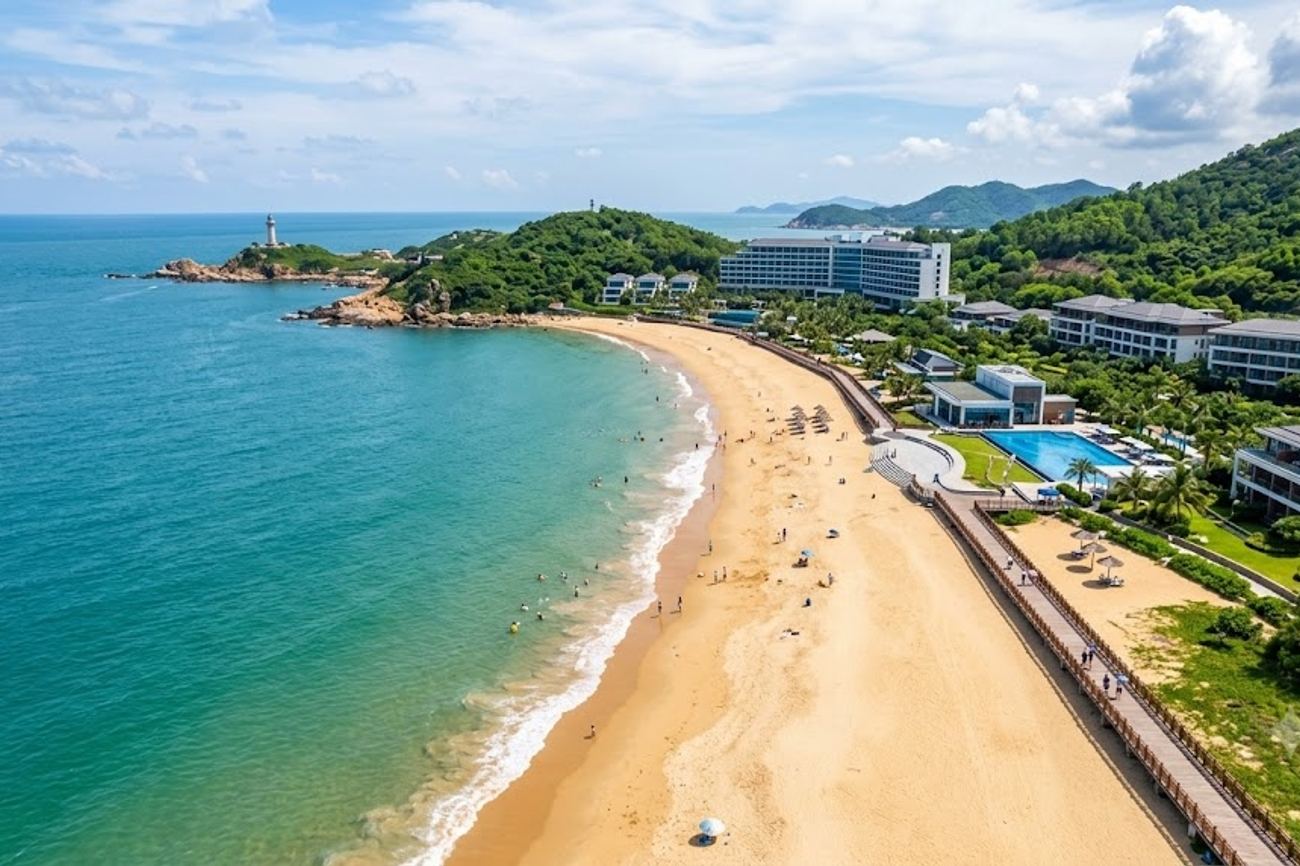
Image generated by AI
A 467-kilometer coastline is the catalyst for a systemic pivot in Guangdong Province’s tourism economy, as the city of Shanwei transforms from a quiet maritime outpost into a diversified leisure hub. By leveraging this massive geographical footprint, Shanwei is aggressively positioning itself as a strategic alternative to China's oversaturated coastal metros, targeting a shift in consumer behavior that favors "slow travel" and experiential nature over traditional sightseeing.
The Strategic Pivot to the South China Sea
The rapid evolution of Shanwei is not a random surge in popularity but a calculated urban planning strategy. The city is currently deploying its extensive waterfront to capture a specific segment of the domestic market: urban dwellers from Guangdong’s hyper-dense cities who are seeking "escape" tourism. By integrating modern urban amenities into a natural seaside setting, Shanwei is attempting to bridge the gap between raw nature and luxury convenience.
This development is centered on three primary anchors: Honghai Bay, Jinding Bay, and Changsha Bay. Each zone is designed to capture a different traveler demographic, moving the city away from a "one size fits all" tourism model. This diversification is essential for long-term sustainability, as it protects the local economy from the volatility of any single traveler segment, such as the seasonal peaks of family vacations or the niche demands of adventure sports.
Infrastructure Mapping and Zonal Development
The transformation of Shanwei is characterized by a transition from industrial utility to leisure capital. The most striking example is the adaptive reuse of infrastructure in Honghai Bay, where a decommissioned tidal power station has been repurposed into a cultural landmark. This reflects a broader global trend of industrial heritage tourism, turning "grey" infrastructure into "green" or "creative" spaces.
The current development can be broken down by the specific utility of its three main coastal hubs:
| Tourism Zone | Primary Target Demographic | Key Infrastructure/Activities | Economic Driver |
|---|---|---|---|
| Honghai Bay | Gen Z, Photographers, Creatives | Repurposed Tidal Power Station, Cafés, Surfing | Creative Economy & Social Media |
| Jinding Bay | Families, Short-break Travelers | Safe Beach Zones, Marine Recreation | Weekend Domestic Tourism |
| Changsha Bay | High-spend Leisure Travelers | Integrated Shopping, Dining, Luxury Facilities | Retail & Hospitality Spend |
By distributing these offerings across its 467km coastline, Shanwei avoids the "bottleneck" effect common in destinations like Sanya or Qingdao, where tourist density often degrades the visitor experience.
Expert Analysis: The "Anti-Urban" Market Shift
For travelers and investors monitoring the East Asian market, the rise of Shanwei is a textbook example of the "anti-urban" shift in Chinese consumer psychology. For decades, the gold standard of Chinese tourism was the "checklist" approach—visiting famous landmarks and high-density urban centers. However, the data suggests a move toward "leisure-centric" travel, where the value is derived from the absence of urban stress.
The direct consequence for the traveler booking a trip to this region is a shift in the cost-to-value ratio. As Shanwei builds out its hospitality sector—including new resorts, guest houses, and specialized seafood dining—it creates a competitive pricing environment. Travelers can now access high-end coastal experiences without the "premium" price tags associated with the more established, globalized hubs of the Guangdong provincial government jurisdiction.
From a logistical standpoint, the integration of shopping and dining at Changsha Bay indicates a move toward "integrated tourism." This means the city is designing for "longer stays." When a destination provides a self-contained ecosystem of food, retail, and recreation, the average length of stay increases, which exponentially grows the local tax base and hospitality revenue. This is a deliberate move to shift the city from a "day-trip" destination to a "multi-day" residency hub.
Furthermore, the focus on marine recreation and surfing in Honghai Bay suggests that Shanwei is eyeing the growing "adventure tourism" market. By diversifying into sports-based travel, they are attracting a younger, higher-spending demographic that is less sensitive to price and more focused on "Instagrammable" experiences and physical activity. This is a strategic hedge against the aging population trends seen in other parts of the domestic tourism market.
Key Takeaways
- Geographic Advantage: Shanwei is leveraging a massive 467km coastline to create a decentralized tourism network, avoiding the overcrowding seen in major Chinese coastal cities.
- Industrial Repurposing: The conversion of a tidal power station in Honghai Bay signals a shift toward creative and heritage tourism, turning abandoned utility sites into high-value leisure assets.
- Zonal Targeting: The city has split its strategy into three hubs: Honghai (Creative/Youth), Jinding (Family/Marine), and Changsha (Integrated Luxury/Retail).
- Economic Diversification: The boom is driving growth across four key sectors: luxury hospitality, seafood-centric F&B, visitor management services, and coastal retail.
- Consumer Trend: The development aligns with a broader shift in Chinese travel preferences toward nature, open spaces, and "slow-paced" environments over traditional sightseeing.
FAQ: Shanwei Coastal Tourism 2026
What is the best area in Shanwei for families? Jinding Bay is the primary recommendation for families. It is specifically developed for safe beach recreation, family outings, and relaxed marine experiences, making it more suitable for children than the more active, youth-oriented Honghai Bay.
Are there activities for adventure travelers in Shanwei? Yes. Honghai Bay is the hub for adventure and active leisure, offering surfing and various marine recreation activities. It is designed for younger demographics and those seeking outdoor physical engagement.
What makes Honghai Bay unique compared to other beaches? Beyond the natural scenery, Honghai Bay features a repurposed abandoned tidal power station. This industrial site has been converted into a creative space with cafés and photography spots, blending industrial history with modern leisure.
Is Shanwei a good option for a short weekend trip? Yes, particularly for those based in Guangdong's urban centers. Jinding Bay and Changsha Bay are specifically positioned as short-break destinations, offering integrated dining and shopping to maximize a limited timeframe.
As the 467km stretch of Shanwei matures, the city is no longer just a coastline—it is a blueprint for the future of decentralized leisure in Southern China.
Tags: Shanwei-Tourism-2026, Guangdong-Coastal-Development, Honghai-Bay, South-China-Sea-Travel, China-Industrial-Tourism
Related Travel Guides
- Spain’s Cala Benirràs Becomes A Must-Visit Travel Marvel With Warm Autumn Weather And Ibiza’s Most Beautiful Coastal Views
- Jackson Hole’s Elite Teton Pines Estate Goes Under Hammer With Stunning Grand Teton Views and Luxury Appeal
- UK Travel: Bibury Cotswolds Village Named Among World’s Most Beautiful Destinations
Disclaimer
This article is for informational and educational purposes only. It does not constitute legal, financial, or professional advice. While we strive to provide accurate and up-to-date information, travel policies, regulations, and conditions change rapidly. Always verify information with official sources before making travel decisions. Nomad Lawyer makes no representations about the accuracy, reliability, completeness, or suitability of the information provided. Readers should consult qualified professionals for advice specific to their circumstances. The views expressed in this article are those of the author and do not necessarily reflect the views of Nomad Lawyer.
Raushan Kumar
Founder & Lead Developer
Full-stack developer with 11+ years of experience and a passionate traveller. Raushan built Nomad Lawyer from the ground up with a vision to create the best travel and law experience on the web.
Learn more about our team →