
China Trillion-Dollar Tourism Surge: How Inbound Visitors from South Korea and Vietnam Drive High-Value Travel 2026

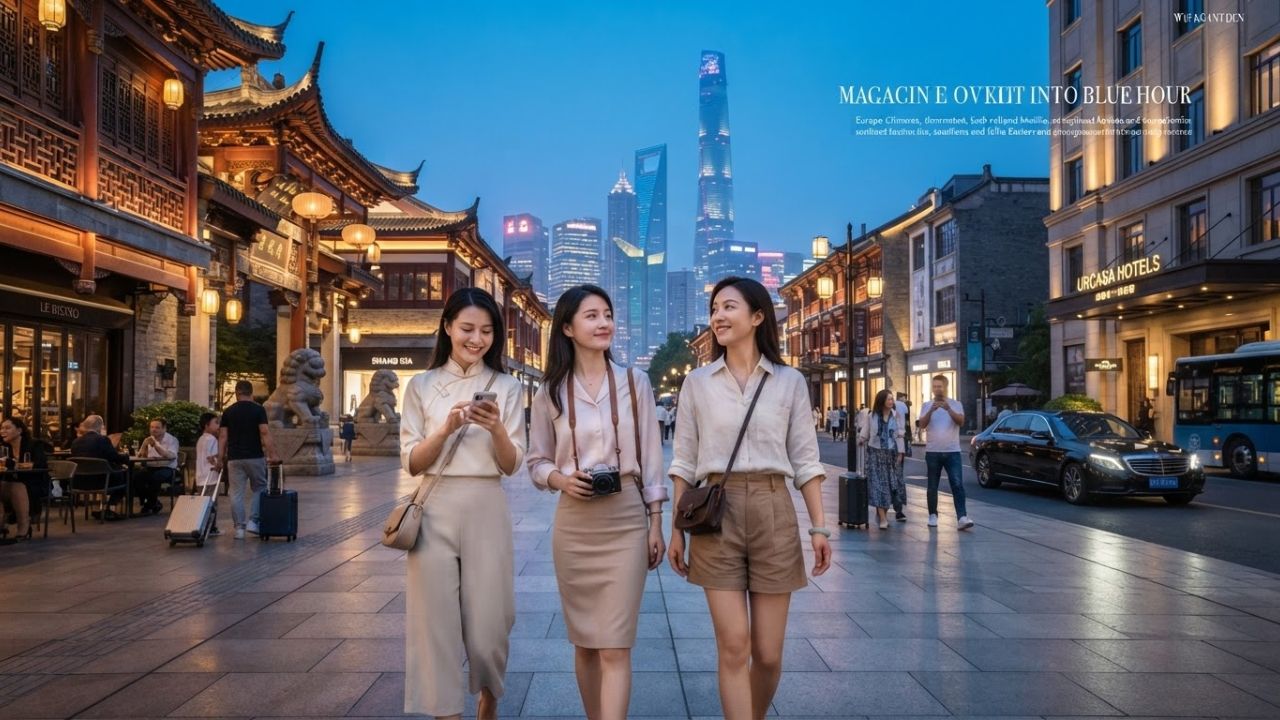
China's tourism economy generated approximately $1 trillion in 2025 and welcomed nearly 23 million foreign visitors in the first half of 2026—with more than three-quarters entering under expanding visa-free policies. As short-haul travelers from South Korea and Vietnam lead a cross-border revival, the country is pivoting from sheer visitor volume toward luxury, cultural heritage, and regional eco-exploration projected to reach $1.8 trillion by 2030.
The transition of Chinese tourism into an economic pillar reflects a deliberate restructuring of the nation's service economy. As traditional industrial drivers adjust, travel expenditure is taking center stage to stimulate consumer markets, invigorate regional towns, and deepen international connectivity.
Tourism is no longer treated merely as leisure. Instead, national economic planning led by the State Council and regional cultural bodies positions travel as a comprehensive economic engine capable of driving employment, transportation expansion, and heritage preservation across diverse provinces.
The Local Trend Revealed: Cross-Border Corridors and Visa-Free Inflows
The scale of movement across China demonstrates both massive internal momentum and a sharp rebound in global interest. During the first half of 2026, the country logged nearly 3.5 billion domestic trips. While domestic travelers continue to provide the volume base of the industry, domestic spending grew by around 2% year-on-year, pointing to disciplined personal budgets.
In contrast, international inbound travel has emerged as the highest-yielding growth corridor. Nearly 23 million foreign visitors arrived during the first six months of 2026, with over three-quarters utilizing unilateral and bilateral visa-free entry policies. Simplified border formalities have dismantled long-standing entry friction, allowing short-break leisure seekers and business professionals to book trips on short notice.
Regional proximity makes South Korea and Vietnam the twin catalysts of this inbound resurgence:
- South Korea: Backed by dense aviation links and long-standing commercial partnerships, South Korean visitors represent one of the most consistent source markets, fueling weekend city breaks, mountain trekking excursions, and cultural heritage circuits.
- Vietnam: Bolstered by upgraded border gates along Yunnan and Guangxi, as well as new direct regional flights, Vietnamese travelers are crossing into southern China in record numbers for leisure holidays and cross-border commerce.
- Southeast Asian Partners: Singapore, Malaysia, and Thailand continue to produce consistent high-value traffic thanks to reciprocal visa exemptions and direct air routes.
- Long-Haul Hubs: Japan maintains deep historical travel ties, while the United States and Australia generate extended-stay visitors who spend heavily on premium hospitality and multi-province tours.
| Economic Indicator / Metric | Observed Performance | 2030 Strategic Target |
|---|---|---|
| Annual Tourism Revenue | Approximately $1 trillion (2025) | Projected ~$1.8 trillion (2030) |
| GDP Contribution Share | Baseline service recovery | Estimated ~6.7% of national GDP |
| Domestic Trips (H1 2026) | Nearly 3.5 billion trips | Continued domestic mobility base |
| Domestic Spending Growth | +2% year-on-year (H1 2026) | Focus on higher per-trip spend |
| Foreign Inbound Arrivals | Nearly 23 million (H1 2026) | Accelerated global market share |
| Visa-Free Entry Proportion | >75% of total foreign entries | Expanded bilateral arrangements |
Transitioning from Volume to Value: Luxury and Sustainable Regional Travel
China's tourism leadership is steering away from crowded group excursions toward individual, high-value experiences. The primary hurdle facing the sector is elevating average tourist spend, encouraging international guests to venture beyond first-tier entry hubs like Shanghai, Beijing, and Guangzhou.
To capture this spending power, provincial authorities and hospitality operators are investing heavily in five premium segments:
- Luxury Eco-Resorts: Boutique mountain retreats and wellness sanctuaries integrated into tea plantations in Zhejiang, Fujian, and Yunnan.
- Slow Rail Corridors: Leveraging the world's most extensive high-speed rail grid to connect visitors to secondary cultural towns without domestic aviation emissions.
- Immersive Living Heritage: Curated access to ancient water towns, porcelain kilns in Jingdezhen, and traditional silk workshops where travelers interact directly with master artisans.
- Wellness and Traditional Medicine: Spa retreats combining traditional herbal practices, hot spring hydrotherapy, and mindful nature immersion.
- Specialized Regional Gastronomy: Destination dining tours focusing on hyper-local seasonal ingredients, wild mountain produce, and centuries-old culinary traditions.
Cultural & Environmental Value: Living Heritage and Community Conservation
For the visitor, the real impact is experiencing living heritage sites that actively support local livelihoods while implementing strict environmental protections. The China Tourism Academy and regional cultural heritage administrations have paired rising inbound volume with protective measures to avoid the pitfalls of overtourism.
Major cultural landmarks and national parks—from Mount Huangshan in Anhui to the Danxia landforms of Gansu—now employ dynamic capacity management systems. Advance reservations, timed entry slots, and all-electric park shuttle fleets ensure that fragile ecosystems and ancient stone pathways are preserved.
Simultaneously, travel spending is channelled directly into local communities. In rural Guangxi and Guizhou, minority villages that once faced youth outmigration now retain residents through community-owned guesthouses, guided river rafting, and organic agricultural cooperatives. International visitors seeking authentic interactions provide viable income streams that keep traditional woodworking, indigo textile dyeing, and Dong choral singing thriving without staged commercialization.
Visitor Insider Tips: Navigating China's New Travel Era
Travelers planning an independent journey across China should heed these practical local recommendations:
- Leverage Cashless Convenience Early: Install and set up Alipay and WeChat Pay before departure. Both apps now seamlessly link international credit cards (Visa, Mastercard) to facilitate instant QR code payments for street food, metro transit, bullet train ticketing, and hotel check-ins.
- Time Around Golden Weeks: Strictly avoid planning visits during national public holidays—specifically the National Day Golden Week (the first week of October), May Day holiday, and Lunar New Year. Instead, target late spring (April to May) or golden autumn (mid-September to early November) when weather conditions are mild and crowds at scenic areas thin out dramatically.
- Seek Secondary Historic Gems: Trade the packed stone bridges of oversubscribed water towns for quieter regional alternatives. Explore Nanxun or Tongli in Jiangsu and Zhejiang, or wander the quiet salt-merchant courtyards of Anhui's Huizhou villages for authentic architecture without massive tour groups.
- Taste Regional Sub-Cuisines: Skip hotel buffet staples and explore localized neighborhood eateries. Savor hand-pulled beef noodles in Lanzhou, clay-pot wild mushroom soups in Kunming, delicate river-shrimp dumplings in Suzhou, and aromatic tea-smoked duck in Chengdu.
- Master the High-Speed Rail Network: Use the official China Railway 12306 English platform to book high-speed trains. Bullet trains are often faster and far more punctual than domestic flights on routes under 1,000 kilometers, dropping passengers directly into downtown railway hubs.
Tourism Outlook: The Road to an Integrated Service Economy
The steady expansion of China's tourism economy highlights a structural evolution from mass transit leisure to an integrated economic ecosystem. By connecting aviation, rail transportation, hospitality, agriculture, and artisanal craftsmanship into a coherent economic chain, the sector is positioning itself as a primary stabilization force in the broader national economy.
With South Korea, Vietnam, and regional partners restoring deep cross-border passenger traffic, China is on track to unlock its $1.8 trillion tourism target by 2030. For global travelers, the convergence of streamlined entry rules, cutting-edge high-speed infrastructure, and protected cultural treasures offers an unprecedented opportunity to explore one of the world's most dynamic destinations on an entirely new level.
Related Travel Guides
Disclaimer
This article is for informational and educational purposes only. It does not constitute legal, financial, or professional advice. While we strive to provide accurate and up-to-date information, travel policies, regulations, and conditions change rapidly. Always verify information with official sources before making travel decisions. Nomad Lawyer makes no representations about the accuracy, reliability, completeness, or suitability of the information provided. Readers should consult qualified professionals for advice specific to their circumstances. The views expressed in this article are those of the author and do not necessarily reflect the views of Nomad Lawyer.
Raushan Kumar
Founder & Lead Developer
Full-stack developer with 11+ years of experience and a passionate traveller. Raushan built Nomad Lawyer from the ground up with a vision to create the best travel and law experience on the web.
Learn more about our team →