
China Operates Over One Thousand Seven Hundred Tourist Trains In First Half Of 2026 Integrating Ancient Heritage With Modern Rail
China operated 1,797 tourist trains in the first half of 2026, almost doubling routes and integrating Song Dynasty themes and live theatre into rail travel.

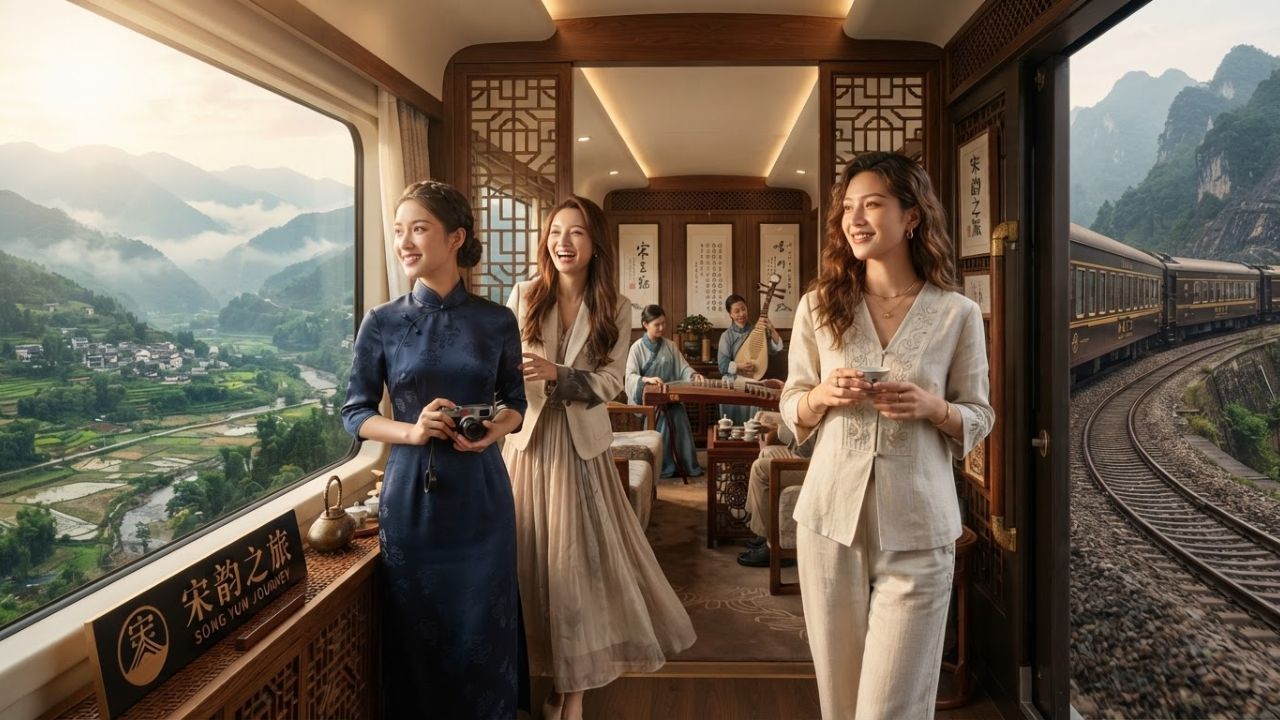
Image generated by AI
China operated 1,797 tourist trains during the first half of 2026, almost doubling the volume from the same period last year. The rail tourism boom features Song Dynasty-inspired carriage designs, live theatrical performances, and regional corridors designed to connect travelers directly to rural heritage sites.
The Local Trend Revealed
China operated 1,797 tourist trains during the first half of 2026, almost doubling the volume from the same period last year. The rail tourism boom features Song Dynasty-inspired carriage designs, live theatrical performances, and regional corridors designed to connect travelers directly to rural heritage sites. According to official data from the national railway department, this model represents a growing sector integrating transport and experiential tourism.
This shift in travel preferences highlights a demand for slow-travel alternatives. Modern travelers are moving away from rapid transit in favor of journeys that incorporate history, local craft showcases, and regional gastronomy before arriving at the destination. By converting passenger carriages into cultural spaces, China is redefining the relationship between transport and leisure travel.
Dynastic Carriage Themes: Bringing Song Dynasty Design to Modern Rail
A key highlight of the thematic train project is the integration of historical design elements into standard rolling stock.
Several trains feature interior designs inspired by the Song Dynasty, known historically for achievements in art, literature, and technology. The carriages combine traditional wooden architecture aesthetics, period-style lighting, and calligraphic art installations with modern seating and air conditioning. This allows passengers to connect with historical design features while traveling through regional scenic corridors.
Performance Carriages: Operating Live Theatres on the Tianjin Fantasy Express
The themed trains are also functioning as mobile entertainment venues, offering interactive events during the journey.
A prime example is the Tianjin Fantasy Express, which features live theatrical performances and musical acts within dedicated lounge carriages. Actors dressed in period costume perform historical plays and local folk stories, encouraging passenger participation. This transformation changes the train ride from a period of waiting into an interactive cultural experience.
Regional Connectivity: Linking Sichuan and Chongqing via the Bashu Corridor
The expansion of themed tourist trains is helping to direct traveler traffic to smaller municipal destinations outside primary urban hubs.
The Bashu Cultural Tourism Corridor train, linking cities across Sichuan and Chongqing, serves as a mobile showcase for regional culture. The train features displays highlighting regional attractions, local history, and traditional snacks. By stopping at smaller stations, the route supports local guesthouses, restaurants, and craft markets along the line.
Moving Classrooms: Exploring Chinese Heritage on the Qilu No. 1 Train
China is also utilizing tourist trains to promote history and traditional crafts to families and tour groups.
The Qilu No. 1 cultural tourism train operates as a moving museum, with carriages dedicated to regional archaeological finds and traditional papermaking or pottery demonstrations. Curators lead workshops for passengers, creating an educational environment for children and heritage enthusiasts. This model makes historical education accessible, bringing museum exhibits directly to the passenger seats.
Cultural & Environmental Value (Information Gain & Experience)
For the visitor, the real value of China’s rail tourism expansion is the support it offers for regional heritage preservation and eco-friendly travel. Choosing rail transport over domestic flights significantly reduces a traveler's carbon footprint, making it a sustainable way to explore the country's interior.
Additionally, themed trains showcase local culinary practices and traditional handicrafts, such as Sichuanese embroidery and Shandong pottery. By buying these artisanal goods directly on the train, travelers support rural craft cooperatives, ensuring that tourism spending goes directly to the communities responsible for maintaining these cultural traditions.
Visitor Insider Tips
To plan your journey on China’s themed tourist trains, keep these specialist recommendations in mind:
- Best Booking Window: Themed trains fill quickly during major national holidays. Plan your trip during the shoulder seasons of spring (April to May) and autumn (September to October) for comfortable weather and better ticket availability.
- Onboard Etiquette: In shared cultural and dining carriages, respect the quiet hours and avoid playing loud audio. If participating in interactive performances, following the cues of the actors is highly appreciated.
- Regional Dining Specialties: Try the specialty tea-pairing sets served in the Song Dynasty carriages, or sample spicy Sichuanese snacks and regional cold noodles on the Bashu Corridor train.
- Hidden Spot: Look for routes that stop at the smaller historic stations along the Sichuan-Chongqing line, where you can buy fresh local fruit and handmade bamboo crafts directly from platform vendors during short stops.
Tourism Outlook
Looking ahead, China plans to expand the "train plus tourism" model by developing new high-speed tourist routes connecting western provinces. The integration of digital reservation systems will allow international travelers to book themed train tickets and local guesthouse stays through a single app. By combining high-speed rail technology with ancient heritage, the country is establishing a modern standard for experiential rail travel.
Data Tables
Table 1: Key Themed Tourist Trains and Features
| Themed Tourist Train Name | Regional Corridor & Routing | Cultural Theme & Attraction | Educational & Entertainment Features |
|---|---|---|---|
| Tianjin Fantasy Express | Tianjin metropolitan routes | Live theatrical performances | Traditional design combined with modern technology |
| Bashu Cultural Tourism Train | Sichuan and Chongqing corridor | Regional history and local folklore | Promotes smaller towns and rural business stops |
| Qilu No. 1 Train | Shandong provincial network | Moving heritage museum | Showcases cultural treasures and traditional crafts |
| Song Dynasty Carriage Trains | Select national cultural routes | Ancient Dynasty architecture | Traditional design elements with modern rail comfort |
Table 2: First-Half Tourist Train Operations
| Reporting Timeframe (H1 Window) | Total Tourist Trains Operated | Growth Performance Status |
|---|---|---|
| First Half of 2025 | ~900 routes | Baseline reporting period |
| First Half of 2026 | 1,797 routes | Volume almost doubled year-on-year |
Key Takeaways
- Route Expansion: China operated 1,797 tourist trains in the first half of 2026, almost doubling last year's figures.
- Historical Themes: Carriages designed with Song Dynasty aesthetics allow passengers to connect with ancient art and history.
- Live Performances: The Tianjin Fantasy Express includes live theatrical plays and musical acts inside the carriages.
- Regional Support: The Bashu Corridor train connects travelers to smaller towns, supporting local businesses.
- Educational Travel: The Qilu No. 1 train functions as a mobile museum, hosting workshops on traditional crafts.
FAQ
How many tourist trains operated in China in the first half of 2026?
China operated 1,797 tourist trains during the first half of 2026, representing a near-doubling of routes compared to the same period in 2025.
What is the Tianjin Fantasy Express?
It is a themed tourist train that combines live cultural performances, traditional design, and modern technology to create an interactive experience.
How do tourist trains help smaller communities?
By routing travelers through smaller regional stations, these trains bring tourist spending to local guesthouses, restaurants, and craft markets.
What can passengers learn on the Qilu No. 1 train?
The train works as a moving museum, displaying historical artifacts and hosting workshops on traditional crafts like pottery and papermaking.
When is the best time to book tickets on these trains?
It is best to travel during the spring (April to May) and autumn (September to October) shoulder seasons to avoid peak crowds and secure tickets.
Related Travel Updates and Regional Guides
- Related: Porto Santo Complements Funchal With Luxair Luxembourg Flights, New Airport Terminal Tender and Integrated Buses to Support Sustainable Tourism
- Related: Ireland Tourism Growth Gathers Momentum as Spain, United States and Germany Drive Inbound Leisure Travel Across Five Months in 2026
- Related: Five Affordable Winter Sun Destinations Offering Competitive Travel Packages Outside of Europe for the 2026-2027 Season
Disclaimer
This article is for informational and educational purposes only. It does not constitute legal, financial, or professional advice. While we strive to provide accurate and up-to-date information, travel policies, regulations, and conditions change rapidly. Always verify information with official sources before making travel decisions. Nomad Lawyer makes no representations about the accuracy, reliability, completeness, or suitability of the information provided. Readers should consult qualified professionals for advice specific to their circumstances. The views expressed in this article are those of the author and do not necessarily reflect the views of Nomad Lawyer.
Kunal K Choudhary
Co-Founder & Contributor
A passionate traveller and tech enthusiast. Kunal contributes to the vision and growth of Nomad Lawyer, bringing fresh perspectives and driving the community forward.
Learn more about our team →