
China Launches Changjiang Qi Hao: First Methanol-Fueled Luxury Cruise Ship for Yangtze River 2026
China introduces the Changjiang Qi Hao, the first luxury river cruise ship powered by a single-fuel methanol system, signaling a shift toward sustainable high-end tourism on the Yangtze River.

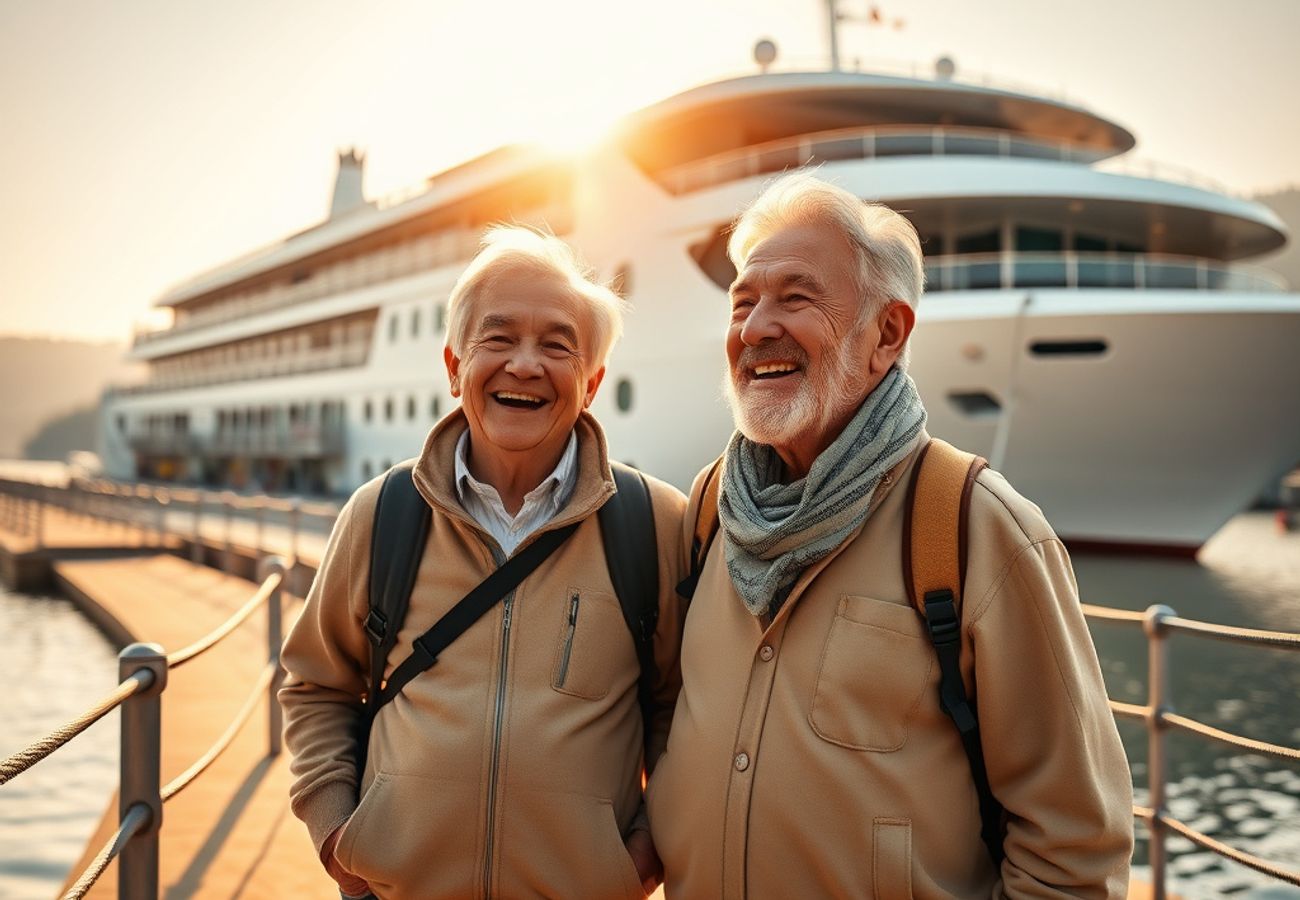
Image generated by AI
China has officially entered the methanol-powered maritime sector with the launch of the Changjiang Qi Hao, the first luxury river cruise vessel in the country to utilize methanol as its sole fuel source.
The vessel was launched on July 6, 2026, at the China Merchants Industry Haimen shipyard. This development marks a strategic pivot for the Yangtze River tourism corridor, moving away from traditional heavy marine fuels toward lower-emission propulsion systems.
The ship was engineered by the Wuhan Changjiang Ship Design Institute and constructed by the Haimen facility of China Merchants Industry Holdings. Operational control will be managed by Chongqing Changjiang Shipping, an entity under the China State Shipbuilding Corporation (CSSC) group.
Technical Specifications and Capacity
The Changjiang Qi Hao is designed for the premium market, focusing on high-capacity luxury and environmental efficiency. Following its launch, the vessel has entered the critical stages of outfitting, sea trials, and final preparations before it begins carrying passengers.
| Feature | Specification |
|---|---|
| Vessel Name | Changjiang Qi Hao |
| Propulsion System | Methanol Single-Fuel |
| Passenger Capacity | Approximately 638 passengers |
| Gross Tonnage | Around 17,000 |
| Primary Route | Yangtze River (Chongqing-centered market) |
| Launch Date | July 6, 2026 |
Logistical Impact on Yangtze River Tourism
The Yangtze River remains one of China's most vital tourism arteries, particularly the Three Gorges region. The introduction of the Changjiang Qi Hao shifts the value proposition for both domestic and international travelers.
From a logistical perspective, this move addresses two primary needs:
- Regulatory Compliance: Aligning with China's broader ambition to modernize domestic tourism infrastructure and reduce carbon footprints.
- Market Differentiation: Creating a "green luxury" tier that appeals to the growing demographic of environmentally conscious high-net-worth travelers.
For passengers, the transition to methanol reduces the atmospheric pollutants typically associated with river cruising, which is particularly relevant when navigating the ecologically sensitive landscapes of the Yangtze.
Why This Matters: Industry Analysis
Our analysis of the current maritime trend suggests that the Changjiang Qi Hao is not merely a new ship, but a proof-of-concept for inland waterway decarbonization.
For travelers on this route, the real impact is the legitimization of "sustainable luxury." Historically, luxury cruising and environmental protection were seen as contradictory. By utilizing a single-fuel methanol system, the operator is proving that 17,000-tonne vessels can maintain premium amenities while slashing traditional emissions.
From an industry standpoint, this puts pressure on other river cruise operators in Asia to accelerate their fleet renewals. Methanol is a scalable alternative; if the Changjiang Qi Hao proves operationally viable in the Chongqing market, expect a rapid rollout of similar propulsion systems across other major Chinese river basins.
Forward Outlook
The Changjiang Qi Hao is currently in the testing phase. It is not yet open for passenger bookings. Market trends suggest that the handover and final trials will be the primary focus for the remainder of the year.
Travelers should anticipate the following before the vessel enters full service:
- Operational Timelines: Official sailing schedules and itinerary announcements from Chongqing Changjiang Shipping.
- Infrastructure Growth: The development of methanol bunkering stations along the Yangtze to support the ship's unique fuel requirements.
- Pricing Shifts: Potential premium pricing for "green" cruises compared to traditional diesel-powered luxury alternatives.
The era of the heavy-fuel river cruise is ending; the transition to methanol represents the new standard for inland luxury.
Related Travel Guides
Disclaimer
This article is for informational and educational purposes only. It does not constitute legal, financial, or professional advice. While we strive to provide accurate and up-to-date information, travel policies, regulations, and conditions change rapidly. Always verify information with official sources before making travel decisions. Nomad Lawyer makes no representations about the accuracy, reliability, completeness, or suitability of the information provided. Readers should consult qualified professionals for advice specific to their circumstances. The views expressed in this article are those of the author and do not necessarily reflect the views of Nomad Lawyer.
Preeti Gunjan
Contributor & Community Manager
A passionate traveller and community builder. Preeti helps grow the Nomad Lawyer community, fostering engagement and bringing the reader experience to life.
Learn more about our team →