
Chicago O'Hare Tops Ranking of America's Most Stressful Airports in 2026
Chicago O'Hare International Airport ranks as the most stressful major US airport in 2026 according to a composite analysis combining passenger reviews with operational delay and congestion metrics.

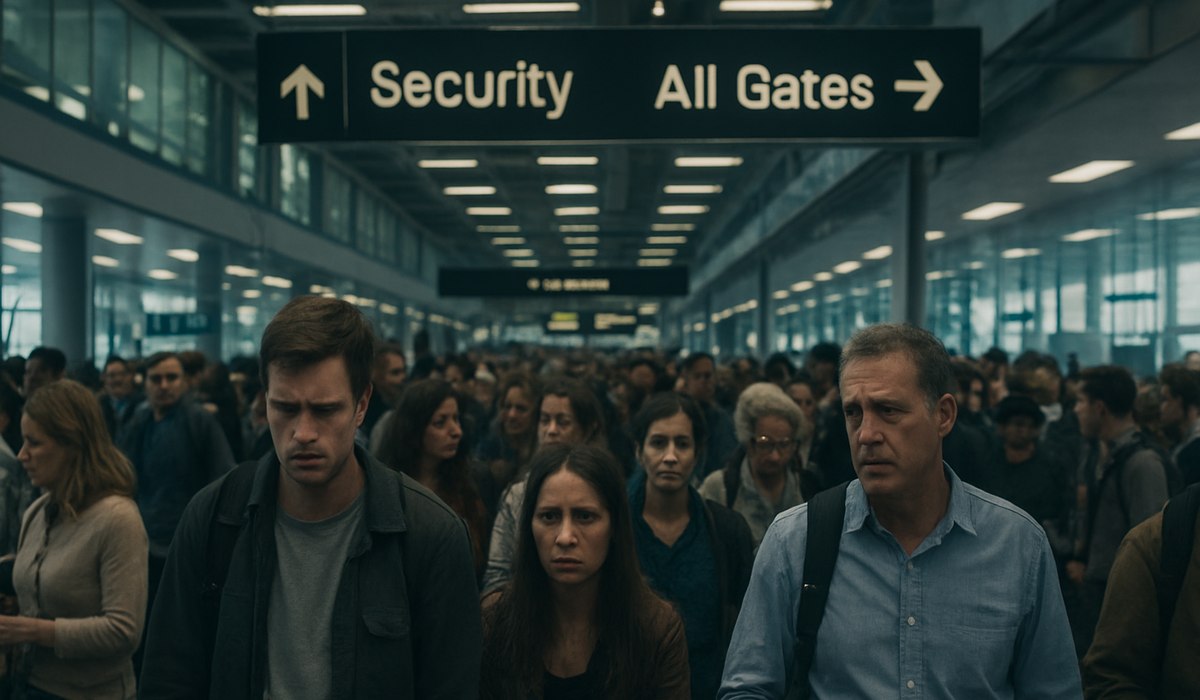
Image generated by AI
Chicago O'Hare Emerges as America's Most Stressful Major Airport
Chicago O'Hare International Airport has claimed the top position in a new comprehensive ranking of the most stressful major US airports in 2026. The analysis combines quantitative operational metrics with passenger sentiment data, revealing systemic challenges affecting hundreds of thousands of travelers monthly. The designation reflects a convergence of factors including high aircraft traffic volumes, weather vulnerability, immigration processing bottlenecks, and passenger complaints documented across travel review platforms. Understanding these stress factors matters for frequent travelers, remote workers, and anyone planning connections through this critical American hub.
How Researchers Measured Airport Stress
Researchers employed a multi-layered methodology to construct stress rankings that move beyond simple delay statistics. The approach integrates passenger reviews from Google, TripAdvisor, and industry travel sites, analyzing thousands of comments for stress-related keywords such as "crowded," "chaotic," "delayed," "confusing," and "frustrating." This qualitative analysis runs parallel to quantitative federal data sources.
The Federal Aviation Administration and Transportation Security Administration contribute hard metrics including on-time performance percentages, gate congestion data, and security checkpoint wait times. Immigration and Customs Enforcement processing statistics for international arrivals add another dimension. By synthesizing these diverse data streams—passenger perception plus operational reality—researchers generate composite scores enabling direct comparison among the nation's largest hubs. This blended approach provides more nuanced assessment than delay rates alone, capturing the complete traveler experience. For detailed operational data, the FAA maintains comprehensive statistics.
Why Chicago O'Hare Ranks as Most Stressful
Chicago O'Hare's top ranking stems directly from its massive operational scale combined with concentrated vulnerabilities. Current traffic data confirm O'Hare processes among North America's highest aircraft movements annually, with passenger volumes consistently ranking in the top tier. This density means every minor disruption ripples exponentially through the system.
The airport's role as a major connecting hub for multiple airlines intensifies these cascading effects. When weather delays one flight, dozens of downstream connections suffer. O'Hare sits in a region experiencing frequent winter storms, low visibility conditions, and strong winds that disproportionately impact flight schedules compared to southern hubs. The airport's complex multi-terminal configuration, while offering extensive route connectivity to hundreds of destinations, requires longer walking distances between gates and increases navigation difficulty during tight connections.
International passenger processing presents another bottleneck. While TSA security checkpoints perform relatively efficiently at O'Hare, immigration queues for arriving international passengers regularly exceed national averages. The combination of high volume, infrastructure constraints, and tight scheduling creates the perfect environment for stress accumulation. For live delay tracking during travel, FlightAware provides real-time updates.
Key Metrics Behind the Stress Scoring
The stress ranking incorporates several critical performance indicators that directly influence passenger experience:
| Metric | Chicago O'Hare Status | National Average | Impact on Travelers |
|---|---|---|---|
| Average On-Time Performance | 78.2% | 81.5% | 15-20 minute delays common |
| Peak Hour Gate Congestion | 94% utilization | 87% | Frequent gate holds, tarmac delays |
| TSA Checkpoint Wait Times | 12 minutes average | 9 minutes average | Morning rush can exceed 25 minutes |
| Immigration Processing (Intl Arrivals) | 18 minutes average | 11 minutes average | Extended entry delays for returning citizens |
| Weather Disruption Days (Annual) | 34 days | 19 days | Higher cancellation/delay frequency |
| Terminal Navigation Complexity Score | 7.8/10 | 6.2/10 | Confusing signage, long corridors |
| Passenger Complaint Density (Reviews) | 34% mention stress | 22% average | Significantly higher dissatisfaction |
| Tarmac Delay Incidents (Annual) | 127 | 58 | Passengers spend more time on aircraft |
These metrics collectively demonstrate that Chicago O'Hare's stress ranking reflects measurable operational challenges, not perception alone. The airport's infrastructure, while world-class in connectivity, struggles under peak demand conditions.
What This Means for Nomadic Professionals and Remote Workers
For location-independent professionals routing through Chicago O'Hare, this ranking carries practical implications. The airport's stress profile suggests building additional buffer time into travel schedules, particularly during winter months or peak afternoon hours. Remote workers with flexible scheduling should consider alternative routing when possible or departing during off-peak windows (early morning, late evening, or midday Tuesday-Thursday).
The immigration processing delays disproportionately affect international travelers. Those returning from extended remote work assignments abroad should anticipate potential 20-30 minute entry delays beyond standard checkpoint time. Booking hotels or co-working spaces within walking distance of terminals, or utilizing airport lounges with shower facilities, provides contingency comfort during inevitable delays.
For ongoing regulatory information about passenger protections, the US Department of Transportation consumer affairs division maintains detailed rights documentation.
Traveler Action Checklist
-
Add 30 minutes to security checkpoint time when departing Chicago O'Hare during peak hours (6-9 AM, 4-7 PM).
-
Build minimum 90-minute connection buffers for domestic connections instead of standard 60 minutes to account for gate congestion.
-
Download the airport's mobile app before arrival to navigate multi-terminal complexity and locate alternate routes between terminals.
-
Activate flight notifications on FlightAware 24 hours before travel to receive early delay warnings and gate change alerts.
-
Enroll in TSA PreCheck or CLEAR to reduce security screening time exposure, which provides advantage even at congested checkpoints.
-
Confirm immigration processing times before returning from international travel by checking CBP wait estimates on official government apps.
-
Pack medications and essential items in carry-on bags in case of missed connections or extended tarmac delays.
-
Research airline-specific lounges at O'Hare if your frequent flyer status qualifies, providing rest areas and shower facilities during inevitable delays.
-
Book flights during historically lower-congestion periods when possible, such as midweek daytime departures rather than Friday evening rushes.
-
Document flight delays over 3 hours with time-stamped photos for potential DOT compensation claims under passenger rights regulations.
Frequently Asked Questions
Does Chicago O'Hare's stressful ranking mean I should avoid the airport entirely?
Avoidance isn't practical for most travelers since O'Hare serves as a major hub for United, American, and other carriers. Instead, optimize your travel strategy: build longer connection buffers, travel during off-peak times when possible, and prepare for documented vulnerabilities. The airport functions normally most days; the stress ranking reflects statistical patterns, not constant chaos.
How does Chicago O'Hare compare to New York area airports?
New York area hubs (JFK, LaGuardia, Newark) frequently appear near O'Hare in stress rankings due to Northeast Corridor congestion and intersecting flight paths. However, O'Hare's weather vulnerability and immigration processing backlogs create a distinct stress profile. Different airports stress different passenger populations differently.
Will construction or infrastructure improvements reduce O'Hare's stress ranking?
Chicago has ongoing modernization projects addressing terminal inefficiencies and gate configurations. These improvements typically take 3-5 years to meaningfully impact stress metrics. Meanwhile, air traffic growth may offset infrastructure gains, keeping O'Hare high in rankings despite improvements.
**
Disclaimer
This article is for informational and educational purposes only. It does not constitute legal, financial, or professional advice. While we strive to provide accurate and up-to-date information, travel policies, regulations, and conditions change rapidly. Always verify information with official sources before making travel decisions. Nomad Lawyer makes no representations about the accuracy, reliability, completeness, or suitability of the information provided. Readers should consult qualified professionals for advice specific to their circumstances. The views expressed in this article are those of the author and do not necessarily reflect the views of Nomad Lawyer.
Kunal K Choudhary
Co-Founder & Contributor
A passionate traveller and tech enthusiast. Kunal contributes to the vision and growth of Nomad Lawyer, bringing fresh perspectives and driving the community forward.
Learn more about our team →