
Central African Republic Launches High-Value Tourism Circuit Across Bangui and Dzanga-Sangha in 2026
The Central African Republic is pivoting toward high-value, nature-based tourism with a new circuit connecting Bangui, Dzanga-Sangha, and Mbaïki to protect Congo Basin biodiversity.

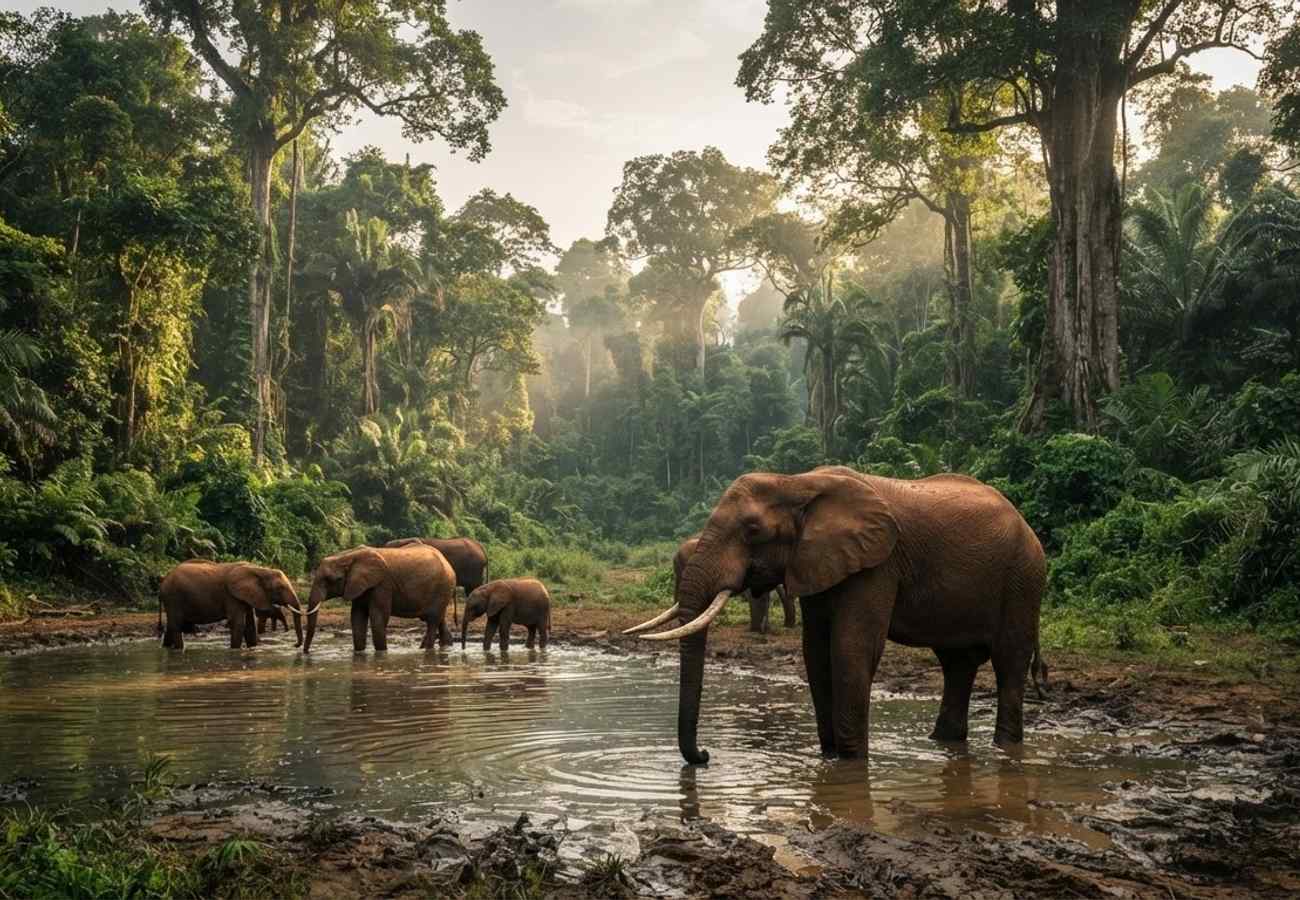
Image generated by AI
Between 40 and 100 forest elephants frequent the Dzanga Bai clearing daily, anchoring a new high-value tourism strategy designed to link Congo Basin conservation with local employment.
The Shift Toward High-Value Eco-Tourism
The Central African Republic (CAR) is moving away from traditional travel models to establish a specialized, high-value tourist circuit. This strategic pivot focuses on the Congo Basin's rare biodiversity and indigenous heritage, creating a route that extends far beyond the capital of Bangui. By integrating nature-based excursions with community-led initiatives, the region is positioning itself as a premier destination for specialist safari travelers and conservationists.
The backbone of this initiative is the Dzanga-Sangha Special Reserve. Unlike mass-market tourism, the experience here is curated for small groups, emphasizing deep immersion over rapid sightseeing. The circuit connects several key hubs: the urban and riverine experiences of Bangui, the dramatic Boali Waterfalls, the agricultural heritage of Mbaïki, and the wildlife sanctuary of Dzanga-Sangha via the gateway town of Bayanga.
Wildlife and Conservation in Dzanga-Sangha
For the visitor, the real impact of this circuit is found in the Dzanga-Sangha Special Reserve. This rainforest environment is one of the few places on earth where western lowland gorillas, forest buffalo, sitatunga, bongos, and forest elephants coexist in a protected state.
The reserve's management has prioritized "habituated" wildlife encounters. Currently, three fully habituated gorilla groups allow travelers to observe these primates in their natural habitat under the guidance of trained trackers. The focal point for megafauna is the Dzanga Bai, a forest clearing where the daily arrival of 40 to 100 forest elephants provides an unparalleled wildlife observation opportunity.
Cultural Integration and Environmental Value
This tourism model is built on a direct link between visitor spending and regional preservation. The CAR has implemented a revenue-sharing system where a portion of the fees from gorilla observations is funneled directly back into local communities.
The role of the indigenous Ba’Aka people is central to this ecosystem. Rather than being passive subjects of tourism, the Ba’Aka are employed as professional trackers and ecoguards. Their traditional knowledge of the rainforest is the primary vehicle through which visitors experience the forest, ensuring that indigenous expertise is valued and compensated. This approach supports regional heritage by providing alternative income streams, healthcare support, and sustainable employment that discourages poaching and illegal logging.
Expanding the Circuit: Beyond the Reserve
While Dzanga-Sangha is the primary draw, the 2026 circuit integrates several other regional highlights to encourage longer stays and broader economic impact:
- Bangui & The Ubangi River: The capital serves as the international entry point. The Ubangi River offers guided excursions that highlight riverside landscapes and local fishing cultures.
- Boali Waterfalls: Located northwest of the capital on the M’Bali River, these falls are a prime short-term escape. The experience is most potent during the wet season when water levels peak, creating a powerful cascade.
- Mbaïki & Lobaye: This region shifts the focus to agricultural heritage. Visitors can explore coffee and cacao cultivation, blending the rainforest experience with the country's farming traditions.
Visitor Insider Tips
Navigating the Central African Republic requires a different mindset than visiting more developed safari hubs.
- Logistics: Travel from Bangui to Bayanga is primarily handled via local aviation and specialized ground transfers. Do not attempt to book these independently; use certified specialist operators who coordinate with the reserve.
- Timing: For the most dramatic experience at Boali Waterfalls, visit during the rainy season. For wildlife in Dzanga-Sangha, ensure your itinerary allows for the patience required for gorilla tracking.
- Etiquette: When engaging with Ba’Aka trackers, remember that you are entering their ancestral lands. Respect for traditional knowledge and local customs is paramount.
- Regional Pairing: Because of the remote nature of the logistics, consider pairing a CAR visit with journeys into neighboring Cameroon or Gabon to maximize the Congo Basin experience.
Tourism Outlook
The long-term goal for the Central African Republic is to create a sustainable loop where high-spending, low-impact tourism funds the protection of the Congo Basin. By diversifying the route to include Mbaïki and Boali, the government is spreading economic benefits across different provinces, reducing the reliance on a single attraction. As the reserve continues to habituate more gorilla groups and refine its community-based model, the CAR is likely to become a critical node for global eco-tourism.
A rare frontier where conservation and community finally align.
Related Travel Guides
Disclaimer
This article is for informational and educational purposes only. It does not constitute legal, financial, or professional advice. While we strive to provide accurate and up-to-date information, travel policies, regulations, and conditions change rapidly. Always verify information with official sources before making travel decisions. Nomad Lawyer makes no representations about the accuracy, reliability, completeness, or suitability of the information provided. Readers should consult qualified professionals for advice specific to their circumstances. The views expressed in this article are those of the author and do not necessarily reflect the views of Nomad Lawyer.
Preeti Gunjan
Contributor & Community Manager
A passionate traveller and community builder. Preeti helps grow the Nomad Lawyer community, fostering engagement and bringing the reader experience to life.
Learn more about our team →