
Onboard Fee Warning: Celebrity Cruises Increases Daily Gratuities for 2026
Celebrity Cruises has raised daily automatic gratuity rates by $1.50 across all cabin types, effective July 29, 2026, increasing total onboard charges.
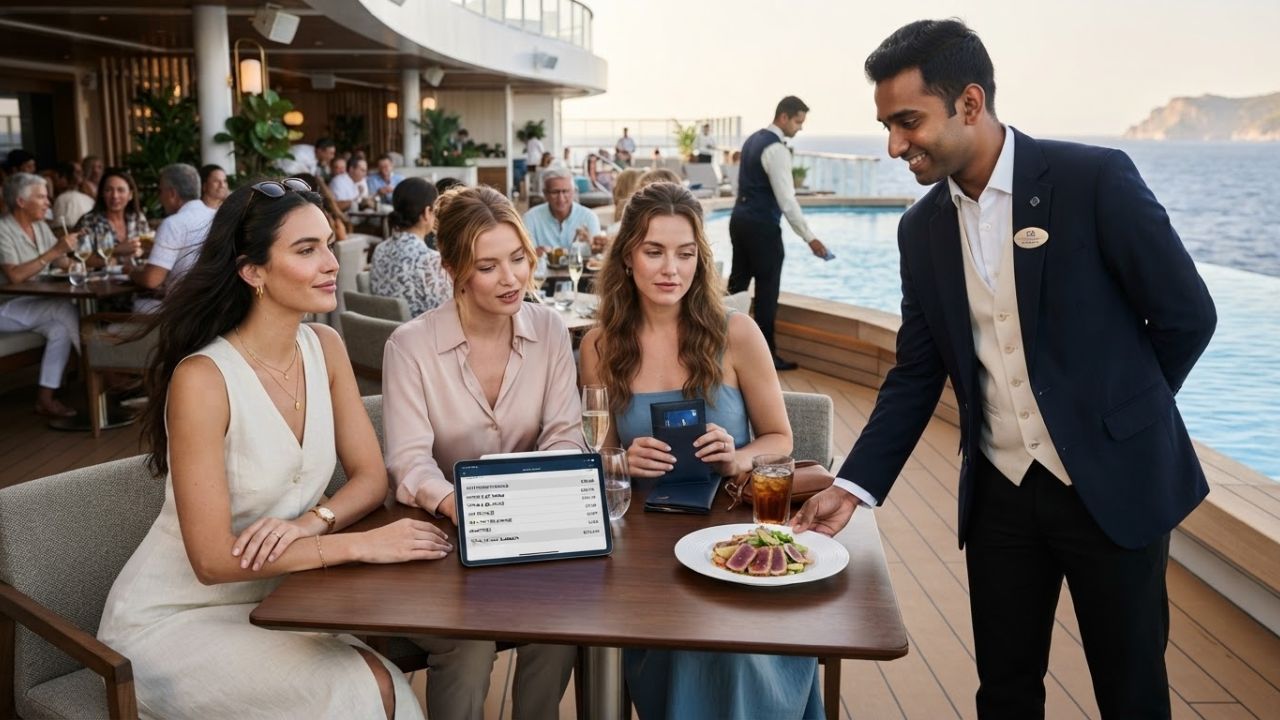
Image generated by AI
When Celebrity Cruises increased its automatic daily gratuity rates by $1.50 per guest beginning July 29, 2026, it highlighted the growing role of non-discretionary service charges in cruise budgeting. Under the new rate structure, daily onboard fees now range from $19.50 to $24.50 depending on the stateroom category, raising the final account balance for families and long-duration passengers.
The Local Trend Revealed: Automatic Billing and Cruise Pricing Shifting
The global cruise industry is experiencing a significant shift where operators are transitioning mandatory service compensation away from voluntary tipping toward automated, daily onboard billing. Rather than leaving gratuities to passenger discretion, lines automatically add fixed service fees to guest accounts, distributing these funds to housekeeping, dining, and other guest-facing and behind-the-scenes service departments. Celebrity Cruises' recent rate adjustment represents this trend, raising daily charges across all stateroom types.
The decision to implement a daily rate increase is often linked to rising labor costs and the necessity of maintaining competitive compensation packages for international maritime workers. By adjusting gratuity structures, cruise lines aim to stabilize their service workforces and ensure consistent guest satisfaction scores. However, the lack of pricing transparency in advertised base fares remains a point of criticism among consumer protection organizations, which advocate for all-inclusive pricing models.
The updated daily gratuity rates apply automatically to guest accounts:
- Inside, Ocean View, and Veranda staterooms: $19.50 per guest, per day.
- Concierge Class and AquaClass staterooms: $20.50 per guest, per day.
- The Retreat suites: $24.50 per guest, per day.
For travelers, these incremental increases can accumulate significantly, especially on multi-week itineraries or when traveling as a family or group. The shift reinforces the importance of evaluating the total cost of a cruise holiday rather than relying solely on the advertised entry fare.
Cultural Preservation and Crew Compensation Policies
For the visitor, the real impact of automatic gratuities is the role they play in supporting the international crew members who deliver the onboard experience. Cruise ship crews represent a diverse range of national and cultural backgrounds, and their compensation directly supports families and local economies in their home countries. A structured, transparent service payment system helps ensure that service staff receive consistent financial recognition for their work.
Many cruise operators are also establishing transparent reporting mechanisms to show guests exactly how their gratuities are distributed among the crew. This transparency helps build trust between passengers and the onboard teams, showing how daily service charges support the livelihoods of workers from developing nations. When travelers understand the direct impact of these fees on crew welfare, they are often more supportive of the automatic billing system.
To support local economies during shore excursions, passengers can balance their onboard spending by choosing independent local guides, dining at community-owned restaurants, and purchasing crafts directly from local artisans. This direct spending bypasses cruise line commissions, ensuring that host communities benefit directly from cruise tourism.
Environmental Responsibility and Onboard Resource Management
The increase in daily onboard costs also coincides with broader cruise industry initiatives to manage resources sustainably and reduce environmental footprints. The Cruise Lines International Association is coordinating fleetwide efforts to minimize single-use plastics, implement advanced wastewater treatment systems, and reduce fuel consumption through itinerary optimization.
Onboard, passengers can support these conservation goals by adopting eco-friendly cabin habits. Simple actions like reusing towels, turning off lights when leaving staterooms, and managing water use help reduce the energy required to operate large hotel operations at sea. These environmental choices help balance the high operational costs of cruise travel while protecting the marine ecosystems the ships traverse.
Furthermore, cruise lines are adopting advanced purification systems that treat ballast and gray water before discharging it back into the sea, minimizing the release of harmful biological contaminants. Many operators have also banned single-use plastic bottles, cups, and straws across their fleets, replacing them with reusable metal and paper alternatives. These conservation choices help reduce the quantity of non-biodegradable waste generated during voyages, protecting coastal environments and wildlife. By combining staff development with eco-friendly resource management policies, cruise lines aim to demonstrate how modern travel can reduce its environmental impact while maintaining high hospitality standards.
Celebrity Cruises Guide: Onboard Budgeting and Fee Management
For travelers planning a cruise and looking to manage their onboard account balances, cruise specialists suggest the following tips:
- Optimal Booking Windows: Look for booking promotions that include pre-paid gratuities or onboard credits to offset daily service charges before departure.
- Pre-Pay Gratuities: Pre-pay your daily service fees at the time of booking to avoid receiving a large final statement on the last day of the voyage.
- Review Package Inclusions: Compare "all-included" package options with standard cruise fares, calculating whether drink packages, Wi-Fi, and pre-paid gratuities offer better value.
- Support Local Businesses: Allocate a portion of your holiday budget for spending in port cities, purchasing souvenirs and food from local, independent merchants.
- Track Onboard Spending: Monitor your guest account daily through the cruise line's mobile application to keep track of discretionary spending and automatic service fees. Onboard credit programs, which are often provided as booking incentives or loyalty rewards, serve as a valuable tool for managing automatic service charges during your cruise. Guests can apply these credits to cover their daily gratuities, specialty dining fees, or excursion costs, reducing the final amount billed to their personal credit cards at the end of the voyage. Travelers are advised to confirm the balance and expiration of their onboard credits upon boarding, ensuring they are utilized effectively to offset mandatory daily charges.
- The Ryukyu Archipelago Geography: The Ryukyu Islands, an archipelago stretching from southwestern Japan toward Taiwan, are historic for their role in the development of Western civilization. Divided into clusters such as the Amami, Okinawa, and Sakishima islands, these islands are characterized by their volcanic soils, whitewashed architecture, and dry Mediterranean climate. Travelers must stay informed about local wind conditions, known as the seasonal winds, which blow from the north during winter and can impact marine transit.
- Under-the-Radar Quiet Zones: Seek out the quieter lounge decks, libraries, and adult-only solariums, which offer a peaceful environment for relaxation away from the main entertainment hubs.
- Off-Peak Road Navigation: Avoid driving rental cars on coastal highways during storm surge warnings, as high waves can overflow onto roads and create life-threatening hazards.
Long-Term Outlook for Transparent Hospitality Pricing
The increase in Celebrity Cruises' daily gratuities highlights the growing focus on transparency and value in the modern travel sector. By demonstrating that travelers look beyond base fares to evaluate total vacation costs, pricing adjustments are driving cruise lines to clarify their onboard billing policies. By encouraging operators to clarify fee allocations and passenger benefits, travel planners can help consumers make informed booking choices. This transparency is key to maintaining the industry's long-term reputation.
Over the coming decade, continued investments in digital check-in systems, smart cabin automation, and sustainable shipboard power will shape the cruise travel market. As operational and regulatory costs continue to rise, operators and passenger advocacy groups must establish clear communication channels regarding mandatory fees. By maintaining high service standards, supporting crew welfare, and promoting sustainable travel habits, cruise lines aim to preserve passenger confidence and deliver high-value experiences for global travelers.
Disclaimer
This article is for informational and educational purposes only. It does not constitute legal, financial, or professional advice. While we strive to provide accurate and up-to-date information, travel policies, regulations, and conditions change rapidly. Always verify information with official sources before making travel decisions. Nomad Lawyer makes no representations about the accuracy, reliability, completeness, or suitability of the information provided. Readers should consult qualified professionals for advice specific to their circumstances. The views expressed in this article are those of the author and do not necessarily reflect the views of Nomad Lawyer.