Cayman Islands Considers New Electronic Travel Authorisation in Major Border Overhaul


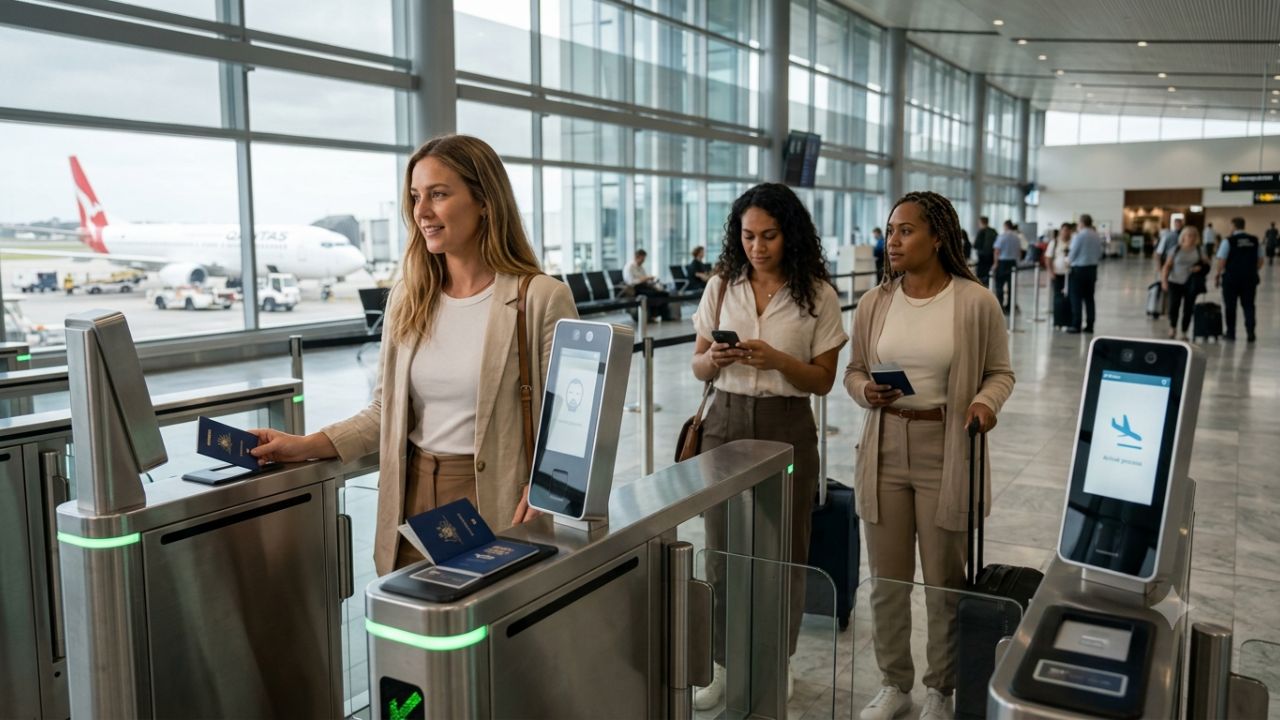
The Cayman Islands government is evaluating the introduction of a universal Electronic Travel Authorisation (ETA) alongside automated biometric immigration eGates as part of a comprehensive modernization of its national border architecture. Disclosed following high-level bilateral technical consultations between a Caymanian delegation led by Minister for District Administration and Home Affairs Nickolas DaCosta and senior officials from the UK Home Office and UK Border Force, the proposed digital framework aims to transition the British Overseas Territory from physical on-arrival document inspection to intelligence-led, pre-departure passenger screening.
The strategic initiative represents a fundamental evolution beyond the Automated Border Control (ABC) kiosks currently deployed at Owen Roberts International Airport (ORIA) on Grand Cayman. While the existing terminal kiosks facilitate partial self-service for eligible citizens, residents, and short-stay visitors holding passports from Canada, the United Kingdom, and the United States, they remain localized on-arrival processing terminals requiring manual validation by Customs and Border Control (CBC) officers. In contrast, an integrated ETA framework would require visa-exempt international travelers to submit biometric and biographical data online for risk assessment prior to boarding inbound aircraft or maritime vessels, mirroring border digitization systems implemented by the United States, Canada, Australia, and the United Kingdom.
Although the government has emphasized that no formal legislation has yet been enacted and that entry fees, eligible nationalities, and launch timelines remain under active review, the policy shift carries far-reaching operational implications for the Caribbean territory's air carriers, international hospitality sector, and multi-million-passenger cruise tourism economy.
| Strategic Dimension | Existing Border Framework (Owen Roberts Intl) | Proposed Future Border Architecture | Operational & Traveler Impact |
|---|---|---|---|
| Pre-Departure Screening | None for visa-exempt travelers (carrier API only) | Mandatory Electronic Travel Authorisation (ETA) | Pre-boarding risk assessment and digital vetting |
| Airport Border Technology | 1st-Generation Automated Border Control (ABC) kiosks | Automated biometric eGates with facial recognition | Accelerated passenger throughput without manual queues |
| Eligible Passport Nationalities | Cayman Islands, United States, United Kingdom, Canada | Universal application for all visa-exempt foreign visitors | Standardized digital clearance across global origin markets |
| Customs & Border Control Role | 100% physical interaction with CBC officers | Officer intervention focused on secondary referrals | Optimization of border force resources on high-risk cases |
| Resident Processing | Shared arrival channels with foreign visitors | Dedicated, expedited fast-track lanes for Caymanians | Priority repatriation and automated citizen clearance |
| Cruise Passenger Scope | Manifest clearance via maritime port agents | Long-term digital integration for maritime arrivals | Phased rollout prioritizing aviation before cruise ports |
| Legislative Status | Immigration (Transition) Act & CBC Regulations | Legislative amendments required through Parliament | Public consultation, policy definition, and fee structures |
| Consumer Safeguard Advisory | Standard official government portals | Warning against fraudulent, unofficial third-party sites | Travelers cautioned that no ETA is currently required |
High-Level Bilateral Talks: The London Technical Mission
The groundwork for the proposed border transformation was established during a formal ministerial delegation to London in November 2026. Led by Minister Nickolas DaCosta, representatives from the Ministry of District Administration and Home Affairs and the Customs and Border Control Service conducted intensive working sessions with the UK Home Office, Border Force leadership, and British biometrics technology advisors.
The bilateral discussions focused on four core pillars of contemporary border management:
- Intelligent Border Architectures: Evaluating cloud-based data processing engines capable of cross-referencing inbound passenger manifests against international security databases, Interpol red notices, and national immigration watchlists in real time.
- Contactless Passenger Journey: Analyzing high-throughput facial recognition corridors that allow pre-vetted passengers to transit immigration checkpoints without physically presenting paper passports or boarding passes to border agents.
- Biometric Enrollment and Matching: Examining remote biometric capture standards, including smartphone-based chip reading (NFC) and liveness detection algorithms capable of verifying identity during online application submission.
- Targeted Enforcement Allocation: Structuring border operations so that routine, low-risk vacationers are processed automatically, enabling trained intelligence and narcotics officers to focus investigations on complex contraband, illegal migration, and financial crime vectors.
Cayman Islands Border Transformation Bilateral Architecture:
┌─────────────────────────────────────────────────────────────┐
│    Ministry of District Administration & Home Affairs (CI)  │
│        - Minister Nickolas DaCosta & Technical Team         │
└──────────────────────────────┬──────────────────────────────┘
                               │ Strategic & Technical Bilateral
                               ▼
┌─────────────────────────────────────────────────────────────┐
│          UK Home Office & UK Border Force Technical Base    │
│  - Intelligent Border Data Sharing  - Contactless eGates    │
│  - Remote Biometrics Standards      - UK ETA Case Studies   │
└──────────────────────────────┬──────────────────────────────┘
                               │
               ┌───────────────┴───────────────┐
               ▼                               ▼
┌──────────────────────────────┐ ┌────────────────────────────┐
│ Phase 1: Airport Integration │ │ Phase 2: Maritime & Cruise │
│ - Owen Roberts Intl (ORIA)   │ │ - George Town Port Terminal│
│ - Advance Pre-Boarding ETA   │ │ - Passenger Manifest Feeds │
│ - Biometric eGate Hardware   │ │ - Shore Excursion Screening│
└──────────────────────────────┘ └────────────────────────────┘
The UK visit provided Caymanian authorities with direct insights from the phased rollout of the United Kingdom's own Electronic Travel Authorisation scheme. However, Minister DaCosta noted that while the UK framework offers valuable architectural templates, any system implemented in the Cayman Islands must be carefully customized to reflect the territory's small geographic footprint, heavy economic dependence on North American leisure travelers, and distinct maritime border realities.
The Technological Leap: From ABC Kiosks to Full-Scale Pre-Travel ETA
To appreciate the scale of the proposed border overhaul, one must contrast the existing terminal technology at Owen Roberts International Airport with the functionality of an integrated ETA and eGate ecosystem.
The Limitations of Current ABC Kiosks
In 2019, the Cayman Islands introduced Automated Border Control (ABC) kiosks at ORIA as part of a terminal expansion project. The kiosks were designed to alleviate congestion in the arrivals hall during peak holiday arrival banks:
- Eligibility Boundaries: Use of the kiosks is strictly voluntary and restricted to Caymanians, their qualifying spouses and children, permanent residents, and leisure visitors staying fewer than 30 days who hold valid passports from the Cayman Islands, the United States, the United Kingdom, or Canada.
- Terminal-Bound Workflow: The traveler approaches a kiosk upon deplaning, scans their physical passport, looks into an optical camera for photographic capture, and answers standard customs and health declarations via a touch screen.
- Printed Paper Receipt: Upon completion, the kiosk prints a thermal paper receipt bearing the traveler’s photo and declaration summary.
- Mandatory Officer Interaction: The passenger must then take this receipt and join a physical queue to present it, along with their passport, to a uniformed Customs and Border Control officer. The officer conducts the final examination, stamps or validates the entry, and makes the legal admission determination.
While the ABC kiosks accelerated document scanning, they represent a half-measure: they do not prevent inadmissible travelers from boarding aircraft overseas, nor do they eliminate the bottleneck of manual officer inspection in the terminal.
Existing Arrival Process (Airport-Bound ABC Kiosk):
[Flight Departure] ──> [Arrival at ORIA] ──> [Self-Service Kiosk] ──> [Thermal Receipt] ──> [CBC Officer Queue]
- No Pre-Screening     - Physical Travel     - Passport & Photo      - Paper Slip        - Manual Passport Check

Proposed Digital ETA Architecture (Advance Intelligence):
[Online Application] ──> [Automated Risk Vetting] ──> [Digital ETA Issued] ──> [Airline Boarding API]
- Biometrics & Data      - Real-Time Database Checks   - Linked to Passport     - Boarding Authorization
       │
       ▼
[Arrival at ORIA] ──> [Biometric Facial eGate] ──> [Immediate Baggage Hall Entry]
- Automated Clearance - Sub-15 Second Transit      - Zero Paper or Physical Stamping
The Architecture of an Electronic Travel Authorisation (ETA)
An Electronic Travel Authorisation represents a paradigm shift from terminal-based inspection to pre-departure border defense:
- Pre-Boarding Security Vetting: Under an ETA, a foreign national planning a vacation to Grand Cayman, Cayman Brac, or Little Cayman would submit an online application days or weeks before travel. The applicant provides biographical details, passport information, contact coordinates, travel history, and responses to security and criminal inadmissibility questions.
- Automated Algorithmic Clearance: Advanced algorithms cross-reference the applicant's data against international law enforcement feeds and local watchlists. For the overwhelming majority of legitimate vacationers, approval is granted electronically within minutes.
- Carrier Advance Passenger Information (API) Integration: The approved ETA is electronically linked to the traveler's passport number. When the traveler checks in for their flight in Miami, New York, London, or Toronto, the airline's departure control system queries the Cayman CBC database. If no valid ETA or visa is linked, the system automatically prevents the issuance of a boarding pass.
- Facial Recognition eGates: Upon touching down at ORIA, travelers who hold an approved ETA and biometric e-passport can bypass traditional immigration desks entirely, walking through automated eGates that verify their identity via facial recognition in under fifteen seconds.
Global Context: Aligning with International Digital Border Standards
The Cayman Islands' exploration of an ETA aligns with a decisive global trend toward automated, intelligence-driven border management. Over the past two decades, sovereign nations and international travel hubs have increasingly eliminated paper landing cards and on-arrival processing in favor of advance digital vetting.
Comparative Global Electronic Travel Systems:
- United States:      ESTA (Electronic System for Travel Authorization) - Operational since 2008
- Canada:             eTA (Electronic Travel Authorization)             - Operational since 2016
- Australia:          ETA / eVisitor System                             - Operational pioneer
- United Kingdom:     UK ETA Scheme                                     - Multi-phase rollout 2024–2026
- European Union:     ETIAS (European Travel Information & Auth System) - Implemented across Schengen
- Cayman Islands:     Proposed CI-ETA                                   - Evaluated for 2027+ Deployment
The Constitutional and Legal Independence of the Cayman Islands
A common misconception among international travelers is that because the Cayman Islands is a British Overseas Territory, immigration policies established by the United Kingdom automatically govern the territory.
In constitutional law, this assumption is incorrect. Under the Cayman Islands Constitution Order 2009, the territory exercises domestic self-governance over its internal affairs, including immigration, labor market access, customs enforcement, and visitor entry requirements. While the British Crown retains responsibility for external defense, foreign relations, and internal security via the appointed Governor, visitor entry conditions are established strictly by the Cayman Islands Parliament through domestic statutes, primarily the Immigration (Transition) Act and subsidiary Customs and Border Control regulations.
Consequently:
- The United Kingdom's newly implemented UK ETA does not grant entry to the Cayman Islands.
- An ETA established by the Cayman Islands will operate under distinct eligibility criteria, fee schedules, and security considerations tailored exclusively to the territory.
- British citizens themselves do not possess an automatic constitutional right of abode in the Cayman Islands; like American or Canadian citizens, British passport holders entering the territory are subject to local immigration control and would fall under the scope of any future Cayman ETA framework unless specifically exempted by domestic statute.
The Tourism Equation: Safeguarding Airline and Cruise Arrivals
The implementation of any pre-travel authorization must be carefully calibrated against the economic lifeblood of the Cayman Islands: international leisure tourism. Tourism accounts for an estimated 30 percent of the territory's gross domestic product and generates tens of thousands of jobs across hospitality, water sports, dining, and luxury retail.
Inbound tourism to the Cayman Islands is characterized by two distinct structural flows: high-spending airborne stayover visitors and high-volume maritime cruise ship passengers.
Inbound Visitor Distribution Architecture (Grand Cayman):
┌─────────────────────────────────────────────────────────────┐
│                 Total Cayman Islands Inbound Traffic        │
└──────────────────────────────┬──────────────────────────────┘
                               │
               ┌───────────────┴───────────────┐
               ▼                               ▼
┌──────────────────────────────┐ ┌────────────────────────────┐
│ Stayover Air Travelers       │ │ Cruise Ship Passenger Flow │
│ - Owen Roberts Intl (ORIA)   │ │ - George Town Anchorage    │
│ - Average Stay: 5.8 Nights   │ │ - Average Stay: 4–8 Hours  │
│ - High Spend Per Diems       │ │ - Tendering Operations     │
│ - Priority Phase 1 ETA Focus │ │ - Complex Maritime Manifest│
└──────────────────────────────┘ └────────────────────────────┘
Air Stayover Visitors: The Primary Beneficiaries
Stayover visitors arriving by air at Owen Roberts International Airport represent the most economically valuable segment of the tourism sector. Sourced primarily from the United States (representing over 80 percent of all air arrivals), Canada, and the United Kingdom, these visitors spend heavily on five-star resorts along Seven Mile Beach, private villa rentals, fine dining in Camana Bay, and diving excursions across the North Sound.
For air travelers, a well-engineered ETA system paired with automated eGates offers substantial advantages:
- Elimination of Arrival Congestion: ORIA experiences severe terminal congestion during Saturday and Sunday peak arrival banks (between 11:30 AM and 3:30 PM), when widebody and narrowbody flights from Charlotte, Atlanta, Miami, Houston, and London arrive within minutes of each other. Automated eGates can process 500 passengers in the time a traditional five-officer desk bank processes 150, drastically reducing tarmac-to-beach transit times.
- Predictable Travel Planning: Legitimate travelers gain confirmation of their admissibility before departing their home airports, eliminating the anxiety of potential border refusals upon arrival.
The Cruise Passenger Dilemma: Complex Maritime Realities
The potential extension of an ETA to the cruise sector presents complex operational challenges. The Cayman Islands is one of the premier cruise destinations in the Western Caribbean, welcoming hundreds of port calls annually from major operators including Carnival Cruise Line, Royal Caribbean International, Celebrity Cruises, and Norwegian Cruise Line.
However, Grand Cayman operates as a tender port: mega-ships anchor offshore in George Town Harbor, and passengers are shuttled ashore via specialized tender vessels.
- High-Volume Manifest Processing: A single cruise ship can carry between 3,000 and 6,000 passengers who disembark within a compressed two-hour window for shore excursions.
- Pre-Screening Feasibility: Requiring thousands of cruise passengers—who may visit four or five Caribbean ports in a single week—to complete individual online ETAs and pay separate administrative fees could discourage cruise lines from including George Town on standard itineraries, prompting them to divert vessels to competing destinations such as Cozumel, Roatan, or private islands in the Bahamas.
- Government Phasing Strategy: In its official policy disclosure, the Ministry of District Administration and Home Affairs confirmed that its immediate implementation focus is restricted to international aviation at Owen Roberts International Airport. Maritime operations, tender passenger screening, and cargo processing will be addressed in a subsequent phase following comprehensive consultation with cruise industry stakeholders.
Benefits for Caymanians: Dedicated Border Access and Modernized Repatriation
While international tourism drives the economic narrative, Minister DaCosta explicitly stated that a foundational objective of the border modernization program is enhancing services for Caymanian citizens and legal permanent residents.
For traveling Caymanians, the current arrival experience at ORIA can be frustrating. During peak tourism seasons, returning citizens and residents frequently find themselves caught in shared arrival queues or facing delays due to kiosk receipt verifications alongside thousands of arriving foreign vacationers.
Proposed Future Arrival Segregation at Owen Roberts International Airport:
┌─────────────────────────────────────────────────────────────┐
│                       Inbound Aircraft Deplaning            │
└──────────────────────────────┬──────────────────────────────┘
                               │
               ┌───────────────┴───────────────┐
               ▼                               ▼
┌──────────────────────────────┐ ┌────────────────────────────┐
│ DEDICATED CAYMANIAN LANES    │ │ INTERNATIONAL VISITOR FLOW │
│ - Biometric Citizen eGates   │ │ - Automated Visitor eGates │
│ - Instant Passport Match     │ │ - Real-Time ETA Clearance  │
│ - Zero Queue Bottlenecks     │ │ - Exception Referral Desks │
│ - Expedited Family Transit   │ │ - Targeted Customs Routing │
└──────────────────────────────┘ └────────────────────────────┘
The future architectural design incorporates dedicated citizen channels equipped with advanced biometrics:
- Dedicated Citizen eGates: Caymanian passport holders will have access to segregated, priority lanes that verify citizenship and legal right of abode in seconds, allowing returning residents to clear immigration almost instantly upon entering the terminal.
- Family Facilitation Protocols: Advanced passenger gate technology will allow Caymanian parents traveling with minor children to navigate automated or semi-automated family corridors, eliminating lengthy manual processing.
- Consular and Digital Identity Integration: The border platform will link directly with the territory's civil registry and passport offices, ensuring that newly issued biometric Caymanian passports and status stamps are automatically recognized across the digital border network.
Critical Policy Decisions Ahead: Fees, Eligibility, and Implementation
Because the Cayman Islands government has made clear that an ETA is under active evaluation rather than codified in statutory law, legislative and administrative hurdles must be resolved before any deployment date is scheduled.
Unresolved Policy Questions
The Ministry of District Administration and Home Affairs, in collaboration with the Customs and Border Control Service, must establish regulatory clarity across several key operational areas:
Regulatory Decision Matrix for Cayman Islands ETA:
┌─────────────────────────────────────────────────────────────┐
│ 1. FEE STRUCTURE: Free of Charge vs Cost-Recovery Fee       │
│    - Global comps: US ESTA ($21), UK ETA (£10), EU (€7)     │
│    - Revenue allocation: Technology upkeep vs Tourism impact│
├─────────────────────────────────────────────────────────────┤
│ 2. VALIDITY DURATION: Multi-Year vs Single-Entry            │
│    - Recommended benchmark: 2-year validity or passport end│
│    - Multi-entry flexibility for frequent seasonal visitors │
├─────────────────────────────────────────────────────────────┤
│ 3. NATIONALITY SCOPE: Reciprocal Visa-Exempt Alignments     │
│    - Inclusion of US, Canadian, UK, and EU passport holders │
│    - Harmonization with existing visa-waiver treaties       │
├─────────────────────────────────────────────────────────────┤
│ 4. CRUISE INCLUSION: Land Excursions vs Maritime Blanket    │
│    - Direct manifest data integration via port authorities  │
│    - Exemption frameworks for short-stay tender passengers  │
└─────────────────────────────────────────────────────────────┘
- Application Cost and Revenue Allocation: Will the Cayman ETA carry a processing fee? While international counterparts charge fees to cover digital infrastructure and border staffing—the US ESTA costs US$21, the UK ETA costs £10, and the forthcoming European ETIAS is set at €7—imposing a fee could introduce friction for price-sensitive vacationers. If a fee is introduced, industry leaders recommend that revenues be legally ring-fenced to fund airport infrastructure modernization and environmental conservation.
- Validity Period and Multiple Entries: International best practice dictates that an ETA should remain valid for two to three years, or until the applicant’s passport expires, permitting multiple entries during that window. A single-entry authorization would impose administrative burdens on frequent winter visitors and luxury second-home owners in Grand Cayman.
- Turnaround Times and Emergency Waivers: The processing architecture must support rapid turnaround times. While standard applications should be approved within an hour, the system must accommodate last-minute business travelers, private jet arrivals, and emergency compassionate visits through instant automated approvals.
- Data Privacy and Cyber Security Safeguards: Given the strict data protection frameworks established under the Cayman Islands Data Protection Act (DPA), personal biographic and biometric data collected through an ETA portal must be secured with high-grade encryption, with strict limitations governing data sharing with foreign intelligence agencies.
Consumer Advisory: Guarding Against Scam Websites and Unofficial Portals
Whenever a popular international destination announces plans for an Electronic Travel Authorisation, fraudulent digital actors immediately attempt to exploit consumer confusion. Following the announcement by the Cayman Islands government, cybersecurity experts and tourism authorities issued strong advisories to the traveling public.
OFFICIAL BORDER ADVISORY FOR TRAVELERS:
┌─────────────────────────────────────────────────────────────┐
│ STATUS: PROPOSED & UNDER EVALUATION - NOT IN LEGAL EFFECT    │
│                                                             │
│ 1. NO ETA IS CURRENTLY REQUIRED TO ENTER THE CAYMAN ISLANDS │
│ 2. NO OFFICIAL ETA APPLICATION WEBSITE CURRENTLY EXISTS     │
│ 3. DO NOT SUBMIT PASSPORT DATA TO THIRD-PARTY WEBSITES      │
│ 4. EXISTING VISA AND ENTRY REGULATIONS REMAIN IN FULL FORCE │
└─────────────────────────────────────────────────────────────┘
Travelers planning trips to Grand Cayman, Cayman Brac, or Little Cayman in 2026 and 2027 must keep the following safeguards in mind:
- No Active ETA Requirement: There is currently no requirement to apply for an ETA before traveling to the Cayman Islands. Any website claiming to issue a "Cayman Islands ETA" or demanding payment for travel authorization is fraudulent.
- Official Government Channels Only: When and if the Cayman Islands government formally enacts and launches an ETA program, it will be hosted exclusively on an official .gov.ky domain managed by the Customs and Border Control Service.
- Existing Rules Apply: Current entry conditions remain unchanged. Eligible visitors from visa-exempt countries (including the US, Canada, the UK, and EU member states) require only a valid passport, an unexpired return ticket, and completion of standard arrival declarations. Travelers from visa-required nations must continue to apply for standard visitor visas through official Caymanian or British diplomatic missions.
Strategic Outlook: The Digital Future of Caribbean Travel
The Cayman Islands' proactive evaluation of an Electronic Travel Authorisation represents a natural step in the evolution of modern border governance. In an era defined by geopolitical complexity, international security imperatives, and expanding global travel volumes, relying on physical paper forms and manual passport stamps is becoming obsolete.
By consulting directly with the UK Home Office and Border Force, the Cayman Islands is leveraging international technical expertise while safeguarding its distinct economic identity as a premier luxury destination. If carefully designed and executed—with transparent communication, intuitive mobile application interfaces, reasonable fees, and sensible exemptions for maritime cruise traffic—an integrated ETA and eGate system will not deter international visitors. Instead, it will transform the arrival experience at Owen Roberts International Airport, replacing congested immigration halls with modern, automated, and secure transit.
The transition from physical checkpoint inspection to advance border intelligence reflects a territory confident in its global standing, committed to national security, and dedicated to delivering a world-class welcome to legitimate travelers from around the world.
Frequently Asked Questions
Has the Cayman Islands officially launched an Electronic Travel Authorisation (ETA)?
No. The Cayman Islands government is currently evaluating the introduction of an ETA as part of a comprehensive border modernization review. No legislation has been enacted, and no official launch date, fee structure, or application portal has been established.
Why is the Cayman Islands considering an ETA?
Following high-level technical meetings with the UK Home Office and Border Force in November 2026, the government is seeking to enhance national border security, pre-screen inbound travelers before flight departure, and introduce automated biometric eGates at Owen Roberts International Airport to reduce arrival queues.
How does the proposed ETA differ from the existing airport kiosks at Owen Roberts International Airport?
The current Automated Border Control (ABC) kiosks are arrival terminals located inside the airport that allow certain travelers to scan their passports and print a paper slip before speaking with a border officer. An ETA is a pre-departure digital vetting system completed online before traveling, allowing authorities to assess passenger risk and authorize flight boarding in advance.
Does the United Kingdom's ETA automatically apply to the Cayman Islands?
No. Although the Cayman Islands is a British Overseas Territory, it is internally self-governing in immigration and border affairs. The territory operates its own legal framework under the Immigration (Transition) Act. Any Cayman Islands ETA will be completely separate from the UK's domestic ETA scheme.
Will American, Canadian, and British citizens need an ETA to visit the Cayman Islands?
Under the proposed framework, an ETA would apply to travelers who currently enter the Cayman Islands without a visa, which includes passport holders from the United States, Canada, the United Kingdom, and European Union countries. However, final eligibility lists and exemptions will only be established when formal regulations are drafted.
Will cruise ship passengers visiting Grand Cayman need an ETA?
The Cayman Islands government has confirmed that its immediate implementation priority is air arrivals at Owen Roberts International Airport. The potential application of digital authorizations to cruise passengers and maritime arrivals will be considered in a subsequent phase following consultations with cruise operators.
How much will the Cayman Islands ETA cost?
The government has not determined whether a fee will be charged or what the price would be. International benchmarks include the US ESTA (US$21), the UK ETA (£10), and the EU ETIAS (€7). Any fee structure for the Cayman Islands would be established through legislative action.
What are the benefits of the proposed border overhaul for Caymanian citizens?
The modernization plan includes dedicated, expedited arrival channels and biometric eGates exclusively for Caymanians and permanent residents, allowing them to clear border controls rapidly without waiting in general visitor queues.
What should travelers do if they see a website offering a Cayman Islands ETA?
Travelers should avoid third-party websites claiming to sell Cayman Islands ETAs. Because no ETA system has been implemented, any service claiming to issue authorizations is fraudulent. Official announcements and future portals will only be hosted on official Cayman Islands government domains (gov.ky).
What are the current entry requirements for the Cayman Islands?
Currently, visitors must hold a valid passport with at least six months' validity beyond their intended stay, proof of onward or return travel, and adequate financial resources for their visit. Visa-exempt travelers do not need any advance electronic authorization before boarding their flights.
Related Travel Guides
- Canada Records 16.7% Surge in US Visitor Trips as Autumn Growth Extends - Explore how cross-border road travel, aviation expansion, and currency dynamics propelled Canadian inbound travel.
- Canada’s Adventure Tourism Faces Insurance Risks as Parks Canada Cuts Staff - Understand how proposed federal spending reductions and search-and-rescue adjustments impact backcountry tour operators.
- Brazil Beats 2026 Tourism Target With Record Arrivals and Tourist Spending - Explore how international air route expansion and high-yield ecotourism propelled Brazil past its national visitor milestones.
- SWISS Enhances Switzerland Winter Travel With Valais Regional Menus - Discover how premium European carriers are innovating in-flight gastronomy and luxury seasonal alpine tourism.
This article is for informational purposes. Flight routes, passenger regulations, visa rules, and transit advisories are subject to change by airlines and aviation authorities. Readers are advised to verify schedules and travel documentation with relevant carriers and border agencies before departure.
Related Stories

SITA Leads New Aviation Era as Smart AI, Biometrics, and Data Exchange Remove Barriers Across Global Air Travel
Australia, New Zealand, and Pacific Island Nations Accelerate Biometric SmartGates and Digital Border Transformation