
New Study Aims to Reshape Caribbean Tourism through Local Sourcing
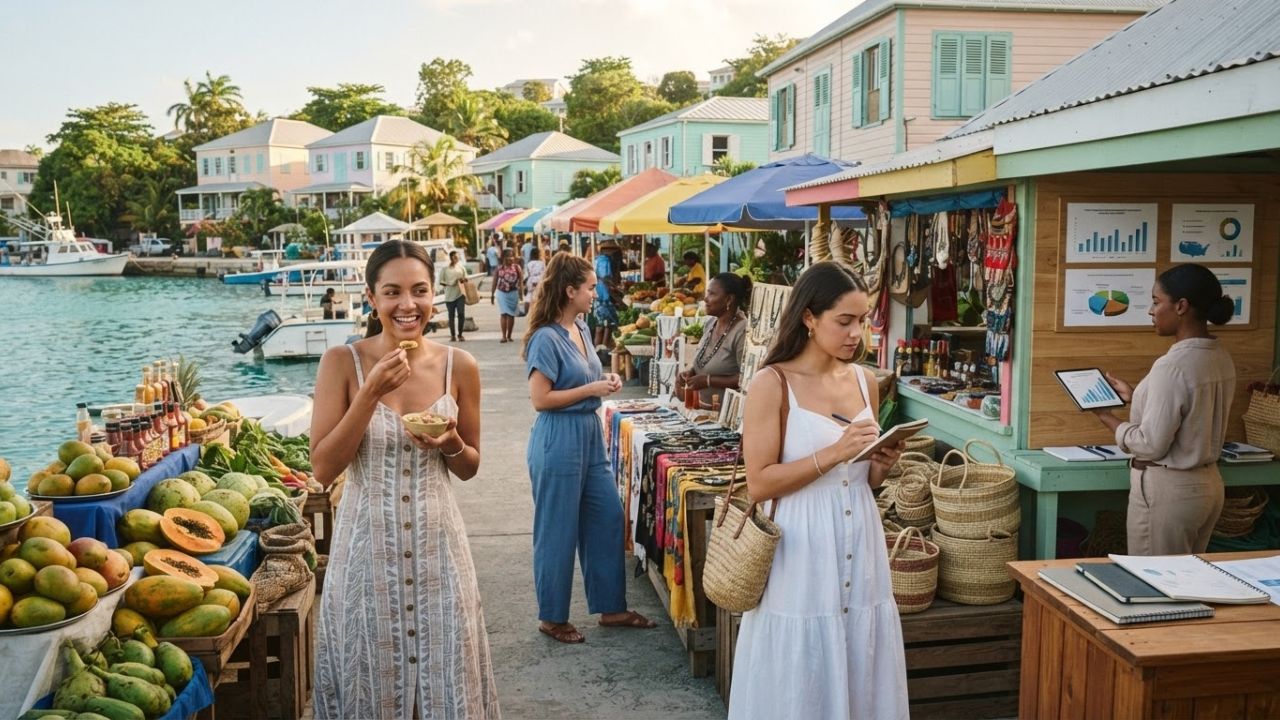
Image generated by AI
A major six-month study has been launched to examine how Caribbean visitor spending can create greater value for local communities by reducing economic leakages and increasing regional sourcing. Commissioned by the Caribbean Hotel and Tourism Association (CHTA) and led by Florida International University's Chaplin School of Hospitality & Tourism Management, the research will evaluate at least six Caribbean jurisdictions.
The project comes at a time when the visitor economy dominates many regional markets, with the Caribbean welcoming an estimated 35 million stayover visitors in 2025 and generating over US$40 billion in visitor spending. By mapping supply chains and identifying where tourism spending leaves local economies, the study aims to strengthen connections between tourism operators and regional farmers, manufacturers, and creative businesses.
The Local Trend: Sourcing Locally in the Caribbean
For travelers, the most visible outcome of the CHTA-FIU study will be the expansion of locally sourced food, products, and cultural experiences. Historically, many Caribbean destinations have relied heavily on imported goods to satisfy the demands of international tourists. This reliance has resulted in high economic leakage rates, with some industry reports indicating that up to 80% of visitor expenditure leaves the region.
The study aims to reverse this trend by identifying opportunities for hotels, restaurants, and cruise operators to buy directly from local agricultural and manufacturing suppliers. By linking the hospitality sector with domestic producers, the initiative aims to create a tourism model where visitor spending remains within the destination, supporting local jobs and community-led businesses.
Agricultural and Manufacturing Partnerships
Agriculture represents one of the key sectors under evaluation. Food and beverage purchases represent a major operating cost for Caribbean hotels and resorts, yet much of this produce is currently imported. The study will map out how regional farming cooperatives can scale up production to meet the quality and volume standards required by large-scale resorts and cruise lines.
Manufacturing and creative services are receiving similar attention. The research will investigate the demand for manufactured items—such as furniture, building materials, and spa products—that could potentially be supplied by regional firms. Additionally, by integrating local musicians, artists, and historians into resort entertainment programs, the project aims to help destinations offer more authentic cultural experiences.
In addition, this model supports community conservation projects. Many budget travelers choose to participate in volunteer beach cleanups and environmental education programs run by local non-profit organizations in Langkawi and Phuket. By choosing eco-tours and buying local goods, travelers contribute to the preservation of these unique coastal ecosystems and support local small business owners.
Academic Research and Global Comparisons
The Caribbean study is part of a broader global movement where academic institutions are analyzing tourism's economic and social structures. Florida International University's Chaplin School, which hosts students from 72 countries, will utilize data modeling and field surveys to compile regional estimates of tourism demand and spending patterns.
Similar research is being conducted by leading universities worldwide:
- University of Surrey (United Kingdom): Analyzes global tourism demand and economic shocks using a vector autoregressive model covering 24 major countries, demonstrating how source market disruptions affect regional tourism performance.
- Hong Kong Polytechnic University: Studies tourism economics in Small Island Developing States (SIDS), comparing seven destinations to determine how much visitor income is retained locally.
- Griffith University (Australia): Home to the Griffith Institute for Tourism, featuring over 130 academic and PhD members analyzing visitor analytics, regional economic impact, and destination resilience.
These comparative studies highlight that arrival statistics alone do not represent a destination's tourism health. Instead, a city's economic resilience depends on its ability to integrate travelers with local supply chains.
Traditional Gastronomy: Regional Culinary Specialties
Increased local sourcing will allow future visitors to enjoy authentic regional dishes prepared using fresh, local ingredients:
- Flying Fish and Cou-Cou (Barbados): The national dish of Barbados, combining seasoned, steamed flying fish with cornmeal and okra paste (cou-cou), simmered in a savory local herb sauce. The cornmeal is stirred with a special wooden stick to ensure a smooth, thick consistency, representing a cornerstone of Barbadian culinary heritage that is popular at weekend fish fries. The fish is often seasoned with local Bajan spices including thyme, marjoram, green onions, and hot pepper.
- Cayman Fish Rundown (Cayman Islands): A traditional fish stew made with fresh local catch, slow-cooked in coconut milk with pumpkin, cassava, and green plantains (ground provisions). The slow-cooking process allows the coconut milk to reduce and thicken naturally, creating a rich sauce that is often served with fried dumplings, providing a hearty and comforting regional meal. This dish has deep roots in Caymanian coastal history.
- Grenadian Oil Down (Grenada): A rich, one-pot stew of breadfruit, salted meat, dumplings, and local callaloo greens, simmered slowly in fresh coconut milk, turmeric, and local spices. It is a hearty comfort food popular during national holidays and local festivals. The coconut oil rises to the top during cooking, giving the dish its distinct name.
- Jerk Pork with Bammy (Jamaica): Spicy marinated pork slow-roasted over green pimento wood coals, served with a traditional cassava flatbread (bammy) soaked in fresh coconut milk. The smoking process gives the pork a distinct spicy aroma, making it a favorite street food option in Montego Bay. The jerk marinade includes Scotch bonnet peppers, allspice, and wild thyme.
- Roasted Jackfish and Breadfruit (Saint Vincent): Whole breadfruit roasted over open coal fires until charred, served with pan-fried jackfish seasoned with garlic, thyme, and local pepper sauce, representing a staple of Vincy heritage and cultural celebrations. The fish is fried whole until crisp, adding a crunchy texture to the meal.
Visitor Insider Tips: Supporting Local Communities
To ensure your travel spending directly supports local communities and regional conservation, follow these practical guidelines:
- Seek Out Farmers' Markets: Skip the resort buffet for lunch and visit regional markets, such as the Brighton Farmers Market in Barbados, to purchase fresh fruit, local honey, and handmade crafts directly from independent producers.
- Book Locally Owned Lodging: Support the local economy by staying in family-run guesthouses, boutique hotels, or alberghi diffusi (scattered hotels) that source their food, furniture, and maintenance services from surrounding neighborhoods.
- Ask for Island-Made Products: When shopping for souvenirs, ask shopkeepers if the items are made locally. Look for certified regional craft labels to avoid buying mass-produced imported goods.
- Support Community-Led Excursions: Hire registered regional guides and book tours through community cooperatives rather than international booking agencies. This ensures that a larger share of your tour fee remains with local guides and conservation funds.
- Respect Regional Conservation Areas: When visiting national parks, marine sanctuaries, or historic reserves, pay the local entrance fees directly to park rangers to support habitat preservation and trail maintenance.
Outlook: The Future of Caribbean Travel
The CHTA-FIU tourism demand study represents a critical step toward building a more resilient and sustainable travel model in the Caribbean. By converting visitor demand into local economic opportunities, regional destinations can manage visitor growth while protecting their natural resources.
Future developments will focus on the creation of regional trade networks linking agricultural suppliers with resort corridors, the implementation of digital purchasing platforms for local chefs, and the expansion of eco-certification standards for boutique hotels. By balancing economic integration with environmental stewardship, the Caribbean tourism sector aims to ensure that its islands remain healthy and welcoming for future generations of international travelers.
Related Travel Guides
Disclaimer
This article is for informational and educational purposes only. It does not constitute legal, financial, or professional advice. While we strive to provide accurate and up-to-date information, travel policies, regulations, and conditions change rapidly. Always verify information with official sources before making travel decisions. Nomad Lawyer makes no representations about the accuracy, reliability, completeness, or suitability of the information provided. Readers should consult qualified professionals for advice specific to their circumstances. The views expressed in this article are those of the author and do not necessarily reflect the views of Nomad Lawyer.