
US and Canada Tourism Pivot as Corporate Bookings Drop Nearly 13% in 2026
North American tourism faces a strategic turning point as corporate bookings between the US and Canada decline by nearly 13%, forcing airlines and hotels to adapt.

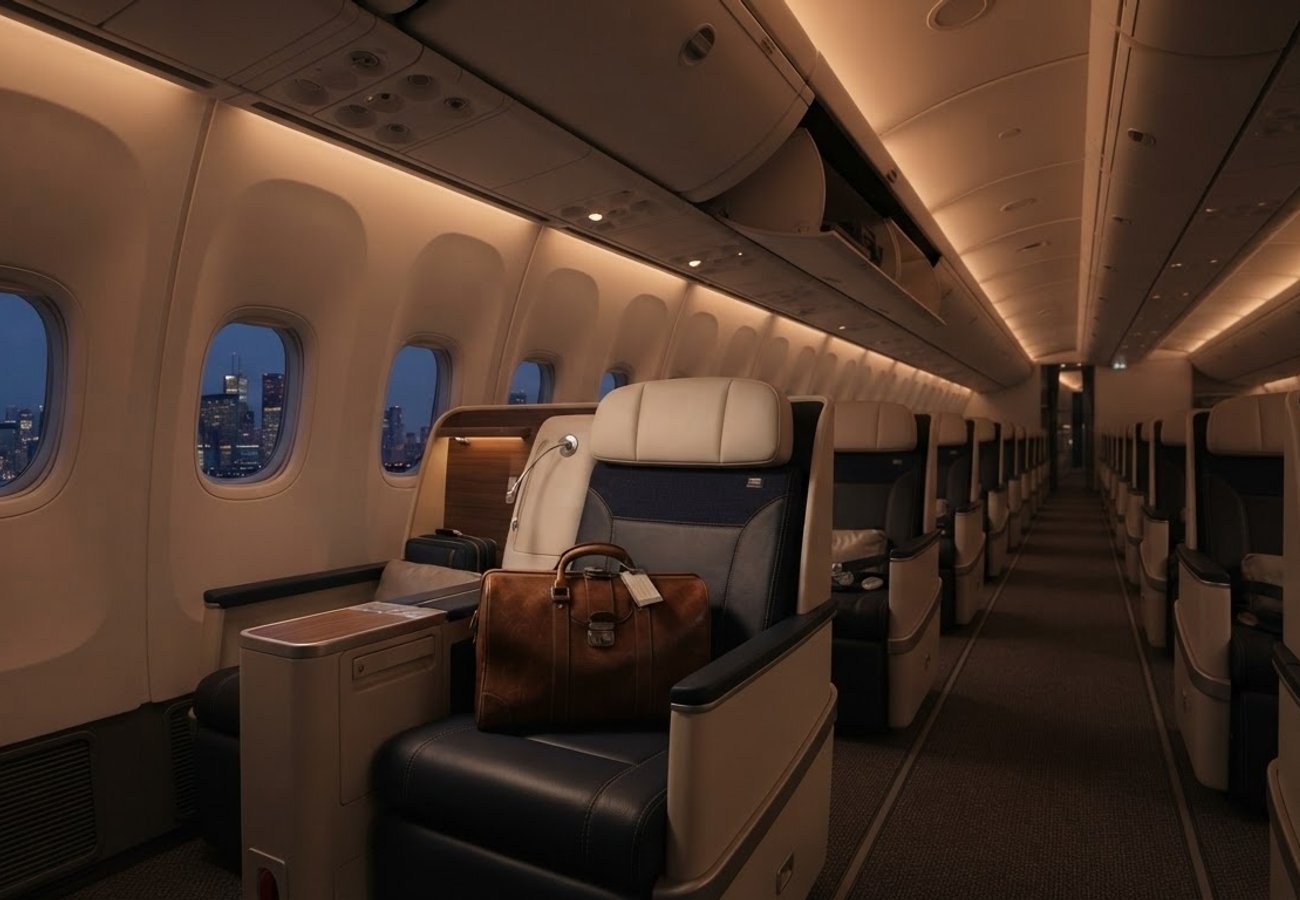
Image generated by AI
The traditional engine of North American cross-border travel is stuttering, with corporate bookings falling by nearly 13% in 2026. This shift is forcing a fundamental redesign of how airlines and hospitality providers target the high-spending business demographic.
The tourism relationship between the United States and Canada is currently navigating a volatile transition. For years, the corridor has been defined by a steady stream of executives, consultants, and partners attending conferences and exhibitions. However, a shift in corporate priorities and budget constraints has led to a nearly 13% drop in corporate bookings, creating a revenue gap for the sectors most dependent on professional transit.
Despite this downturn, the data reveals a complex, fragmented recovery. While overall bookings have dipped, specific segments show resilience; Canada-to-U.S. flight bookings actually rose by 12.7% year-over-year during the April–June 2026 window. This suggests that while the volume of routine corporate travel is shrinking, the demand for high-value, essential face-to-face networking remains potent.
Economic Ripple Effects Across the US Tourism Ecosystem
The decline in corporate traffic is not merely an aviation statistic; it is a systemic economic challenge. Business travelers historically provide higher profit margins than leisure tourists due to their preference for premium cabins, luxury hotel suites, and high-end dining.
Major commercial hubs—specifically New York, Chicago, and Las Vegas—are feeling the pressure. These cities rely on the "business visitor" to maintain high hotel occupancy rates during weekdays, which typically offset the seasonality of leisure tourism.
The following table outlines the specific sectoral impacts resulting from the decline in corporate bookings:
| US Tourism Sector | Primary Impact of Corporate Decline |
|---|---|
| Airlines | Decreased demand on key Canada-U.S. business corridors |
| Hotels | Lower mid-week occupancy and reduced conference revenue |
| Convention Centres | Drop in international business events and professional summits |
| Restaurants | Reduced weekday spending from corporate diners |
| Ground Transport | Lower volume of airport transfers and executive mobility |
| Retail | Decreased high-ticket spending from professional travelers |
Strategic Shifts in the Canadian Travel Market
Canada is experiencing a parallel adjustment. Canadian firms are increasingly auditing their travel expenditures, weighing the cost of in-person negotiations against the efficiency of digital communication. This "digital-first" corporate culture is putting sustained pressure on traditional travel patterns.
Major gateways including Toronto, Vancouver, and Montreal are monitoring these trends closely. As corporate budgets tighten, there is a growing possibility that travelers who once headed south for business may pivot toward domestic Canadian destinations or explore alternative international markets.
Aviation Pressure and Capacity Re-evaluations
Airlines are the first line of impact. The Canada-U.S. market has long been anchored by the "frequency traveler"—those who prioritize flexible scheduling and direct routing. A nearly 13% drop in this segment forces airlines to reconsider several operational pillars:
- Flight Frequency: Reducing the number of daily hops on underperforming business routes.
- Capacity Planning: Adjusting aircraft size to match lower demand.
- Premium Cabin ROI: Evaluating the viability of first and business-class configurations.
- Loyalty Programs: Updating corporate reward structures to maintain brand stickiness.
Hospitality Adaptation and the Rise of "Bleisure"
Hotels in major metropolitan areas are pivoting to fill the vacancy left by the corporate exodus. Because business travelers typically support hotels during the "off-peak" weekdays, the industry is shifting toward more flexible models.
To mitigate losses, hospitality providers are expanding leisure packages and targeting domestic travelers to stabilize occupancy. There is also an accelerated move toward "bleisure"—the blending of business and leisure. By encouraging professionals to extend a short business trip into a personal holiday, cities with strong cultural and entertainment offerings can recapture lost revenue.
Critical Factors for Cross-Border Recovery
The trajectory of North American tourism now depends on the restoration of corporate confidence. The industry is moving away from a volume-based model toward a value-based model, where trips are only approved if they provide measurable commercial gain.
| Recovery Factor | Influence on Tourism Growth |
|---|---|
| Corporate Budgets | Dictates the overall frequency of business trips |
| Air Connectivity | Determines the ease and accessibility of travel |
| Economic Conditions | Directly impacts company spending power |
| Traveler Confidence | Drives the decision to book international trips |
| Business Events | Acts as the primary catalyst for mass movement |
| Hotel Capacity | Supports the infrastructure for visitor growth |
The current volatility is not a sign of permanent decline, but rather a transition toward a more intentional era of travel. The entities that adapt their pricing, flexibility, and value propositions will be the ones to lead the next growth cycle of North American tourism.
The era of the routine business trip is evolving into an era of purposeful travel.
Related Travel Guides
Disclaimer
This article is for informational and educational purposes only. It does not constitute legal, financial, or professional advice. While we strive to provide accurate and up-to-date information, travel policies, regulations, and conditions change rapidly. Always verify information with official sources before making travel decisions. Nomad Lawyer makes no representations about the accuracy, reliability, completeness, or suitability of the information provided. Readers should consult qualified professionals for advice specific to their circumstances. The views expressed in this article are those of the author and do not necessarily reflect the views of Nomad Lawyer.
Raushan Kumar
Founder & Lead Developer
Full-stack developer with 11+ years of experience and a passionate traveller. Raushan built Nomad Lawyer from the ground up with a vision to create the best travel and law experience on the web.
Learn more about our team →