
America Travel Spotlight: Candlelight Halloween Events Turn Historic Venues Into Experiences

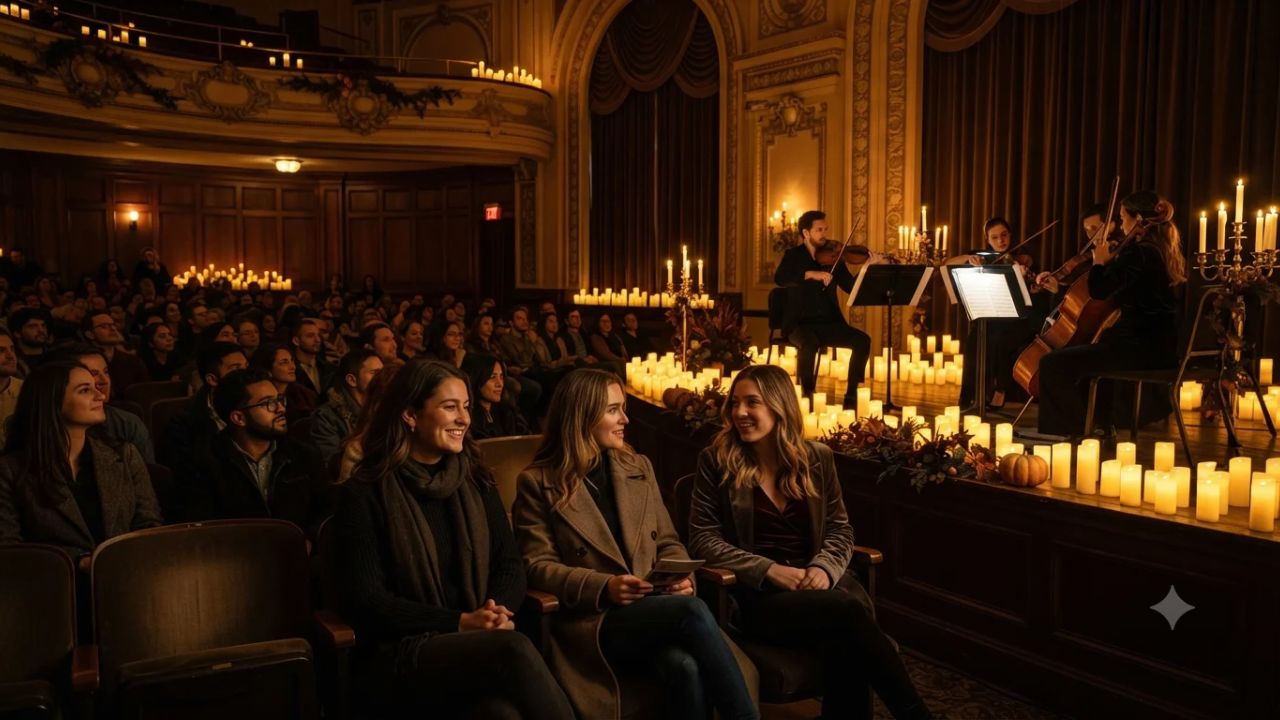
Image generated by AI
Illuminated by thousands of ambient flickering candles across dozens of historic architectural landmarks, the Candlelight concert series is spearheading a high-yield autumn travel shift that converts non-traditional heritage spaces into premier seasonal entertainment hubs. Produced by global live-entertainment platform Fever, the seasonal program entitled "A Haunted Evening of Halloween Classics" is fundamentally redefining cultural shoulder-season tourism by pairing local classical string quartets with iconic architectural venues from Miami Beach and Chicago to Phoenix, Springfield, and Sacramento.
Experiential Season Extension: The Platformization of Autumn Cultural Mobility
For generations, the transition from late September into November represented a notoriously difficult period for urban destination marketers. Following the post-Labor Day collapse of family summer vacations, metropolitan hotels and cultural institutions frequently suffered sharp dips in leisure occupancy before the holiday shopping rush in late November. Traditional sightseeing—visiting static monument corridors and daytime art galleries—often proved insufficient to motivate regional weekend getaways.
That seasonal vulnerability is giving way to dynamic, event-driven travel. By curating sensory, time-limited experiences rather than relying on permanent museum exhibitions, digital discovery platforms are changing how travelers choose their weekend destinations. When a traveler books an evening ticket for a chamber quartet playing inside an 1890s hotel ballroom or a locomotive roundhouse surrounded by candlelight, the performance acts as the primary trip catalyst, turning what would have been an ordinary weekend into a multi-night city break.
This evolution reflects a major transition toward experiential travel. As documented by cultural heritage initiatives supported by the National Trust for Historic Preservation, contemporary travelers—particularly Millennials and Generation Z—prioritize emotional resonance, atmospheric exclusivity, and distinctive photography over conventional luxury amenities. By packaging classical music within immersive holiday folklore, the Candlelight series bridges high culture and mass entertainment, providing municipal tourism boards with a turnkey mechanism to extend leisure spending deep into the autumn calendar.
Architectural Adaptive Reuse: The Five-City Performance Grid
A foundational strength of Candlelight's operational model is its rejection of sterile modern auditoriums in favor of architecturally expressive, heritage-rich venues. Rather than isolating music lovers in conventional symphonic halls, the series activates historic hotels, sports heritage complexes, wildlife parks, and industrial transportation museums.
This adaptive spatial strategy distributes traveler volume directly into key cultural districts, turning underutilized evening spaces into active hospitality engines.
| Host Destination & State | Signature Heritage Venue | Primary Architectural & Cultural Setting | Urban District Anchor | Target Traveler Profile | | :--- | :--- | :--- | :--- | :--- | :--- | | Miami, Florida | Fontainebleau Miami Beach | Mid-century Morris Lapidus luxury resort architecture | Coastal Collins Avenue Corridor | Weekend leisure travelers & coastal retreat seekers | | Chicago, Illinois | Congress Plaza Hotel | Historic 1893 World's Columbian Exposition landmark | Downtown Michigan Avenue / Loop | Heritage architecture enthusiasts & urban explorers | | Phoenix, Arizona | Phoenix Zoo | Open-air desert conservation sanctuary | Papago Park Recreation Area | Eco-conscious travelers & outdoor arts consumers | | Springfield, Massachusetts | Naismith Basketball Hall of Fame | Modern sports museum and cultural exhibition space | Pioneer Valley Riverfront | Multi-interest family travelers & sports heritage tourists | | Sacramento, California | California State Railroad Museum | Historic Old Sacramento transcontinental rail complex | Historic Waterfront Gold Rush District | Rail history enthusiasts & California weekenders |
In northern California, staging candlelit classical performances within the California State Railroad Museum allows visitors to experience towering 19th-century steam locomotives bathed in ambient golden light, transforming a static transportation repository into an evocative stage for horror film scores. Similarly, on the shores of Lake Michigan, hosting performances within Chicago’s Congress Plaza Hotel—a property renowned in local folklore for its storied architectural past—immerses guests in the palpable historic fabric of the city's early-20th-century hotel boom.
The Repertoire Bridge: Merging Classical Tradition With Pop-Culture Nostalgia
The intellectual architecture of "A Haunted Evening of Halloween Classics" rests on an intentional dismantling of traditional barriers between formal symphonic music and popular cinematic culture. Chamber music has historically wrestled with perceptions of exclusivity and rigid decorum. By substituting traditional recital programs with iconic contemporary horror scores, the series democratizes classical string instruments for mass audiences.
The concert repertoire navigates a calculated chronological span across classical masterworks and modern cinema. Audiences transition seamlessly from the dramatic string cadences of Camille Saint-Saëns’ “Danse Macabre” and Modest Mussorgsky’s ominous “Night on Bald Mountain” to the frantic, angular dissonances of Bernard Herrmann’s score for Alfred Hitchcock’s “Psycho”.
These foundational compositions are paired with the universal pop nostalgia of Michael Jackson’s “Thriller”, the stop-motion whimsy of Danny Elfman’s themes for “The Nightmare Before Christmas”, and the pulsing, synth-inspired string adaptations of the “Stranger Things” soundtrack.
This musical synthesis accomplishes what destination marketing agencies often struggle to deliver: broad multi-generational appeal. Parents who grew up watching 1980s music videos attend alongside younger demographics captivated by streaming television, while older patrons appreciate the virtuosity of local quartet musicians performing unamplified acoustic arrangements under candle glow.
Expert Analysis: Micro-Event Conversions, Ancillary Spending, and the Friction of Ephemeral Travel
For urban hospitality operators and municipal tourism agencies, the direct consequence of the Candlelight expansion is an extraordinary ancillary revenue multiplier generated with virtually zero municipal capital investment. Unlike massive outdoor music festivals that require closing municipal streets, hiring hundreds of private security officers, and erecting temporary stages, candlelit chamber micro-events activate existing indoor footprints with minimal overhead.
The pricing pressure this creates means that boutique hotels, chef-driven bistros, and historic speakeasies within a five-block radius of host venues experience acute localized demand spikes on performance evenings. In destinations like South Florida, data from the Greater Miami Convention & Visitors Bureau underscores how cultural evening programming stabilizes mid-week and Sunday hotel occupancy. A ticket purchaser traveling to the Fontainebleau for a 7:00 PM performance rarely departs immediately following the final bow; they absorb pre-show signature cocktails, reserve late-night dining tables, and frequently book overnight resort accommodations to pair the concert with an autumn beach escape.
At the digital distribution level, the involvement of global technology aggregators like Fever represents a pivotal shift in destination discovery. Historically, travelers selected a destination first and subsequently searched for local activities. Today, algorithmic discovery feeds push experiential events directly into mobile devices weeks ahead of travel, prompting impulse weekend bookings based entirely on event availability.
For travelers, navigating this ephemeral event landscape requires strategic foresight. Because Candlelight performances operate with restricted seating allocations to preserve intimate acoustic balances, desirable weekend performances routinely sell out weeks in advance. Travelers who align their flight itineraries and boutique hotel bookings with early-release performance dates successfully bypass the inflated pricing of last-minute ticket resales, securing premium cultural immersions at the intersection of history, music, and seasonal mystery.
Key Takeaways
- Experiential Autumn Catalyst: Candlelight’s "A Haunted Evening of Halloween Classics" converts historic landmarks across the nation into high-yield autumn travel destinations, filling a vital shoulder-season void.
- Diverse Venue Activation: Performances repurpose iconic American settings including the Fontainebleau Miami Beach, Chicago’s Congress Plaza Hotel, the Phoenix Zoo, and Sacramento's California State Railroad Museum.
- Cross-Genre Programming: String quartets bridge classical masterworks by Saint-Saëns and Mussorgsky with mainstream pop-culture scores from "Thriller," "Psycho," and "Stranger Things."
- High Ancillary Economic Yield: Low-impact chamber concerts generate substantial secondary revenues for neighborhood hotels, restaurants, and transit providers without municipal disruption.
- Platform-Driven Travel Discovery: Tech platforms like Fever are reversing traditional travel patterns, encouraging consumers to select weekend travel destinations based on unique event availability.
FAQ: Candlelight Halloween Tourism 2026
What is Candlelight’s “A Haunted Evening of Halloween Classics”?
It is an intimate, seasonal live music experience produced by Fever where local professional string quartets perform horror film themes, classical masterpieces, and Halloween pop songs inside historic venues illuminated by thousands of candles.
Which iconic American cities host these candlelit performances?
Major host destinations include Miami at the Fontainebleau Miami Beach, Chicago at the Congress Plaza Hotel, Phoenix at the Phoenix Zoo, Springfield at the Basketball Hall of Fame, and Sacramento at the California State Railroad Museum.
What musical pieces are included in the Halloween program?
The program features classical works like Saint-Saëns’ “Danse Macabre” and Mussorgsky’s “Night on Bald Mountain” alongside pop-culture favorites like Michael Jackson’s “Thriller”, the “Stranger Things” theme, and Bernard Herrmann’s “Psycho”.
How does the event benefit local tourism and hotels?
By hosting evening performances in historic venues, the series encourages travelers to take autumn city breaks, generating secondary spending across downtown hotels, dining venues, and local transportation networks during traditional shoulder seasons.
Under the gentle flicker of thousands of candles, America’s historic spaces remind travelers that the most captivating autumn journeys are those where architecture, music, and memory softly intertwine.
Related Travel Guides
- Portugal Dominates Europe's Sports Tourism in 2026: How Fans Are Extending Trips Beyond the Match
- CAF Opens £10 Million Lowry Park Depot in Manchester to Revolutionize UK Rail Maintenance and Fleet Reliability in 2026
- Frontier Airlines and Delta Connection Aircraft Collide at Charlotte Douglas International Airport in 2026
This article is for informational purposes. Flight routes, passenger regulations, visa rules, and transit advisories are subject to change by airlines and aviation authorities. Readers are advised to verify schedules and travel documentation with relevant carriers and border agencies before departure.
Related Stories

Atlanta and Las Vegas Lead WalletHub's Best US Winter Holiday Destinations for 2026

European Mass Protests Disrupt Travel Across France, Italy, Belgium, and Turkey in 2026
