Cancún Travel Budget 2026: Rising Fuel Costs, Maya Train Routes, and Riviera Maya Insider Guide

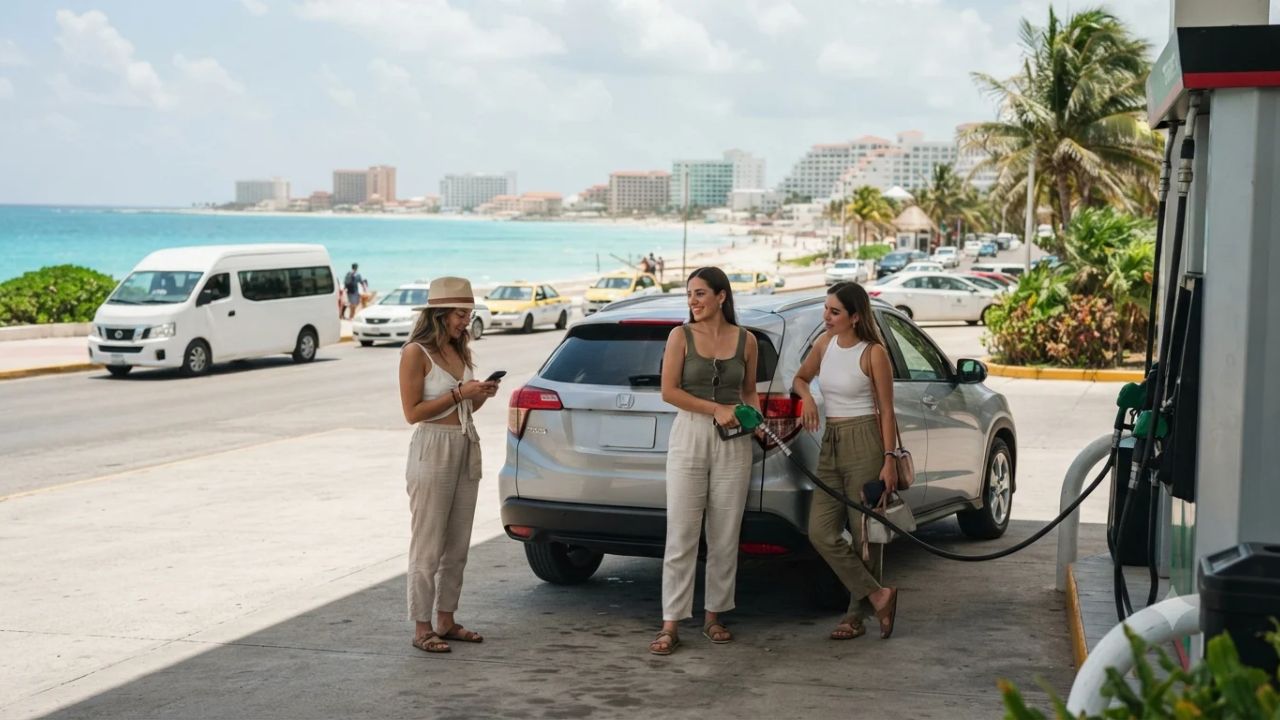
While holidaymakers carefully compare flight fares and beachfront resort packages, local fuel prices along Cancún’s Hotel Zone on Boulevard Kukulcán have climbed to MXN29.50 per liter for diesel—far above the national average of MXN27.00. According to official monitoring from Mexico’s consumer protection agency, a single 50-liter fill-up in Cancún now costs MXN125 more than the exact same fuel purchase in neighboring Mérida, transforming daily ground transit into a pivotal factor in holiday budgeting.
This regional price divergence mirrors a wider North American trend where escalating energy expenses are reshaping vacation spending. Across the United States, regular petrol on 14 September 2026 averaged US$4.319 per gallon nationally, but swung from US$3.806 in Texas to US$5.827 in California—a 53% premium creating an $80.84 fuel gap on a standard 1,000-mile road trip. In Canada, travel-tour packages surged 26.1% year-on-year in August driven by aviation jet-fuel surcharges, while producer-level diesel prices spiked 75.0% annually. For travelers landing at Cancún International Airport, managing airport transfers, car rentals, and excursions across Quintana Roo requires knowing how to navigate ground logistics efficiently.
The Resort Pump Gap: Cancún vs. the Yucatan Interior
The fuel price data published by PROFECO underscores how resort corridors command premium pricing over mainland hubs. In its September 2026 audit, regular petrol across Mexico averaged MXN23.67 per liter, with premium at MXN28.57. However, service stations operating in Cancún listed regular petrol at MXN25.39 per liter and commercial diesel at MXN29.50 on the main resort strip.
Because transport operators, private van fleets, excursion coaches, and hotel food suppliers rely heavily on commercial diesel, higher pump costs filter directly into tourist services. Airport transfer rates, guided day trips to archaeological zones like Chichén Itzá and Cobá, and rental car refuel penalties reflect these operational expenses.
Simultaneously, travelers face broader inflationary pressures across North American travel sectors. Data from the US Bureau of Labor Statistics shows that petrol indices rose 27.4% year-on-year in August, alongside a 2.4% monthly rise in hotel lodging and a 2.7% increase in airfares. With US distillate inventories projected to stay below 100 million barrels into 2027, transportation costs remain elevated across the continent. Comprehensive regional travel planning can be explored through Visit Mexico.
What Makes Yucatan and Cancun Travel Economics Different
The Mexican Caribbean offers a unique transportation alternative that protects travelers from fluctuating highway fuel expenses: the fully operational Tren Maya. Connecting Cancún International Airport directly with Playa del Carmen, Tulum, Valladolid, Mérida, and Palenque, the modern passenger rail network provides an affordable, fixed-fare alternative to long highway road trips and costly private highway transfers.
Rather than paying inflated taxi rates or renting private vans for 200-kilometer cross-peninsula journeys to Mayan ruins, visitors can board air-conditioned trains from Cancún Airport Station. A train trip from Cancún to Mérida or Valladolid bypasses toll roads, avoids rental car insurance surcharges, and delivers travelers directly into colonial city centers.
Furthermore, urban transit within Cancún itself remains remarkably inexpensive. The municipal R-1 and R-2 public buses run 24 hours a day along the entire length of Boulevard Kukulcán, connecting the Hotel Zone to downtown Cancún for just MXN12 (less than US$0.70) per ride, bypassing expensive resort taxi minimums.
Visitor Insider Tips
To keep ground travel expenses under control while exploring Quintana Roo and the Yucatan Peninsula in 2026, keep these local strategies in mind:
- Leverage the Tren Maya for Intercity Legs: Use the Tren Maya for long-distance travel between Cancún, Tulum, Chichén Itzá, and Mérida. Reserve your train tickets online before arrival to secure tourist-class seating and avoid car rental insurance fees.
- Refuel in Downtown Cancún: If renting a car for regional exploration, avoid refilling the tank at gas stations directly along Boulevard Kukulcán in the Hotel Zone or immediately outside the airport perimeter. Fuel stations in downtown Cancún along Avenida Tulum or Avenida Bonampak charge lower city rates.
- Pre-Book Official ADO Airport Buses: Skip private airport taxis that charge upwards of US$60 to US$90 for short runs. The reliable ADO bus terminal inside Cancún Airport connects directly to downtown Cancún and downtown Playa del Carmen for under US$8 per passenger.
- Scrutinize Car Rental Fuel Policies: When picking up a rental car, opt for a "Full-to-Full" fuel policy. Never accept prepaid fuel packages from airport rental desks, which often charge inflated fuel rates plus administrative refilling surcharges.
- Take Municipal Buses Along the Hotel Zone: For trips between beach clubs, shopping malls like La Isla, and restaurants along the spit, flag down the red R-1 or R-2 city buses rather than hiring resort taxis.
Cultural and Environmental Context
The transition toward energy-efficient rail transit and electrified public fleets is critical to protecting the delicate subterranean ecology of the Yucatan Peninsula. The region rests on a porous limestone karst shelf containing the world's largest interconnected network of freshwater underground rivers and sacred cenotes.
High vehicular traffic and heavy diesel exhaust along coastal Highway 307 generate runoff that can seep into vulnerable freshwater aquifers and delicate coral reefs along the Mesoamerican Barrier Reef. By utilizing shared transit options like the Tren Maya and municipal electric shuttles, travelers significantly reduce their per-capita carbon footprint.
Economically, using regional public transit empowers local Mayan communities. Rather than confining tourism spending within multinational all-inclusive resorts, travelers riding regional rail and public buses disembark in historic towns like Valladolid, Tizimín, and Izamal, spending their money at family-run picanterías, artisan embroidery workshops, and community-managed eco-parks.
FAQ: Managing Travel and Transport Costs in Cancun 2026
Why are fuel prices higher in Cancún than in other parts of Mexico?
Resort corridors like Boulevard Kukulcán command higher land rents and localized pricing, raising diesel and petrol prices compared to inland cities like Mérida.
How does the Tren Maya help reduce travel costs?
The Tren Maya connects Cancún Airport to Playa del Carmen, Tulum, and Mérida at fixed, affordable train fares, eliminating rental car and toll road expenses.
What is the cheapest way to travel from Cancún Airport to the Hotel Zone?
The most economical option is taking the scheduled ADO bus to downtown Cancún, then catching the R-1 municipal city bus for MXN12 into the Hotel Zone.
Is it necessary to rent a car to explore the Riviera Maya?
No. Reliable ADO buses, shared colectivo vans, and the Tren Maya provide comprehensive coverage between major towns, beaches, and Mayan ruins.
By trading congested resort highways for serene train journeys through the jungle canopy, smart travelers discover the timeless soul of the Maya world while keeping their budgets intact.
Related Travel Guides
This article is for informational purposes. Flight routes, passenger regulations, visa rules, and transit advisories are subject to change by airlines and aviation authorities. Readers are advised to verify schedules and travel documentation with relevant carriers and border agencies before departure.
Related Stories

United Airlines Exits Tulum Airport in January 2027: Riviera Maya Travel Guide and Cancún Transit Alternatives

Ayodhya Deepotsav 2026 Logistics Guide: Attending the 30 Lakh Lamp Festival in India