
New U.S. Visa Restrictions for Canadian Travelers Targeting Birth Tourism in 2026
U.S. Secretary of State Marco Rubio announces strict new visa restrictions under Section 212(a)(3)(C) targeting birth tourism, impacting Canadians and facilitators.

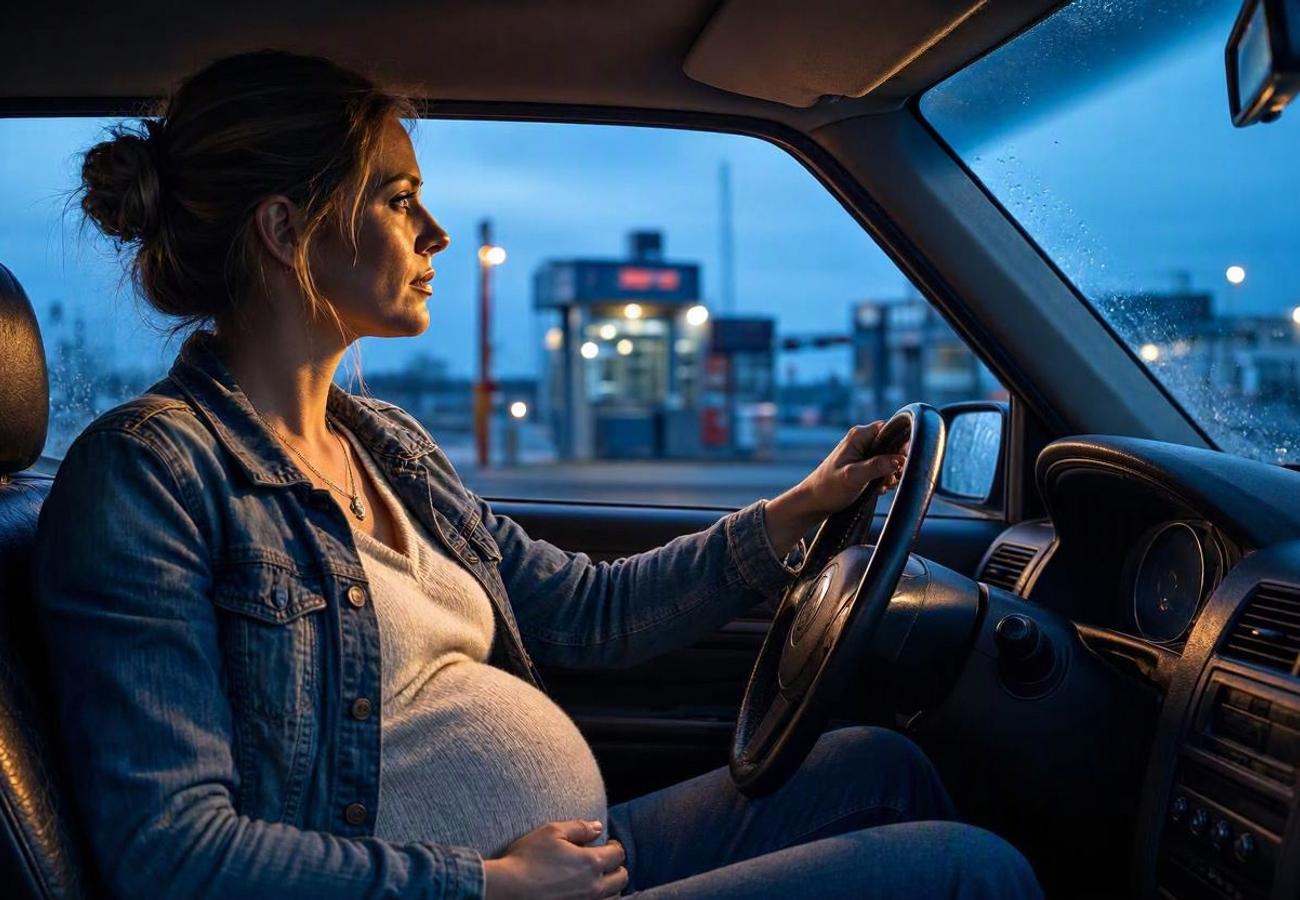
Image generated by AI
Are you a Canadian citizen or resident planning a trip to the United States while pregnant? New federal directives from the U.S. State Department have fundamentally changed how border agents and consular officers evaluate entry for travelers suspected of "birth tourism."
The State Department's Crackdown on Birth Tourism
U.S. Secretary of State Marco Rubio has officially implemented a restrictive visa policy grounded in Section 212(a)(3)(C) of the Immigration and Nationality Act. This directive is specifically designed to eliminate "birth tourism"—the practice of entering the U.S. for the primary purpose of giving birth to secure automatic U.S. citizenship and a passport for the child.
The scope of this policy is broad. It does not only target the pregnant traveler but extends to anyone who facilitates the process. This includes "visa fixers" who coach applicants on how to mislead officials, owners and managers of commercial maternity houses, and medical providers who knowingly assist in these arrangements or facilitate the fraudulent use of the U.S. Medicaid system.
According to a State Department spokesperson, these restrictions are applied on a case-by-case basis. Furthermore, the government has established a "Birth Tourism Prevention Task Force" with the explicit authority to revoke visas from individuals found to be engaging in or enabling these practices. Critically, the spokesperson noted that these penalties could extend to immediate family members of the primary traveler.
Regulatory Framework and Legal Risks
The U.S. government is treating birth tourism not as a loophole, but as a form of visa fraud. While the U.S. Customs and Border Protection (CBP) has historically monitored the northern border, the current administration has escalated the legal consequences. The Department of Justice (DOJ) has issued memos urging U.S. attorneys to prioritize the prosecution of these schemes in coordination with the Department of Homeland Security (DHS).
The financial scale of these operations is significant. Data from the Migration Policy Institute indicates that commercial birth tourism packages can cost between $20,000 and $100,000. While the Centers for Disease Control and Prevention (CDC) reports that birth tourism accounts for only a small fraction of U.S. births—estimated between 22,000 and 26,000 annually, or less than 1% of the 3.6 million births in 2024—the federal government is aggressively targeting the networks facilitating this travel.
The legal risks are no longer limited to deportation or visa denial. The DOJ has outlined several criminal charges that can be leveraged against those involved in birth tourism schemes:
| Charge Type | Legal Code | Nature of Offense |
|---|---|---|
| Visa Fraud | 18 U.S.C. § 1546 | Misrepresenting intent for entry |
| Wire Fraud | 18 U.S.C. §§ 1343, 1349 | Conspiracy to defraud via electronic means |
| Money Laundering | 18 U.S.C. § 1956 | Moving funds to facilitate illegal entry |
| Identity Theft | 18 U.S.C. § 1028A(a)(1) | Aggravated use of false identification |
| Health Care Fraud | 18 U.S.C. § 1347 | Conspiracy to defraud Medicaid/Insurance |
Traveler Logistics Guide
For Canadians traveling to the U.S., the distinction between a legitimate vacation and "birth tourism" now rests entirely on the "intent" of the visit. If a traveler claims they are visiting for leisure but is found to have pre-arranged medical care for delivery, border agents may treat this as a violation of entry terms, similar to claiming a tourist visit while intending to work illegally.
Step-by-Step Logistics for Pregnant Travelers:
- Documentation of Intent: If you are traveling for a legitimate reason (family visit, business, or medical necessity), carry comprehensive documentation. This includes return flight or travel itineraries and proof of financial means to cover all medical expenses without relying on U.S. government assistance.
- Medical Proof: If you have a legitimate medical reason for seeking care in the U.S., carry a letter from your primary physician in Canada and a confirmed appointment from a licensed U.S. provider.
- Financial Transparency: Be prepared to demonstrate that you have the funds to pay for the birth out-of-pocket. The State Department is specifically targeting the fraudulent use of Medicaid.
- Visa Review: For Canadians who require a visa (non-citizens), review your application under the lens of Section 212(a)(3)(C). Any inconsistency in your travel history or stated purpose can trigger a "case-by-case" review by the Birth Tourism Prevention Task Force.
- Legal Consultation: Given the DOJ's focus on "conspiracy" and "wire fraud," anyone using a third-party agency to coordinate birth-related travel should consult a qualified immigration attorney before crossing the border.
Regional Connectivity and Border Impact
The "Anchors Away Act," introduced by Congressman Andy Ogles, suggests an even more restrictive future. If passed, this legislation would effectively ban any non-citizen or non-green card holder from entering the U.S. if they are pregnant, regardless of their intent. This would move the policy from "fraud-based" restrictions to a "status-based" ban.
For the average Canadian traveler, this means increased scrutiny at major land crossings like the Peace Arch between Surrey, B.C., and Blaine, Washington. Border agents are now more likely to question pregnant travelers about their medical plans and financial arrangements.
The shift in policy reflects a broader move toward strict enforcement of the Immigration and Nationality Act. While Canadians have traditionally enjoyed smoother transit into the U.S., the current environment requires a higher standard of proof regarding the purpose of travel. For those seeking U.S. citizenship, the government continues to emphasize the legal pathway: immigrating via a green card and applying for permanent residency, a process that can range from several months to over a decade.
FAQ: US Visa Restrictions 2026
Do I need a visa if I am a Canadian citizen traveling to the US while pregnant? Canadian citizens generally do not need a visa for tourism. However, under the new policy, if border agents suspect your primary purpose is birth tourism, you can be denied entry or face visa penalties under Section 212(a)(3)(C).
Can my family members be affected by these restrictions? Yes. A State Department spokesperson confirmed that the new restrictions can be applied to immediate family members of those engaging in or facilitating birth tourism.
What happens if I am caught engaging in birth tourism? You may face immediate visa revocation, denial of entry, or criminal charges including visa fraud and wire fraud. The Birth Tourism Prevention Task Force specifically targets these cases for enforcement.
Is it illegal for a pregnant woman to visit the US? It is not illegal to visit, but it is illegal to misrepresent your intent to border officials. Claiming a vacation while intending to give birth to secure citizenship is viewed as visa fraud.
The line between a family visit and a federal offense has never been thinner at the northern border.
Related Travel Guides
Disclaimer
This article is for informational and educational purposes only. It does not constitute legal, financial, or professional advice. While we strive to provide accurate and up-to-date information, travel policies, regulations, and conditions change rapidly. Always verify information with official sources before making travel decisions. Nomad Lawyer makes no representations about the accuracy, reliability, completeness, or suitability of the information provided. Readers should consult qualified professionals for advice specific to their circumstances. The views expressed in this article are those of the author and do not necessarily reflect the views of Nomad Lawyer.
Naina Thakur
Contributor & Travel Specialist
Travel enthusiast and legal writer covering visa regulations, responsible tourism, and cultural journeys across global destinations.
Learn more about our team →