
Canada, US, Bahamas Issue Joint Caribbean Travel Safety Alert: Jet Ski Dangers and Crime Concerns Reshape 2026 Holiday Plans
North American governments unite on urgent Bahamas travel warnings as jet ski accidents and crime spike. What international travelers must know before booking Caribbean holidays in 2026.

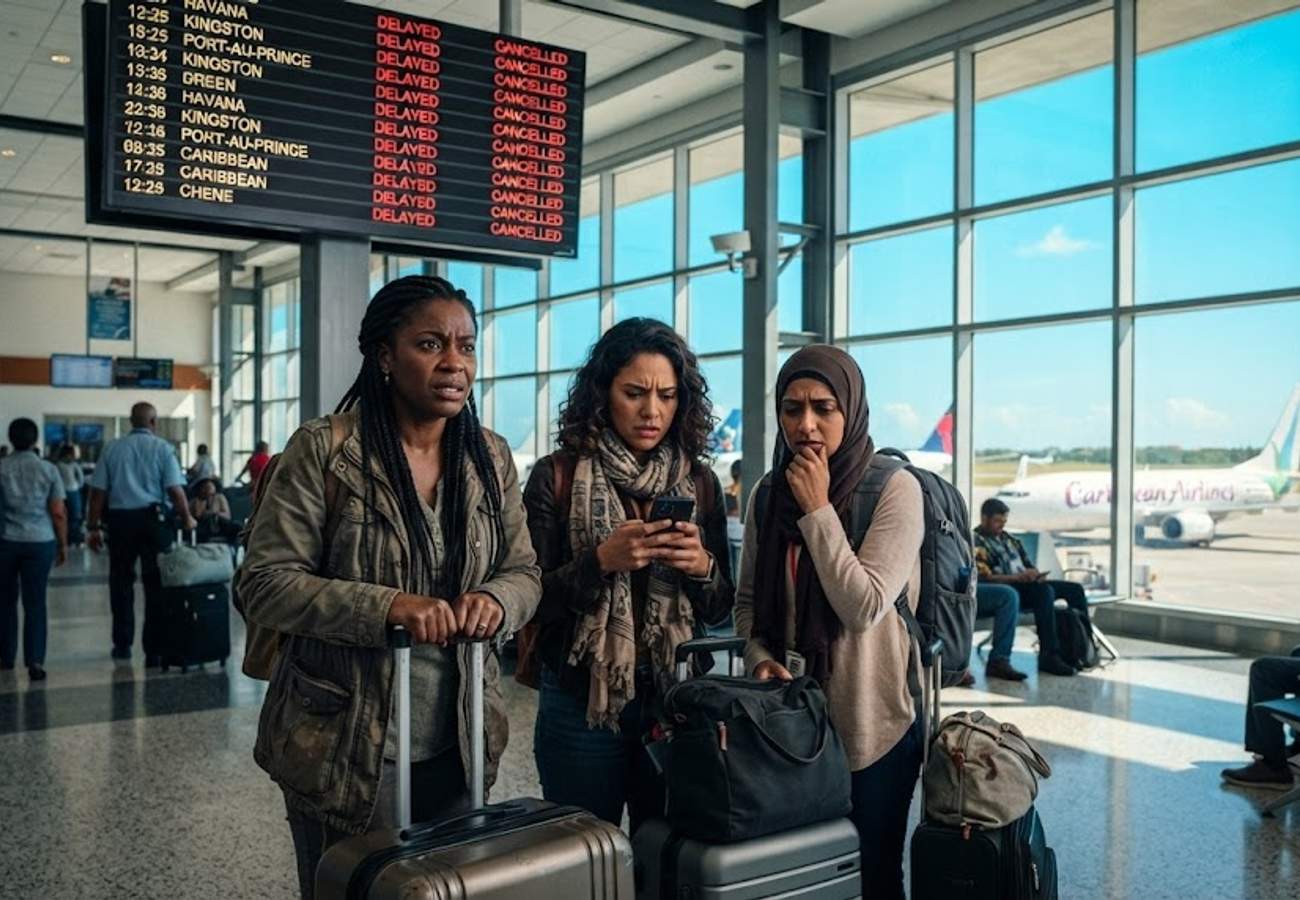
Image generated by AI
A Synchronized Warning Reshapes Caribbean Holiday Planning
Canada, the United States, and The Bahamas have collectively raised alarms over escalating safety concerns that are forcing international travelers to rethink their beach vacation strategies. The coordinated alert—sparked by a troubling surge in jet ski rental incidents and persistent crime hotspots—signals a critical moment for the region's tourism sector and the millions of North Americans who flock to these islands annually.
I've watched travel advisories evolve over the years, but this unified approach across three nations marks something more urgent: a recognition that Caribbean water sports safety and urban crime require simultaneous intervention.
The Jet Ski Crisis Nobody Saw Coming
Commercial jet ski operations in Nassau and Paradise Island have become the focal point of official concern following a wave of preventable accidents, serious injuries, and criminal incidents involving tourists renting personal watercraft.
The issue runs deeper than carelessness. Authorities have documented that some operators lack proper licensing, adequate insurance coverage, and basic safety protocols—leaving visitors vulnerable to both mechanical failure and criminal exploitation.
Reddit: "Rented a jet ski in Nassau last year without checking credentials. Operator had zero paperwork. Biggest mistake of my trip." — r/travel
What's particularly alarming: authorities have logged reports of tourists being deliberately taken to isolated locations during excursions, turning what should be a recreational activity into a security nightmare. For travelers unfamiliar with local geography and infrastructure, these situations can escalate rapidly.
Why This Matters: The Numbers Behind the Alert
Several documented incidents have resulted in serious injuries and fatalities. While exact figures remain proprietary to law enforcement, the consistency of reports across Canadian, American, and Bahamian officials suggests a systemic problem—not isolated cases.
The advisory places heightened responsibility on travelers to verify operator credentials, review safety equipment, and understand that booking through unlicensed vendors carries exponentially higher risks.
Canada's Ongoing Travel Advisory: What You Need to Know
Canada's government continues to maintain its existing travel advisory for The Bahamas, recommending that Canadian citizens exercise "a high degree of caution" throughout their stay. This advisory is not a travel ban—it's a calibrated warning reflecting real, documented security concerns.
The primary focus remains Nassau and Freeport, two of the country's busiest tourism hubs where petty crime, theft, armed robbery, and more serious offenses have been reported with regularity. Canadian authorities explicitly warn against solo travel after dark and recommend remaining within established tourist districts.
Registration with the Registration of Canadians Abroad (ROCA) program before departure enables the Government of Canada to provide emergency assistance if civil disturbances, natural disasters, or security incidents affect travelers during their trip.
The Crime Landscape: What International Visitors Actually Face
Here's what the official record shows:
Petty crimes—pickpocketing, bag snatching, and petty theft—dominate busy tourist areas, cruise terminals, and resort zones. These are opportunistic crimes targeting inattentive visitors displaying valuable electronics, jewelry, or cash.
More serious offenses—including armed robbery, burglary, fraud, and sexual assault—have been documented, though many are associated with local gang activity rather than targeting tourists specifically. Still, visitors remain at risk when venturing outside resort boundaries or established tourist corridors.
Paradise Island has seen upticks in tourist scams involving unlicensed vendors and fraudulent excursion operators. Cruise terminals are particular hotspots for organized pickpocketing operations.
Why The Bahamas Still Attracts Millions (Despite Warnings)
The Bahamas consistently ranks among Canada's top Caribbean destinations because of direct flight connections, luxury all-inclusive resorts, cruise accessibility, and genuinely world-class beaches. Water sports—snorkeling, diving, jet skiing, parasailing—remain central to the vacation experience for most visitors.
The new safety messaging doesn't discourage travel; it demands smarter travel.
The Operator Verification Protocol: Your Checklist
Before booking any water sports excursion, verify:
- Licensed credentials: Confirm the operator holds current government licensing
- Insurance documentation: Ensure the company carries liability coverage protecting tourists
- Safety equipment inspection: Visually inspect life jackets, helmets, and communication devices before participating
- Emergency protocols: Ask operators how they handle accidents, injuries, or equipment failure
- Booking channels: Use established resort concierges or recognized tour companies rather than street vendors
Booking through your resort's official activities desk adds a layer of accountability that unofficial vendors cannot provide.
Registration and Documentation: Your Safety Net
Before departure, Canadian travelers should:
Enroll in ROCA at the Government of Canada website. Maintain digital and physical copies of your passport, travel insurance documents, and embassy contact information. Inform family members of your itinerary and check-in schedule.
Travel insurance must explicitly cover adventure activities and water sports. Standard policies frequently exclude these high-risk activities, leaving you financially vulnerable if injury occurs.
What Government Travel Advisories Actually Tell Us
According to official Canadian government guidance, travel advisories exist on a spectrum. "Exercise caution" is significantly different from "avoid all travel" or "avoid all but essential travel." The Bahamas currently sits in the middle tier—acknowledging real risks while maintaining that informed, cautious travelers can visit safely.
The U.S. State Department similarly advises heightened vigilance in Nassau and Freeport while noting that millions of Americans visit successfully each year.
These aren't scare tactics—they're calibrated risk assessments based on documented incidents and law enforcement data.
The Broader Caribbean Context
This alert reflects a larger conversation within Caribbean tourism about operator accountability, government oversight, and the tension between economic growth and visitor safety.
Destinations competing for tourist dollars sometimes overlook safety standards to reduce operational costs. When multiple nations issue coordinated warnings, it signals that industry self-regulation has failed and government intervention is necessary.
The tourism industry in The Bahamas depends on visitor confidence. Safety alerts, while negative in the short term, actually serve the sector's long-term interests by ensuring that travelers feel protected and supported.
Your Pre-Departure Checklist
Research phase: Review official travel advisories from Canada, the United States, and your home country. Read recent traveler reviews on reputable platforms noting specific safety concerns.
Insurance phase: Purchase comprehensive travel insurance explicitly covering water sports and adventure activities. Verify coverage limits and exclusions.
Planning phase: Pre-book excursions through established providers rather than arranging activities on-site. Communicate your itinerary to family and register with ROCA.
Documentation phase: Carry copies of your passport, insurance documents, and emergency contact numbers. Store originals securely at your accommodation.
Vigilance phase: Remain aware of surroundings, avoid displaying expensive belongings, use licensed transportation, and trust your instincts about people and situations.
The Bottom Line for 2026 Travelers
The Bahamas remains a legitimate destination for North American travelers—but only for those willing to approach the visit with informed caution. The coordinated warnings from Canadian, American, and Bahamian authorities represent a turning point: Caribbean tourism must prioritize security alongside accessibility.
Jet ski safety standards require immediate improvement, and law enforcement must maintain visible presence in tourist districts. For visitors, that means verifying credentials, avoiding unlicensed operators, and remaining alert in unfamiliar environments.
Caribbean tourism thrives on trust. These alerts, while uncomfortable, actually strengthen that trust by acknowledging problems and demanding accountability.
Stay informed, travel smart, and never let convenience override caution.
Related Travel Guides
Disclaimer
This article is for informational and educational purposes only. It does not constitute legal, financial, or professional advice. While we strive to provide accurate and up-to-date information, travel policies, regulations, and conditions change rapidly. Always verify information with official sources before making travel decisions. Nomad Lawyer makes no representations about the accuracy, reliability, completeness, or suitability of the information provided. Readers should consult qualified professionals for advice specific to their circumstances. The views expressed in this article are those of the author and do not necessarily reflect the views of Nomad Lawyer.
Preeti Gunjan
Contributor & Community Manager
A passionate traveller and community builder. Preeti helps grow the Nomad Lawyer community, fostering engagement and bringing the reader experience to life.
Learn more about our team →