
British Airways Diverts Flight, Strands 265 in Frozen Newfoundland
British Airways diverts London-Houston flight to St. John's after medical emergency in 2026, leaving 265 passengers stranded for two days in sub-zero Newfoundland with minimal airline support and communication failures.

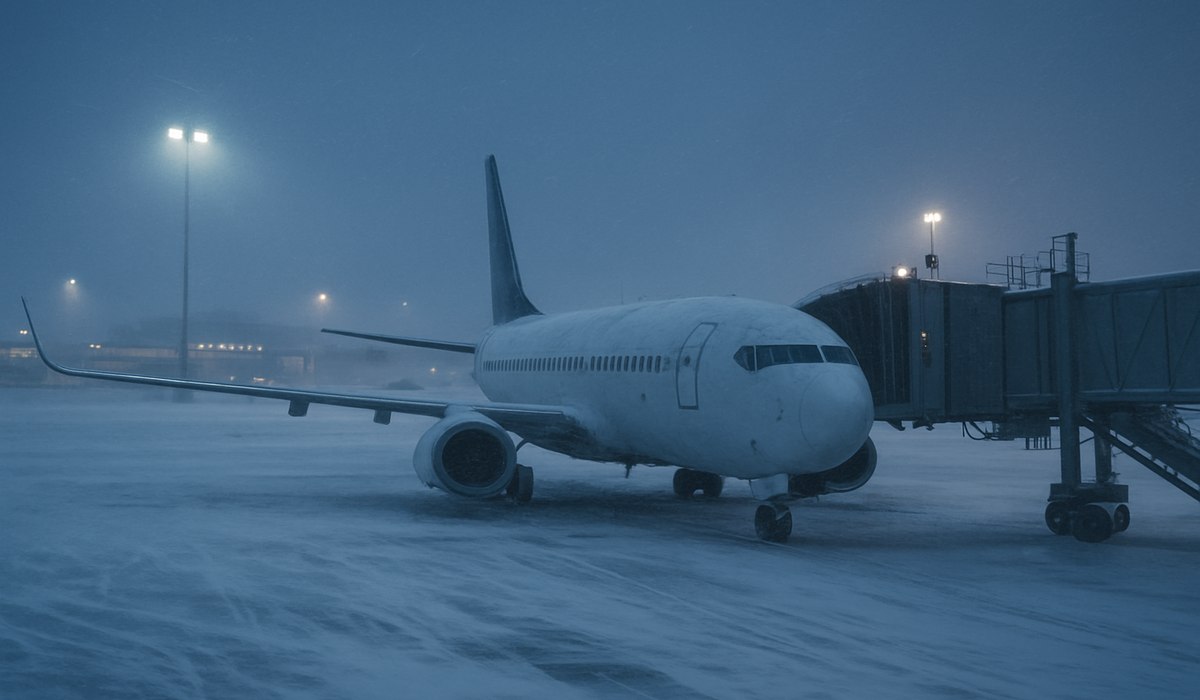
Image generated by AI
Medical Emergency Forces Transatlantic Flight to St. John's
British Airways diverts a London Heathrow-to-Houston service to St. John's International Airport on March 31, 2026, after a medical emergency erupts onboard the widebody aircraft. The flight, carrying 265 passengers bound for Texas, was forced into an unplanned landing at Canada's Atlantic coast hub—a decision that would trigger a cascading crisis lasting nearly 48 hours. St. John's, while strategically positioned for transatlantic diversions, is a modest regional airport that rarely handles sudden influxes of hundreds of stranded long-haul travelers. The medical situation that triggered the emergency diversion was serious enough to override normal scheduling, yet the airline's response to passenger welfare afterward drew sharp criticism from affected travelers and aviation observers.
The aircraft touched down safely, but what might have been a routine medical-emergency diversion quickly deteriorated into a logistical nightmare. Passengers disembarked into sub-zero Newfoundland conditions they had not anticipated, armed only with the light clothing typical of heated aircraft cabins and spring London weather. Early April temperatures in St. John's consistently drop below freezing, with wind chill factors pushing conditions well into dangerous territory.
Crew Authorization Issues Prevent Onward Journey to Houston
Once grounded at St. John's, British Airways diverts passengers learned devastating news: the aircraft and crew lacked proper authorization to continue onward to Houston from Canadian soil. Aviation regulations governing cross-border operations, crew duty limits, and aircraft certification created a bureaucratic barrier that transformed what could have been a same-day recovery into an extended standoff.
Crew authorization and duty-time restrictions exist for passenger safety, yet they left hundreds of travelers in limbo. The airline could not simply refuel and push back to the runway. Instead, staff faced the complex task of arranging replacement crews from distant bases, securing necessary entry clearances, and coordinating with U.S. and Canadian aviation authorities. Each bureaucratic step consumed hours while passengers cooled their heels in the terminal.
The delay revealed a critical gap in contingency planning. Major carriers operating daily transatlantic services should maintain protocols for crew-authorization obstacles at remote diversion airports. FlightAware tracking data typically shows how long such diversions extend, offering real-time context for travelers monitoring their own journeys. This incident exposes what happens when that planning fails—passengers become collateral damage in operational complexities beyond their control.
Passengers Left in Sub-Zero Conditions With Limited Assistance
Two full days elapsed before the 265 stranded passengers resumed their journey to Houston. During those 48 hours, travelers endured inadequate accommodation, sporadic meal service, and temperatures that dipped well below freezing each night. Many had boarded in London expecting a direct flight; instead, they found themselves in a harsh maritime climate with only cabin clothing designed for a pressurized aircraft.
Accounts from affected passengers describe initial delays in disembarkation, followed by confusion over hotel assignments. St. John's International Airport lacks the capacity to absorb hundreds of unexpected overnight guests. Local hotels filled quickly, forcing the airline to scramble for alternative lodging arrangements. Some passengers reported being housed miles from the airport with unreliable ground transportation. Others claimed they spent night one sleeping in the terminal or on airport chairs—unacceptable for a carrier the caliber of British Airways.
Checked baggage access remained denied throughout the ordeal, stranding winter coats, medications, and personal hygiene items in the aircraft hold. While this policy is standard during short operational delays, a 48-hour diversion in freezing conditions demands exceptions. Passengers left to shiver through Newfoundland nights in sleeveless shirts and light jackets faced genuine discomfort and health risks. The airline's adherence to standard procedures, rather than demonstrating crisis flexibility, amplified passenger anger and suffering.
Questions Mount Over Airline Communication and Passenger Care
Throughout the two-day stranding, British Airways reportedly provided sparse, inconsistent updates to passengers. Social media filled with complaints about hours passing without information from airline representatives. The carrier's mobile app and email systems delivered sporadic notifications, leaving travelers uncertain whether solutions were imminent or if they faced indefinite delays.
Some passengers reported queuing repeatedly at customer service desks, only to hear conflicting information from different agents. This administrative chaos, layered atop physical discomfort and travel disruption, created a sense that the airline had abandoned them. Consumer advocates emphasize that transparency during extended disruptions is not merely courteous—it is a legal obligation under passenger-rights regulations in both Canada and the United States.
The U.S. Department of Transportation maintains detailed regulations governing airline communication and compensation during significant disruptions. British Airways' failure to proactively contact passengers, provide regular updates, and offer clear rebooking timelines potentially violates these standards. Affected travelers now face the prospect of filing complaints with regulatory bodies and pursuing compensation claims—a burden that should never fall on passengers after the airline fails its duty of care.
Recovery and Compensation Implications
After two days stranded in St. John's, British Airways eventually arranged a replacement aircraft or positioned alternative air services to move passengers toward Houston. However, the delay meant that connection windows closed, business meetings were missed, and vacation time was lost. Some travelers experienced cascading disruptions across multiple legs of their journeys.
The incident raises serious questions about whether British Airways has adequately compensated affected passengers. Under EU Regulation 261/2004 and similar North American frameworks, carriers are liable for significant delays caused by operational failures—even those stemming from medical emergencies, provided the airline's response to the diversion was negligent. The apparent lack of advance planning for crew authorization at remote airports, combined with inadequate passenger support, suggests potential liability.
Passengers should file formal complaints with the FAA and review their rights under the U.S. Department of Transportation's Aviation Consumer Protection Division. Documentation of accommodation failures, communication gaps, and additional expenses incurred can strengthen compensation claims. Many passengers may qualify for EU261 compensation (up to €600 per person) if the disruption falls within regulatory scope.
Key Details and Timeline
| Fact | Detail |
|---|---|
| Flight Route | London Heathrow (LHR) to Houston Intercontinental (IAH) |
| Diversion Airport | St. John's International Airport (YYJ), Newfoundland, Canada |
| Incident Date | March 31, 2026 |
| Passengers Affected | Approximately 265 |
| Stranding Duration | Approximately 48 hours |
| Primary Cause | Medical emergency on board; crew/aircraft authorization obstacles |
| Temperature Conditions | Sub-zero Celsius with significant wind chill |
| Primary Complaint | Inadequate communication, limited accommodation, denied baggage access |
| Regulatory Jurisdiction | Canadian, U.S., and EU passenger-rights frameworks apply |
What This Means for Travelers
Traveler Action Checklist
-
Document everything: Photograph boarding passes, hotel receipts, meal expenses, and any communication from the airline. Save emails and screenshot app notifications.
-
File formal complaints: Submit complaints to your national aviation authority (FAA for U.S.-bound flights) and the U.S. Department of Transportation within required timeframes.
-
Claim reimbursable expenses: Gather receipts for hotels, meals, transportation, and emergency supplies purchased during the disruption. Airlines are obligated to cover "reasonable" costs incurred due to their failure.
Disclaimer
This article is for informational and educational purposes only. It does not constitute legal, financial, or professional advice. While we strive to provide accurate and up-to-date information, travel policies, regulations, and conditions change rapidly. Always verify information with official sources before making travel decisions. Nomad Lawyer makes no representations about the accuracy, reliability, completeness, or suitability of the information provided. Readers should consult qualified professionals for advice specific to their circumstances. The views expressed in this article are those of the author and do not necessarily reflect the views of Nomad Lawyer.
Preeti Gunjan
Contributor & Community Manager
A passionate traveller and community builder. Preeti helps grow the Nomad Lawyer community, fostering engagement and bringing the reader experience to life.
Learn more about our team →