
Canada Secures Sixth Place on Global Solo Travel Rankings
Canada ranks sixth in the world for solo travel in 2026, with Toronto, Vancouver, and Montréal leading the top ten destinations for independent explorers.
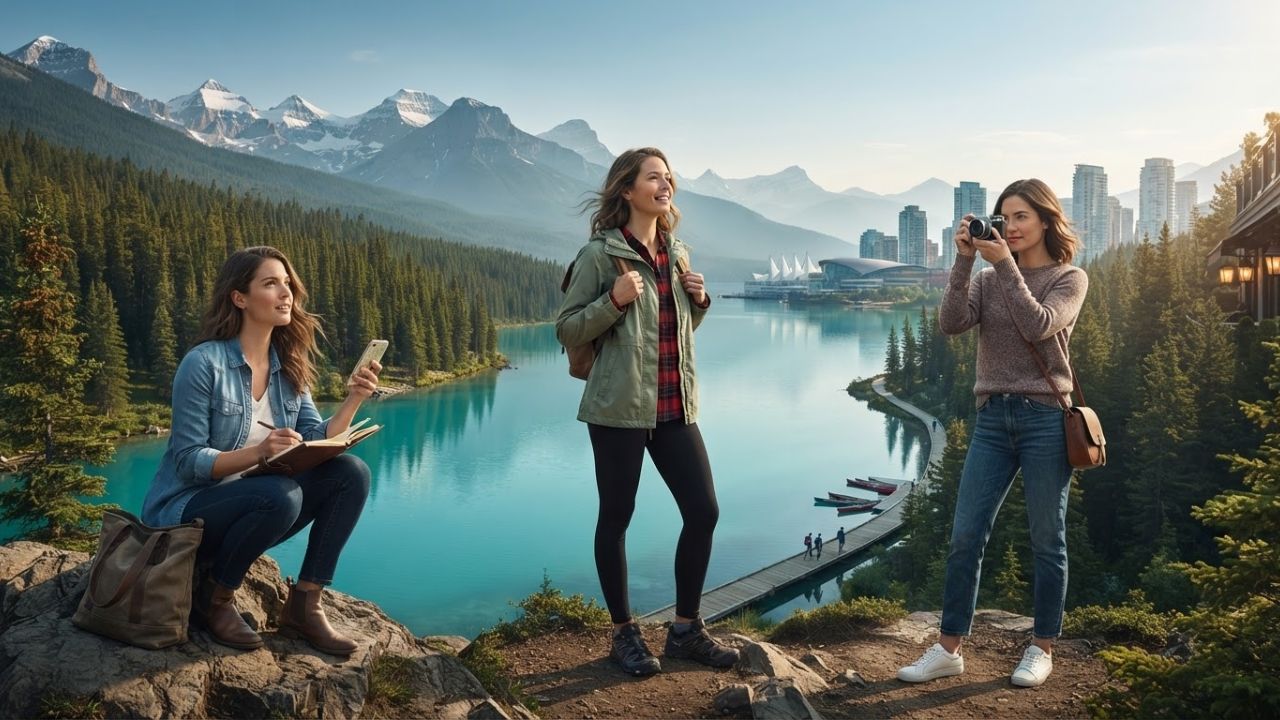
Image generated by AI
Ranking sixth on the global index of premier destinations for independent exploration in 2026, Canada is recording a significant surge in solo travel interest across both urban centers and wilderness regions.
The country's high rating is supported by positive evaluations of infrastructure accessibility, public safety, regional transit networks, and diverse cultural programs. Booking data reveals that travelers seek highly customizable itineraries, moving from multicultural metropolitan areas to remote natural reserves within a single trip. For destination marketing organizations, the growth of this travel segment highlights the importance of providing tailored information, safety resources, and flexible reservation options for solo travelers.
The Local Trend Revealed: Flexible Customization in Independent Stays
The rise of independent travel across North America reflects a broader shift where visitors prioritize scheduling control, cultural discovery, and outdoor activities over structured tour itineraries. Rather than booking predefined group packages, solo travelers are designing multi-city journeys that combine culinary tours, museum visits, and wilderness hikes. This travel style supports regional economies by distributing visitor spending across local boutique hotels, public transit, and independent dining options.
The national promotion of these itineraries is coordinated by regional tourism bodies, including Destination Toronto and Tourisme Montréal, which provide dedicated guides highlighting safety, walkability, and social opportunities for solo travelers. By focusing on pedestrian-friendly infrastructure and transit connections, cities make it simpler for visitors to explore diverse neighborhoods at their own pace. According to tourism data from Parks Canada, independent travelers represent a growing demographic that actively supports environmental conservation programs and community-led heritage sites.
Solo Travel Rankings and Destination Parameters
The 2026 rankings highlight ten distinctive Canadian destinations that cater to different styles of independent travel. The top selections offer a balanced mix of high-energy cities, coastal towns, and Alpine resort environments.
The following table details the top ten Canadian destinations for independent travelers, including their primary appeal and key transit profiles:
| Rank | Destination | Primary Solo Travel Appeal | Core Regional Experience | Transit Infrastructure |
|---|---|---|---|---|
| 1 | Toronto | Urban diversity, public safety | CN Tower, Royal Ontario Museum, Distillery District | Walkable city center, subway integration |
| 2 | Vancouver | Coastal scenery, outdoor activities | Stanley Park, Granville Island, forest trails | Skytrain network, pedestrian pathways |
| 3 | Montréal | Culinary heritage, festivals | Old Montréal, Mount Royal, local food tours | Extensive metro system, walkable streets |
| 4 | Québec City | Historic architecture, French culture | Old Québec, Château Frontenac, Plains of Abraham | Walkable historic district, regional rail |
| 5 | Calgary | Metropolitan services, Rockies gateway | City museums, culinary tours, park systems | Light rail transit, highway connections |
| 6 | Banff | Alpine landscapes, outdoor adventure | Lake Louise, mountain hiking, national park trails | Public shuttle systems, organized group tours |
| 7 | Ottawa | National history, cultural institutions | Parliament Hill, Rideau Canal, National Gallery | Centrally located attractions, bike paths |
| 8 | Victoria | Relaxed coastal pace, heritage gardens | Inner Harbour, whale watching, historic sites | Compact walking corridors, ferry transit |
| 9 | Halifax | Maritime culture, historic waterfront | Halifax Citadel, harbour boardwalk, museums | Walkable waterfront, local ferry routes |
| 10 | Whistler | Year-round mountain sports, wellness | Skiing, mountain biking, wellness retreats | Concentrated resort village, pedestrian zones |
This geographic diversity allows travelers to customize their journeys, combining urban exploration with wilderness activities depending on the season and travel duration.
Geographic Reach and Destination Parameters
Toronto leads the national ranking due to its high density of cultural attractions and pedestrian-friendly layout. Independent visitors can navigate the city center using the integrated subway network, moving between major museums, performance venues, and culinary districts like the Distillery District. For outdoor-focused travelers, Vancouver offers an efficient transit corridor linking coastal beaches, urban forests like Stanley Park, and nearby mountain trails, making it practical to change travel styles without changing destinations.
In eastern Canada, Montréal and Québec City attract history and architecture enthusiasts by offering pedestrian-scaled neighborhoods filled with historic stone buildings, local boutiques, and traditional markets. These destinations provide a distinct European-style street environment in North America, where walking without a fixed itinerary is a popular activity. Meanwhile, coastal hubs like Victoria on the Pacific and Halifax on the Atlantic offer a slower pace, where travelers can focus on maritime history, local seafood dining, and scenic waterfront trails.
Community Stewardship and Sustainable Travel Initiatives
For the visitor, the real impact of solo travel is the opportunity to engage in community-focused stewardship programs that support regional economies and protect delicate environments. In destination areas like Banff National Park and Whistler, conservation groups encourage independent travelers to use public shuttle services instead of renting private vehicles, reducing emission levels on sensitive mountain roads.
Supporting local businesses is vital to preserving the distinct character of these destinations. Travelers are encouraged to buy goods from local artists, dine at community-owned restaurants, and stay in small family-run lodges. Choosing certified sustainable tour operators for activities like whale watching in Victoria or hiking in Banff ensures that tourism revenues directly fund local wildlife protection and environmental education programs.
Safety and Travel Planning Advice for Solo Explorers
Independent travelers can optimize their Canadian itineraries by using these practical tips:
- Navigating Wilderness Areas: When exploring national parks like Banff, register your hiking plans with local park offices and carry bear safety equipment. Always stick to marked trails and verify weather forecasts before departure.
- Using Regional Transit: Save on transport costs by utilizing integrated city transit cards, such as Toronto's Presto card or Vancouver's Compass card, which provide seamless access to buses, subways, and local ferries.
- Sampling Culinary Specialties: Try local dining highlights, including poutine in Montréal, fresh Pacific salmon in Vancouver, and traditional lobster rolls in Halifax.
- Under-the-Radar Spot: Visit the historic Distillery District in Toronto during weekday mornings to explore local art galleries and coffee shops away from the weekend tourist crowds.
Key Takeaways
- Global Rank: Canada ranks 6th globally on the index of premier solo travel destinations for 2026, reflecting high safety and accessibility ratings.
- Top Destinations: Toronto, Vancouver, and Montréal lead the top ten, offering a diverse mix of urban culture, history, and outdoor recreation.
- Transit Integration: Integrated transit systems in major cities make independent navigation simple and affordable for solo travelers.
- Sustainable Focus: Solo travelers are encouraged to use public shuttles in national parks and support local merchants to promote sustainable tourism.
FAQ
Is Canada safe for solo travelers?
Yes, Canada is widely recognized as one of the safest countries in the world for independent travelers, with low crime rates and well-developed emergency services.
Which city is best for first-time solo travelers in Canada?
Toronto is highly recommended for first-time solo travelers due to its walkable design, simple transit system, and diverse range of cultural attractions.
How can solo travelers access Banff National Park without a car?
Banff offers public transit shuttle systems that connect the town center with major park attractions, including Lake Louise and Moraine Lake.
Related Travel Guides
- Stockholm and Visby Labeled Overrated as 2026 Travel Trends Shift Toward Authentic Swedish Experiences
- Missouri Flash Flood Emergency 2026: National Weather Service Data Reveals Survival Lessons for Campgrounds in Iron and Reynolds Counties
- Air Canada Adds Backup Capacity and Flexible Rebooking as WestJet Flight Attendant Strike Threat Looms Over August Long Weekend 2026
Disclaimer
This article is for informational and educational purposes only. It does not constitute legal, financial, or professional advice. While we strive to provide accurate and up-to-date information, travel policies, regulations, and conditions change rapidly. Always verify information with official sources before making travel decisions. Nomad Lawyer makes no representations about the accuracy, reliability, completeness, or suitability of the information provided. Readers should consult qualified professionals for advice specific to their circumstances. The views expressed in this article are those of the author and do not necessarily reflect the views of Nomad Lawyer.