
Canada Issues Security and Visa Alerts for France and Denmark Travel in 2026
Canada has updated travel advisories for France and Denmark, emphasizing heightened security awareness, risks of petty crime, and the upcoming ETIAS authorization requirements for 2026.

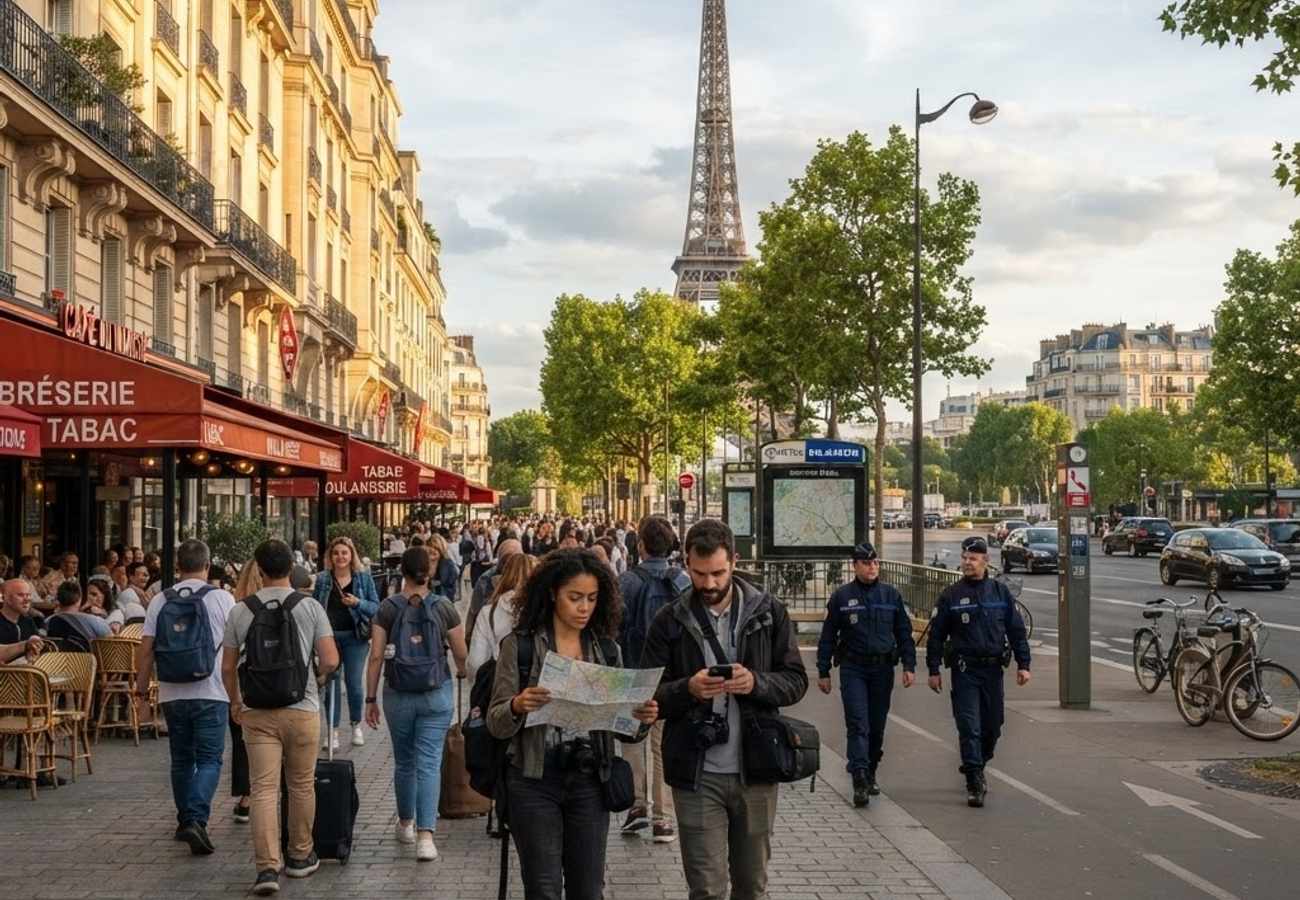
Image generated by AI
International visitors to France and Denmark are urged to maintain high security awareness following new guidance from Canada. While travel is not discouraged, the advisory highlights critical risks ranging from terrorism and petty crime to new digital threats and evolving border entry requirements.
The latest guidance from Canada underscores a shift in European travel, where visiting historic landmarks and business hubs now requires a more proactive approach to personal safety and administrative compliance. France and Denmark remain top-tier global destinations, but the complexity of modern security environments means travellers must stay informed about local protocols and upcoming regulatory changes.
Security Frameworks and Terrorism Risks in France
France continues to be a primary target for terrorism due to its global profile. Canada advises a high degree of caution, noting that while France has robust defense systems, the threat remains persistent in high-traffic areas.
The French government employs two primary mechanisms to mitigate these risks: Vigipirate, a national framework for terrorism response with varying alert levels, and Operation Sentinelle, which deploys military personnel to support police and gendarmerie in sensitive zones.
Visitors should expect the following impacts on their travel experience:
| Security Measure | Impact On Travellers |
|---|---|
| Increased police presence | More visible security patrols around attractions and transport areas |
| Security checks | Longer waiting times at some venues and events |
| Military deployment | Additional protection in crowded public spaces |
| Monitoring systems | Faster responses during security incidents |
Specific areas of focus for security personnel include:
- Tourist Attractions: High-density visitor sites, particularly within Paris.
- Transport Networks: Major airports, railway stations, and transit hubs.
- Cultural Venues: Event centers, concert halls, and entertainment districts.
- Hospitality Areas: Hotels, bars, cafés, and restaurants.
- Public Gatherings: Political events, sporting matches, and festivals.
Addressing the Prevalence of Petty Crime and Digital Threats
Beyond organized security threats, the advisory emphasizes the frequency of "opportunity crimes" targeting tourists. Pickpocketing, bag snatching, and mobile phone theft are common in crowded districts where criminals use distraction techniques—such as spilling drinks or initiating unsolicited conversations—to separate travellers from their valuables.
High-risk zones for petty crime include shopping centers, hotel lobbies, public transport connections, and outdoor cafés.
Essential Safety Protocols for Visitors:
- Document Security: Secure passports and essential documents to avoid identity theft or travel delays.
- Financial Prudence: Limit the amount of cash carried and exercise extreme caution at ATMs to prevent fraud.
- Redundancy: Maintain digital and physical copies of passports to facilitate faster recovery after a loss.
The advisory also extends to the digital realm. With the ubiquity of smartphones for navigation and payment, cybercrime is a growing concern. Travellers are warned against using unknown charging stations, relying on unsecured public Wi-Fi, or sharing real-time travel itineraries on social media.
Security Outlook for Denmark
Denmark is generally perceived as a safe destination, yet Canada’s updated advisory insists that security awareness is necessary regardless of a country's safety record. The threat of terrorism persists, particularly targeting government institutions, religious sites, and transport infrastructure.
Visitors are encouraged to remain vigilant during public celebrations, religious holidays, and large-scale sporting events.
Crime Trends in Danish Urban Centers While less frequent than in some other capitals, petty crime in Denmark often peaks during holiday seasons. Professional thieves may blend in by dressing well to target high-end hotel lobbies and restaurants.
| Location | Common Risk |
|---|---|
| Tourist areas | Pickpocketing and bag theft |
| Public transport | Theft during crowded journeys |
| Hotels | Theft from unattended luggage |
| Restaurants | Distraction-based theft |
Navigating Civil Unrest and Transport Disruptions
Both France and Denmark are prone to public demonstrations. Even peaceful protests can lead to unpredictable outcomes, including road closures, transit delays, and a heavy police presence in city centers.
In France specifically, industrial action and strikes in the aviation and railway sectors are common. Travellers are advised to:
- Monitor local media for strike notices.
- Verify transport schedules immediately before departure.
- Build extra time into transfers and consider alternative routing.
ETIAS: The New Era of European Border Management
A significant administrative shift is approaching for visa-exempt travellers. The European Travel Information and Authorisation System (ETIAS) will introduce a mandatory electronic pre-screening process.
Unlike a traditional visa, ETIAS is a security authorization designed to strengthen border management. Once operational, eligible travellers must apply online before arriving in participating European countries.
| ETIAS Travel Requirement | Details |
|---|---|
| Application method | Online application |
| Purpose | Pre-travel security authorisation |
| Applies to | Eligible visa-exempt travellers |
| Countries covered | Participating European countries |
Stay alert, stay documented, and prioritize digital hygiene when traversing Europe.
Related Travel Guides
Disclaimer
This article is for informational and educational purposes only. It does not constitute legal, financial, or professional advice. While we strive to provide accurate and up-to-date information, travel policies, regulations, and conditions change rapidly. Always verify information with official sources before making travel decisions. Nomad Lawyer makes no representations about the accuracy, reliability, completeness, or suitability of the information provided. Readers should consult qualified professionals for advice specific to their circumstances. The views expressed in this article are those of the author and do not necessarily reflect the views of Nomad Lawyer.
Raushan Kumar
Founder & Lead Developer
Full-stack developer with 11+ years of experience and a passionate traveller. Raushan built Nomad Lawyer from the ground up with a vision to create the best travel and law experience on the web.
Learn more about our team →