
IMD Issues Orange Alert for South and Central India: Heavy Rain and Thunderstorms Threaten Travel in 2026
The India Meteorological Department has issued an orange alert for Kerala, coastal Karnataka, Odisha, and Chhattisgarh, warning of severe travel disruptions due to heavy monsoon rainfall.

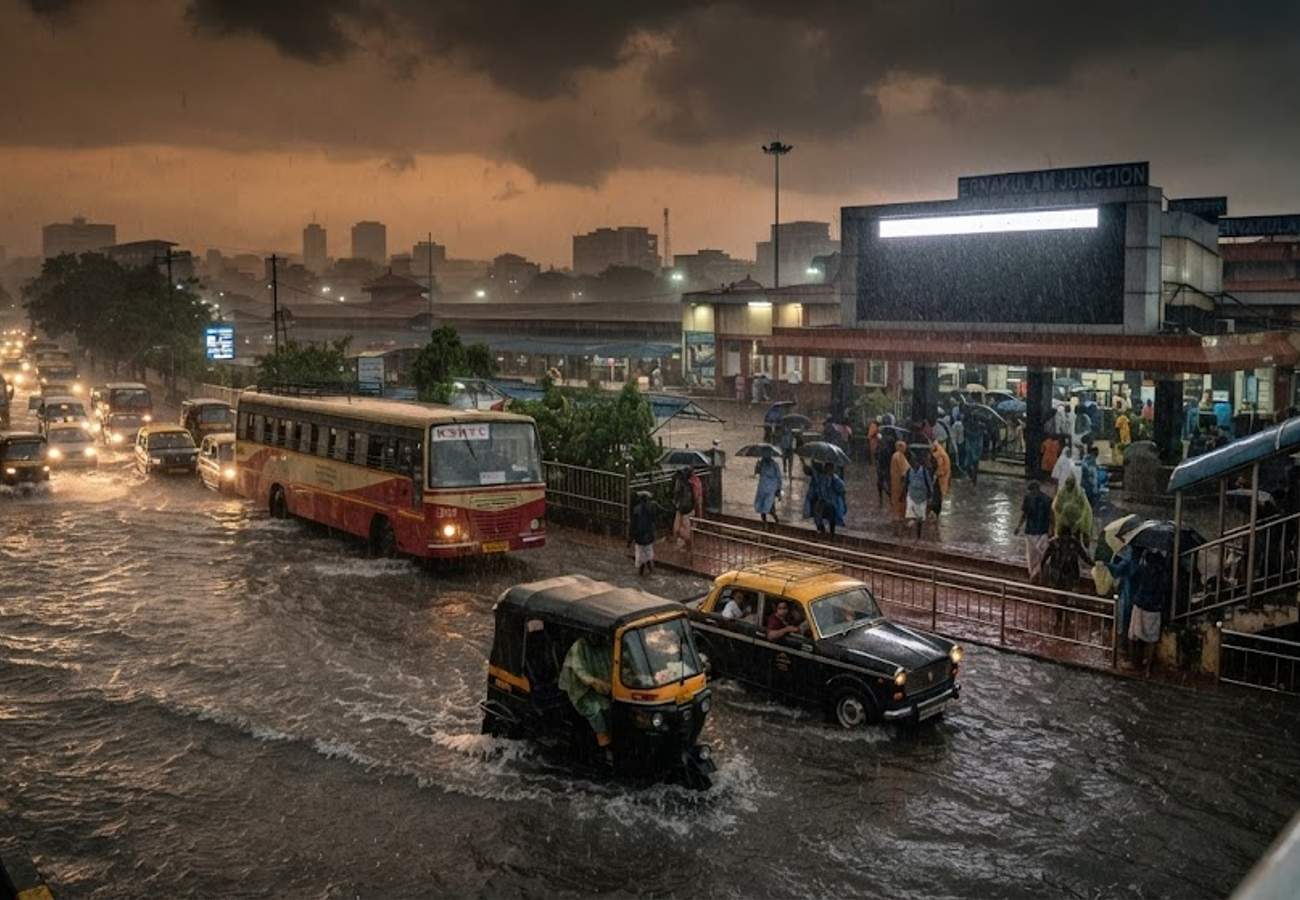
Image generated by AI
Heavy rain and thunderstorms have triggered an IMD orange alert across South and Central India, specifically impacting Kerala, coastal Karnataka, Odisha, and Chhattisgarh. Travelers should prepare for significant waterlogging and systemic delays in road, rail, and air transport.
The Monsoon Shift: Regional Disruptions Revealed
The India Meteorological Department (IMD) has flagged a surge in monsoon activity, placing several key regions under an orange alert. This isn't merely a forecast of rain but a warning of potential operational paralysis in specific corridors. The current weather pattern is characterized by intense thunderstorms and lightning, which directly compromise visibility and infrastructure stability.
For those navigating the southern and central belts, the impact is most acute in Kerala, coastal Karnataka, Odisha, and Chhattisgarh. In these zones, the intersection of heavy rainfall and existing urban drainage challenges often leads to rapid waterlogging, turning standard commutes into hours-long ordeals.
Cultural & Environmental Value: Navigating the Green Season
While weather alerts suggest caution, the monsoon is a cornerstone of India's cultural and environmental identity. The "Green Season" transforms the Western Ghats and the coastal plains into lush sanctuaries, fueling the waterfalls and backwaters that define the region's tourism.
For the visitor, the real impact is a shift in pace. The monsoon forces a transition from high-energy sightseeing to a more contemplative, slow-travel experience. Supporting local eco-tourism initiatives during this period—such as staying in traditional homestays that employ sustainable water harvesting—helps distribute tourism revenue to community-led businesses that maintain the land year-round. By shifting expectations from "checking off landmarks" to "experiencing the climate," travelers can reduce the pressure on overstretched urban infrastructure during peak rain events.
Visitor Insider Tips
Navigating an orange alert requires more than just an umbrella; it requires local intelligence.
- The "Buffer Hour" Rule: During orange alerts, add a minimum of 90 minutes to any airport or railway station transfer. Waterlogging in cities like Kochi or Bhubaneswar can turn a 30-minute drive into a two-hour crawl.
- Off-Peak Movement: Schedule inter-city travel for the early morning hours (4:00 AM to 7:00 AM), as thunderstorms in these regions frequently peak in the late afternoon and evening.
- Hyper-Local Monitoring: Don't rely solely on national forecasts. Use district-level government advisories, as rainfall in India can be extremely localized—one district may be flooded while the next is merely drizzling.
- Dining Specialty: This is the prime season for Pakoras and Masala Chai at local roadside stalls. Embracing these seasonal comforts is a core part of the Indian monsoon experience.
- Gear Check: Invest in high-quality, breathable waterproofs rather than umbrellas, which are often useless against the high winds accompanying thunderstorms.
Transport Impact Analysis
Extreme weather rarely shuts down the entire network, but it introduces a layer of unpredictability.
| Transport Mode | Primary Risk | Traveler Impact |
|---|---|---|
| Aviation | Low visibility & wind shear | Flight delays and occasional diversions |
| Railways | Track flooding & landslides | Operational precautions leading to schedule slips |
| Roadways | Waterlogging & debris | Slower highway movement and reduced visibility |
| Local Transit | Urban flooding | Temporary suspension of rickshaws/buses in low-lying areas |
Tourism Outlook
The long-term resilience of India's tourism depends on the adaptation of its transport networks. As weather patterns become more volatile, the industry is moving toward "flexible scheduling." We are seeing a rise in digital integration where airlines and hotels provide real-time, weather-triggered rescheduling options. For destinations like Kerala's backwaters or Odisha's heritage sites, the focus is shifting toward climate-resilient infrastructure to ensure that the monsoon remains an attraction rather than a deterrent.
Stay flexible, stay informed, and embrace the rhythm of the rain.
Related Travel Guides
Disclaimer
This article is for informational and educational purposes only. It does not constitute legal, financial, or professional advice. While we strive to provide accurate and up-to-date information, travel policies, regulations, and conditions change rapidly. Always verify information with official sources before making travel decisions. Nomad Lawyer makes no representations about the accuracy, reliability, completeness, or suitability of the information provided. Readers should consult qualified professionals for advice specific to their circumstances. The views expressed in this article are those of the author and do not necessarily reflect the views of Nomad Lawyer.
Kunal K Choudhary
Co-Founder & Contributor
A passionate traveller and tech enthusiast. Kunal contributes to the vision and growth of Nomad Lawyer, bringing fresh perspectives and driving the community forward.
Learn more about our team →