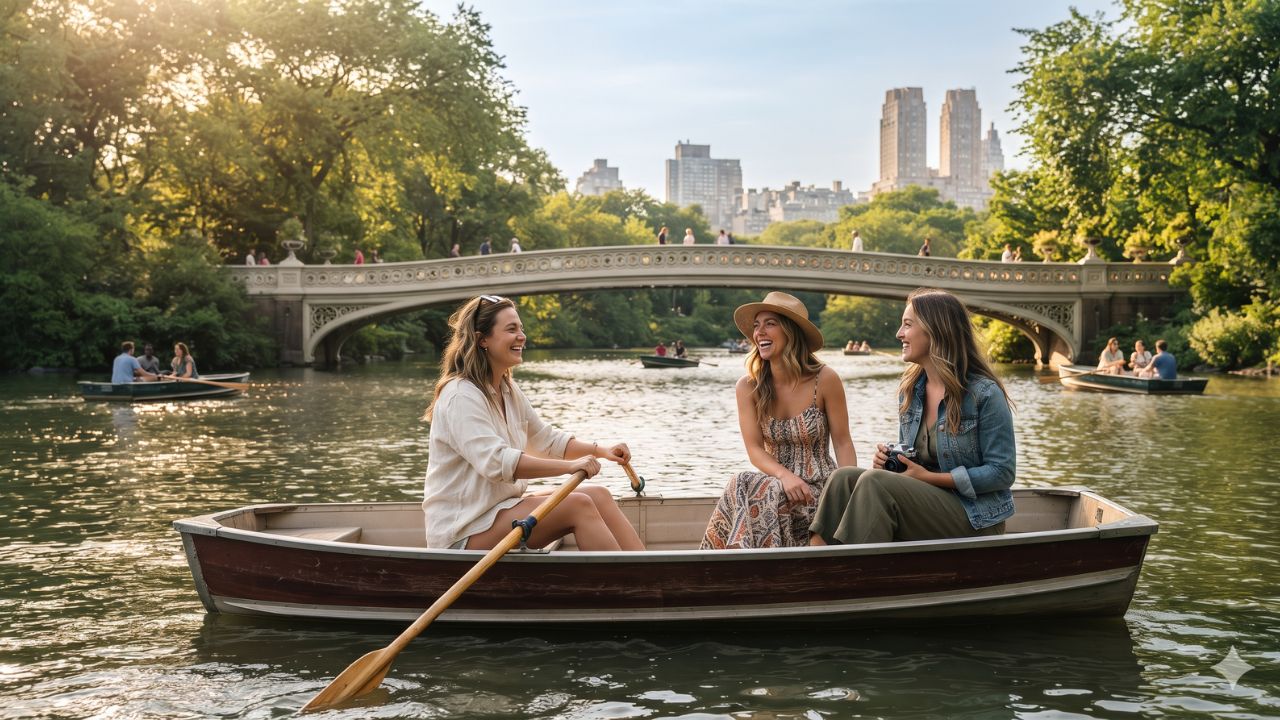
Canada Ranked World's Safest Country for 2027 as US Travelers Prioritize Provincial Parks and Worry-Free Trails

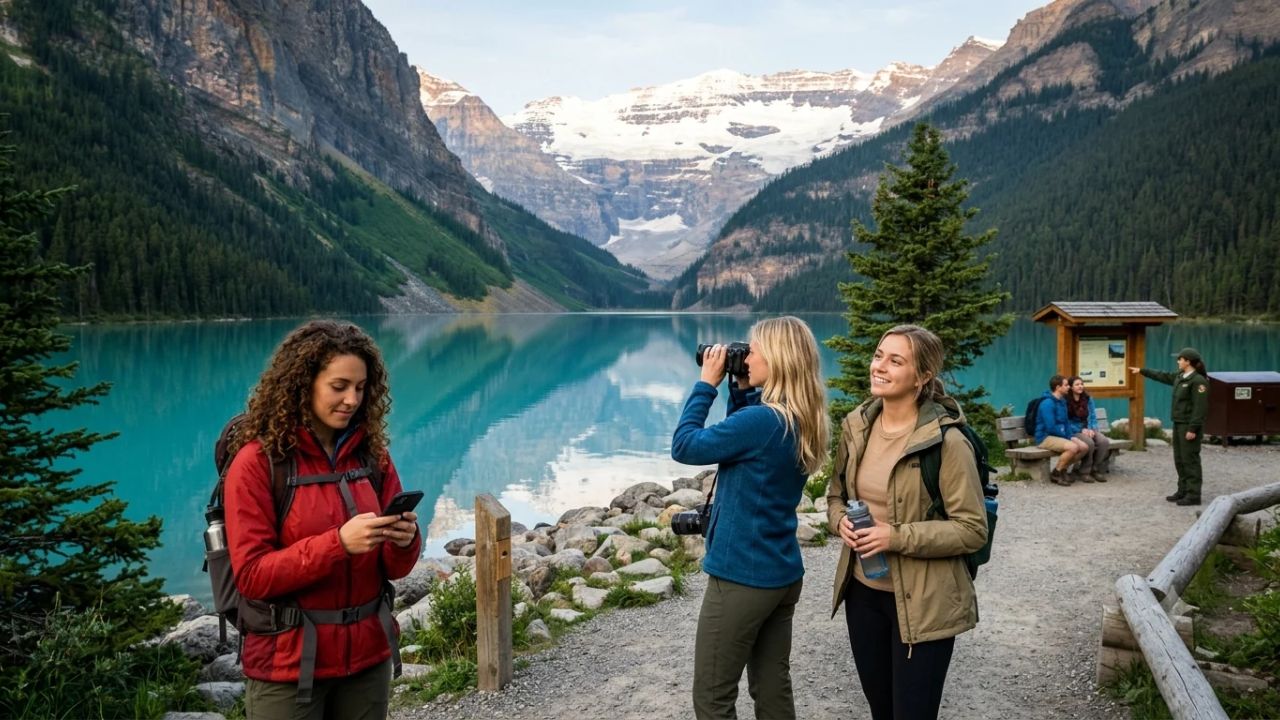
TORONTO / OTTAWA — In a defining structural shift in international travel sentiment, Canada has captured the title of the world’s safest country to visit for 2027, according to the annual Safest Destinations index published by Berkshire Hathaway Travel Protection (BHTP) alongside granular urban safety evaluations from GeoSure Global.
Earning an elite global composite score of 82.47 out of 100, Canada climbed from fifth position in previous assessments directly into the premier global ranking, displacing traditional European leaders including the Netherlands, Iceland, and Switzerland.
This accomplishment reflects an alignment between world-class public health infrastructure, progressive civil rights protections, welcoming community governance, and an extensive, professionally managed provincial and national park system.
At a time when international vacationers are increasingly avoiding congested metropolitan centers and geopolitically volatile regions, American travelers are crossing the northern border in record volumes, seeking the tranquility of crystalline glacial lakes, protected boreal forests, and safe backcountry trail networks.
Complementing the national victory, Montréal achieved an upset in the companion metropolitan index, soaring from 16th place in 2026 to be crowned the No. 1 Safest City in the World for 2027 with a composite score of 82.18. By pairing secure, walkable urban centers with vast wilderness reserves, Canada has established a benchmark for modern, worry-free eco-tourism.
       BERKSHIRE HATHAWAY TRAVEL PROTECTION (BHTP) 2027 SAFETY CROWN

  Global Rank: #1 Worldwide                  Composite Score: 82.47 / 100
  Companion Urban Rank: Montréal #1          Urban Score: 82.18 / 100

  CORE SUBCATEGORY GLOBAL STANDINGS:
  - Inclusivity & Diversity Protections:     RANK #1 WORLDWIDE
  - Violent Crime Defense:                  RANK #2 WORLDWIDE
  - Counter-Terrorism & Civil Stability:    RANK #2 WORLDWIDE
  - Health & Emergency Medical Standards:   RANK #2 WORLDWIDE
  - Transportation & Transit Safety:        RANK #4 WORLDWIDE
The Analytical Framework: Why Canada Captured the Top Ranking
The BHTP Safest Destinations report is recognized as one of the travel industry’s most rigorous empirical assessments, combining consumer survey data from thousands of experienced American travelers with independent third-party indices. The evaluation incorporates statistical ratings from the Global Peace Index, Numbeo safety assessments, and GeoSure Global’s localized neighborhood analytics, which track real-time conditions down to specific municipal zip codes.
Canada’s ascent to the top position was driven by exceptional performance across five foundational safety pillars:
- Inclusivity and Civil Rights Leadership (Rank #1 Worldwide): Canada secured the top global ranking for the safety of solo female travelers, LGBTQIA+ explorers, and travelers of color. Clear legal protections under the Canadian Charter of Rights and Freedoms, coupled with equitable public spaces, ensure that international visitors travel free from institutional discrimination, street harassment, or identity-based hostility.
- Low Rates of Violent Crime (Rank #2 Worldwide): With strict firearm regulations, effective community policing, and equitable social safety nets, Canadian urban centers and rural municipalities maintain low rates of violent personal crime, allowing visitors to walk, cycle, and use public transit late into the evening.
- Political Stability and Counter-Terrorism (Rank #2 Worldwide): Supported by stable democratic institutions, transparent rule of law, and coordinated federal intelligence through the Royal Canadian Mounted Police (RCMP), the country provides a secure, predictable environment insulated from geopolitical instability.
- Healthcare and Emergency Preparedness (Rank #2 Worldwide): Canada’s universal medical infrastructure guarantees that emergency facilities, trauma centers, and regional health clinics maintain high medical standards. Even in remote gateways, aeromedical evacuation networks (such as STARS air ambulance in Western Canada and Ornge in Ontario) provide rapid emergency response.
- Transportation and Highway Infrastructure (Rank #4 Worldwide): The nation features well-maintained transcontinental highway systems (including the Trans-Canada Highway), regulated intercity passenger rail networks operated by VIA Rail, and modern municipal transit fleets, minimizing transit-related accidents.
| BHTP 2027 Safest Countries | Composite Score | Key Operational Strength | Primary Traveler Demographic |
|---|---|---|---|
| 01. Canada | 82.47 | Universal inclusivity, low violent crime, provincial parks | Affluent ($350k+ HHI), Families, Gen Z |
| 02. New Zealand | 81.31 | #1 in violent crime prevention, road civility | Adventure travelers, solo hikers |
| 03. Australia | 80.82 | Strict biosecurity, surf lifesaving, urban security | Beach lovers, wildlife eco-tourists |
| 04. Iceland | 78.85 | Geothermal safety civil defense, low theft | Photographers, road trippers |
| 05. Japan | 78.20 | Punctual rail, near-zero street crime, cultural courtesy | Gen Z, solo female travelers |
| 06. Austria | 77.90 | Alpine mountain rescue networks, clean lakes | Cultural city-breakers, hikers |
| 07. Ireland | 77.45 | Low violent crime, scenic coastal driving | Multi-generational road trips |
| 08. Netherlands | 76.80 | Modern transit, cycle safety (minor theft drag) | Urban cultural explorers |
| 09. Denmark | 76.50 | Scandinavian civil trust, cycle-first design | Families, design enthusiasts |
| 10. Portugal | 75.95 | Low geopolitical friction, peaceful villages | Budget-conscious independent travelers |
Montréal: The World’s Safest City for 2027
A major story within the 2027 BHTP report is the ascent of Montréal. Climbing 15 spots from its 16th-place ranking in 2026, Quebec’s cultural metropolis achieved the No. 1 ranking globally among international cities, earning a composite score of 82.18.
Montréal outpaced traditional urban leaders, including Zurich (81.03), Amsterdam (80.81), Tokyo, and Reykjavik. On granular safety platforms like GeoSure Global, Montréal’s diverse neighborhoods—including Plateau-Mont-Royal, Mile End, Outremont, and Old Montréal (Vieux-Montréal)—consistently logged localized safety scores in the high 80s, well above international metropolitan baselines.
       BHTP 2027 SAFEST CITIES IN THE WORLD: TOP FIVE RANKING

  Rank   Metropolitan Center     Country          Composite Score
  -----------------------------------------------------------------------------
   01    Montréal                Canada           82.18 / 100  (Historic #1)
   02    Zurich                  Switzerland      81.03 / 100
   03    Amsterdam               Netherlands      80.81 / 100
   04    Tokyo                   Japan            80.45 / 100
   05    Reykjavik               Iceland          79.90 / 100
American visitors and international evaluators praised Montréal’s distinctive urban character. The city blends North American efficiency with European architectural heritage, featuring 17th-century stone facades, cobbled streets, and the iconic Notre-Dame Basilica in Old Montréal.
The city’s safety is supported by the Société de transport de Montréal (STM) Metro network, which operates clean, rubber-tired underground trains that run quietly and safely late into the night.
During the summer and autumn months, the city transforms major commercial avenues—such as Mont-Royal Avenue, Rue Sainte-Catherine, and Wellington Street—into pedestrianized thoroughfares filled with terraced cafes, public art installations, and family-friendly street performances.
Supported by Mount Royal Park (Parc du Mont-Royal), an expansive urban green space designed by Frederick Law Olmsted, Montréal allows visitors to enjoy natural recreation within minutes of the downtown core without the underlying tension found in many large global cities.
A distinctive feature of Montréal's urban security infrastructure is its underground pedestrian network, known as RÉSO or the Underground City (la ville souterraine). Spanning more than 33 kilometers of interconnected, climate-controlled, and well-lit subterranean passageways beneath the downtown core, RÉSO links ten major metro stations, premier hotels, shopping complexes, concert halls, and office towers.
During harsh sub-zero winter temperatures or severe snowstorms, travelers can navigate between cultural venues, restaurants, and transit hubs completely protected from the elements within an environment monitored by dedicated security personnel.
Complementing physical infrastructure, the Service de police de la Ville de Montréal (SPVM) operates specialized community-policing and tourist assistance brigades across Old Port, the Quartier des Spectacles entertainment district, and downtown shopping sectors. Officers conduct foot and bicycle patrols, providing multi-lingual directions, preventing petty property crime, and maintaining an open, approachable presence that reassures solo travelers and international families.
The Wilderness Assurance Architecture: Provincial Parks and Eco-Trails
While Canada’s cosmopolitan centers provide culture and comfort, the primary attraction for millions of crossing-border American travelers remains the country’s vast ecological landscape. Independent holidaymakers and families are moving away from congested resort enclaves in favor of protected provincial parks and backcountry reserves.
Exploring wild landscapes carries natural challenges, from rugged terrain to unpredictable weather and remote distances. However, Canada has developed what conservation planners term a "Wilderness Assurance Architecture"—a management system that allows visitors to experience untamed nature safely.
CANADA'S WILDERNESS ASSURANCE FRAMEWORK
| Column 1 |
|---|
| PROVINCIAL & FEDERAL PARK COLLABORATION: |
| - Unified trail maintenance standards across Ontario, BC, Quebec & Alberta |
| - Geo-referenced trail signage preventing disorienting backcountry detours |
| - Active ranger stations tracking daily wildlife activity & microclimates |
| INFRASTRUCTURE & PRECAUTIONARY SAFEGUARDS: |
| - Mandatory bear-proof food storage lockers and hanging cables at all sites |
| - Managed permit allocation systems to prevent ecological trail erosion |
| - Solar-powered satellite SOS emergency beacons in high-elevation passes |
| - Rigorous water quality monitoring at designated backcountry water points |
Four regional park systems illustrate this management model:
1. Ontario Parks: Algonquin and Killarney
Encompassing 7,653 square kilometers of maple-covered hills, rocky ridges, and more than 2,000 glacial lakes, Algonquin Provincial Park is an iconic destination for Canadian canoe tripping and hiking. Located three hours north of Toronto, the park operates an extensive network of portage routes and backcountry trails supported by clear, color-coded signage and designated campsites equipped with individual box privies and fire rings.
Further northwest, Killarney Provincial Park showcases the white quartzite ridges of the La Cloche Mountains. Ontario Parks requires all backcountry travelers to register exact itineraries, provides mandatory bear-safety orientations, and conducts aerial patrols to assist hikers in distress.
2. BC Parks: Pacific Rim and Garibaldi
In British Columbia, BC Parks manages some of the continent's most dramatic coastal and alpine environments. Along Vancouver Island’s west coast, the Pacific Rim region features temperate coastal rainforests, expansive beaches, and elevated boardwalks that protect fragile wetland bogs while providing safe passage over mud and tidal zones.
In the Coast Mountains near Whistler, Garibaldi Provincial Park provides hikers with maintained trails ascending to turquoise glacial waters beneath Mount Garibaldi. BC Parks utilizes a digital day-use pass system during peak summer months, regulating vehicle access to trailheads to prevent trail congestion, preserve ranger-to-hiker ratios, and protect delicate alpine meadows from foot traffic erosion.
3. Sépaq (Société des établissements de plein air du Québec)
In Quebec, Sépaq manages an expansive network of 24 national parks (provincial classification) known for quality facilities. Destinations such as Parc national du Mont-Tremblant, Parc national de la Jacques-Cartier, and Parc national de la Gaspésie offer well-marked trails, heated warming huts (refuges) along multi-day trekking routes, and modern eco-cabins (chalets EXP).
Sépaq rangers provide multi-language briefings on local wildlife, monitor water quality, and maintain emergency communications across remote river valleys.
4. Alberta Parks: Kananaskis Country
Framing the eastern slopes of the Canadian Rockies adjacent to Banff National Park, Kananaskis Country (K-Country) encompasses a multi-use recreation area of provincial parks, including Peter Lougheed Provincial Park and Spray Valley Provincial Park.
Funded in part by the provincial Kananaskis Conservation Pass, the region maintains world-class alpine hiking, cross-country ski trails, and mountain biking routes. Alberta Parks deploys conservation officers who monitor grizzly bear corridors, enforce mandatory food-storage regulations, and close specific trails dynamically when bear activity is detected, protecting both hikers and wildlife.
A cornerstone strengthening Canada’s outdoor safety network is the rapid expansion of authentic Indigenous-led tourism partnerships. Working in close collaboration with the Indigenous Tourism Association of Canada (ITAC), provincial park agencies are co-managing conservation lands with First Nations, Inuit, and Métis communities.
Indigenous guides provide visitors with invaluable traditional ecological knowledge, teaching travelers how to read subtle animal tracks, recognize changing mountain weather patterns, and navigate ancestral waterways respectfully. This cultural stewardship enriches the travel experience while instilling an ethic of wilderness preservation that minimizes outdoor accidents.
Backing up provincial rangers is a world-class federal search-and-rescue (SAR) network. Ground search volunteers trained under the Search and Rescue Volunteer Association of Canada (SARVAC) work alongside the Royal Canadian Air Force (RCAF) Joint Rescue Coordination Centres (JRCC in Victoria, Trenton, and Halifax). Operating specialized CH-149 Cormorant helicopters and CC-130 Hercules aircraft equipped with night-vision systems and thermal imaging, Canadian rescue crews provide emergency air-evacuation coverage across millions of square kilometers of untamed backcountry.
               PROVINCIAL PARK HIGHLIGHTS FOR ECO-TRAVELERS

  Park System         Flagship Reserve         Distinctive Ecological Feature
  -----------------------------------------------------------------------------
  Ontario Parks       Algonquin Provincial     2,000+ glacial lakes, canoe routes,
                      Park                     boreal forest, moose habitats

  BC Parks            Garibaldi Provincial     Glacial turquoise lakes, alpine
                      Park                     ridges, volcanic geology

  Sépaq (Québec)      Jacques-Cartier          Deep glacial river valley, autumn
                      National Park            foliage, moose & beaver corridors

  Alberta Parks       Peter Lougheed           High-alpine passes, grizzly corridors,
                      (Kananaskis)             crystalline limestone peaks
Demographic Alignment: Who Is Traveling to Canada?
A key finding of the BHTP 2027 report is that Canada’s appeal spans every major demographic segment of the traveling public:
The Affluent and Luxury Segment (Rank #1 Worldwide)
Canada achieved the No. 1 ranking among luxury travelers with annual household incomes exceeding $350,000, as well as those who dedicate more than $25,000 annually to personal vacations. These high-net-worth travelers are drawn to Canada’s exclusive wilderness lodges—such as the remote fly-in floating resorts of Clayoquot Sound on Vancouver Island, heli-hiking lodges in the Purcell Mountains of British Columbia, and luxury glass-domed rail journeys aboard the Rocky Mountaineer.
This demographic values Canada’s ability to deliver remote natural access combined with private charters, fine farm-to-table gastronomy, and discreet personal security.
American Families with Children (Rank #2 Worldwide)
Parents traveling with minor children ranked Canada as their second preferred global destination. For families, the country removes the anxiety associated with international travel. Tap water is safe across all provinces; road regulations are familiar and strictly enforced; violent crime is minimal; and modern pediatric medical care is available in every regional hospital.
In addition, interactive science centers, clean provincial beach parks, and accessible wildlife viewing in places like Jasper and Prince Edward Island make it an approachable vacation choice for multi-generational families.
Generation Z Explorers (Rank #3 Worldwide)
Younger travelers ranked Canada third globally, motivated by a combination of social values and environmental consciousness. Gen Z travelers prioritize destinations that align with their ethical principles, valuing Canada’s progressive human rights record, reconciliation efforts with Indigenous communities, and commitment to environmental conservation.
This cohort frequents budget-friendly wilderness hostels, takes part in community-led trail conservation projects, and explores culinary scenes in Vancouver, Toronto, and Montréal.
Mature and Senior Travelers (Rank #10 Worldwide)
While mature travelers placed Canada tenth, their feedback emphasized the country's accessibility infrastructure. Older travelers appreciate organized motorcoach tours through the Canadian Rockies, barrier-free boardwalks in national parks, well-equipped passenger trains, and the reassurance that their travel insurance will be accepted at respected medical facilities across the provinces.
       DEMOGRAPHIC PREFERENCES AMONG U.S. TRAVELERS (BHTP 2027)

  Demographic Cohort        Global Rank      Primary Motivators
  -----------------------------------------------------------------------------
  Affluent ($350k+ HHI)     #1 Worldwide     Private lodges, luxury rail, heli-hiking
  Families with Children    #2 Worldwide     Safe drinking water, low crime, pediatric care
  Generation Z              #3 Worldwide     Social inclusivity, eco-action, diverse cities
  Mature / Senior Voyagers  #10 Worldwide    Universal accessibility, healthcare access
Global Comparative Analysis: The Top 10 Safety Elite
To understand Canada’s achievement, it is useful to examine the broader top-ten cohort in the BHTP 2027 rankings:
- New Zealand (Rank #2, Score: 81.31): Climbing from sixth place to claim the silver medal, New Zealand earned the world’s top rating for protection against violent personal crime. Its compact South Island landscapes, low crime rates, and community hospitality make it an attractive adventure destination.
- Australia (Rank #3, Score: 80.82): Maintaining its position in the top three for the third consecutive year, Australia combines secure cities like Sydney and Melbourne with vast Outback national parks. Strict biosecurity controls, professional surf-lifesaving networks, and reliable public transit ensure low traveler risk.
- Iceland (Rank #4, Score: 78.85): Despite localized volcanic eruptions along the Reykjanes peninsula, Iceland’s Department of Civil Protection provides organized evacuation planning, real-time SMS alerts, and an environment almost entirely devoid of personal crime.
- Japan (Rank #5, Score: 78.20): Vaulting from ninth into fifth position, Japan remains a benchmark of public order. An exceptionally punctual rail network, near-zero street crime, and clean urban spaces appeal to solo travelers and Gen Z explorers.
- Austria (Rank #6, Score: 77.90): Austria represents Central European stability, featuring pristine alpine hiking routes, clean swimming lakes, and coordinated mountain rescue services.
- Ireland (Rank #7, Score: 77.45): Ireland pairs cultural hospitality with low violent crime and scenic coastal routes along the Wild Atlantic Way, presenting minimal natural disaster risk.
- The Netherlands (Rank #8, Score: 76.80): Slipped from first place to eighth due to minor upticks in urban bicycle theft and congestion along central Amsterdam canals, though overall safety remains high.
- Denmark (Rank #9, Score: 76.50): Denmark climbed into the top ten through cycle-first urban design in Copenhagen, transparent civil institutions, and safe coastal getaways.
- Portugal (Rank #10, Score: 75.95): Rounding out the elite ten, Portugal remains Southern Europe’s preferred peaceful sanctuary, offering historic hamlets, coastal surf spots, and an affordable, low-stress environment.
Essential Advisories: Outdoor Preparedness for Backcountry Visitors
Even within the world’s safest country, wild nature requires preparation and respect. Provincial park authorities and search-and-rescue organizations advise travelers to heed core wilderness protocols:
       ESSENTIAL BACKCOUNTRY SAFETY GUIDELINES

  [ Wildlife Protocols ]
  * Carry EPA-approved bear spray in an accessible holster; know how to discharge it
  * Never store food, toiletries, or scented items inside sleeping tents
  * Utilize metal bear lockers or hang food bags 4m high and 2m from tree trunks
  * Make continuous vocal noise while hiking through dense brush to alert wildlife

  [ Meteorological & Wildfire Awareness ]
  * Monitor the Canadian Wildland Fire Information System (CWIFS) & AQHI ratings
  * Maintain flexible travel plans during summer wildfire windows (July–August)
  * Carry technical clothing layers: mountain temperatures can drop below freezing overnight

  [ Backcountry Communications ]
  * Do NOT rely on cellular phones: deep valleys and boreal parks lack cellular signals
  * Carry a dedicated two-way satellite messenger (e.g., Garmin inReach, ZOLEO)
  * Always leave a written trip plan with a reliable contact or park ranger station
Wildfire Season and Air Quality Tracking
Climate fluctuations in recent years have extended the wildfire season across western and northern boreal regions from late June through August. While actual fire threats to established tourist towns are rare, drifting smoke can temporarily affect visibility and air quality in mountain valleys.
Travelers should monitor Environment and Climate Change Canada’s Air Quality Health Index (AQHI) and utilize apps such as Fireguard to track smoke conditions, maintaining flexible itineraries that allow for regional adjustments if smoke settles into a specific valley.
Wildlife Safety Protocols
Encountering wildlife is an unforgettable part of visiting Canada, but safety must remain the priority. Black bears inhabit almost all forested regions, while grizzly bears roam parts of western Alberta, British Columbia, the Yukon, and the Northwest Territories. Cougars and moose also present potential hazards.
Hikers should always carry bear spray in an instantly accessible holster (never packed away inside a backpack), travel in groups, and speak or sing to alert animals when rounding blind curves. In backcountry campsites, cooking and food storage must take place at least 100 meters away from sleeping tents, with all food locked in bear-proof metal containers or suspended on designated cable systems.
Topographic Preparedness and Satellite Communication
Cellular phone networks cover major highway corridors and urban areas, but signal coverage drops off rapidly within provincial and national park boundaries. Hikers should never rely solely on mobile phones for navigation.
Carrying physical topographic paper maps, a magnetic compass, and a dedicated two-way satellite communicator ensures that emergency messages and GPS coordinates can be transmitted to regional search-and-rescue teams if someone suffers an injury or becomes lost on remote trails.
Cross-Border Logistics and Border Formalities
For American motorists driving across the international boundary, logistics are straightforward. U.S. citizens require a valid passport or Western Hemisphere Travel Initiative (WHTI) compliant document.
Enrolling in trusted traveler programs such as NEXUS or Global Entry provides access to dedicated expedited inspection lanes at major land border crossings (such as Peace Arch in British Columbia, Queenston-Lewiston in Ontario, and Saint-Bernard-de-Lacolle in Quebec).
Drivers should ensure their vehicle insurance cards are valid in Canada and review regulations regarding goods, remembering that firearms, pepper spray intended for humans (as opposed to certified bear spray), and cannabis products cannot be transported across the international boundary under any circumstances.
Winter Recreation Safety and Mountain Highway Regulations
For travelers visiting Canada’s provincial parks and alpine corridors during the snow-covered winter season, specific regulatory and outdoor safety standards apply. Between October 1 and April 30, provincial highway regulations across British Columbia, Alberta, and Quebec mandate that passenger vehicles traveling through designated mountain passes—such as the Coquihalla Highway, the Sea to Sky Highway, and the Trans-Canada Highway through Rogers Pass—must be equipped with certified winter tires displaying the three-peak mountain snowflake symbol or carry rated tire chains.
Backcountry winter sports enthusiasts venturing into avalanche terrain must complete certified avalanche awareness training, carry avalanche rescue beacons, probes, and shovels, and consult daily public avalanche hazard bulletins published by Avalanche Canada before entering provincial backcountry territory.
By pairing world-class urban security in cities like Montréal with a professionally managed provincial park system, Canada has redefined what it means to be a welcoming destination.
For international travelers seeking pristine nature, clean air, and peaceful trails, the path across the northern border offers a restorative and secure holiday in 2027.
Related Travel Guides
- France and ASEAN Forge Landmark Partnership in Jakarta to Advance Sustainable Tourism
- Royal Brunei Airlines Debuts Discover Brunei Platform at WTM London to Turn Stopovers into Stayover Tourism
- Spain Sustainable Tourism Accord: Seville, Benidorm, Calvià, and Lloret de Mar Partner with British Travel Industry
- Europe Solo Travel Rankings 2026: Prague Leads While Zürich Ranks Lowest as Cost and Safety Reshape Journeys
This article is for informational purposes. Flight routes, passenger regulations, visa rules, and transit advisories are subject to change by airlines and aviation authorities. Readers are advised to verify schedules and travel documentation with relevant carriers and border agencies before departure.
Related Stories
South Africa's Addo Elephant National Park Welcomes Woman-Owned Epitome Spa to Boost Inclusive Tourism 2026

Orlando Christmas Celebrations 2026–2027: Theme Park Events, Holiday Festivals, and Local Winter Guide