
Canada Invests in Algoma Tourism Infrastructure with $241,695 Boost for White River Development
The Government of Canada is deploying $241,695 through FedNor to transform the Township of White River into a strategic tourism gateway in Northern Ontario.

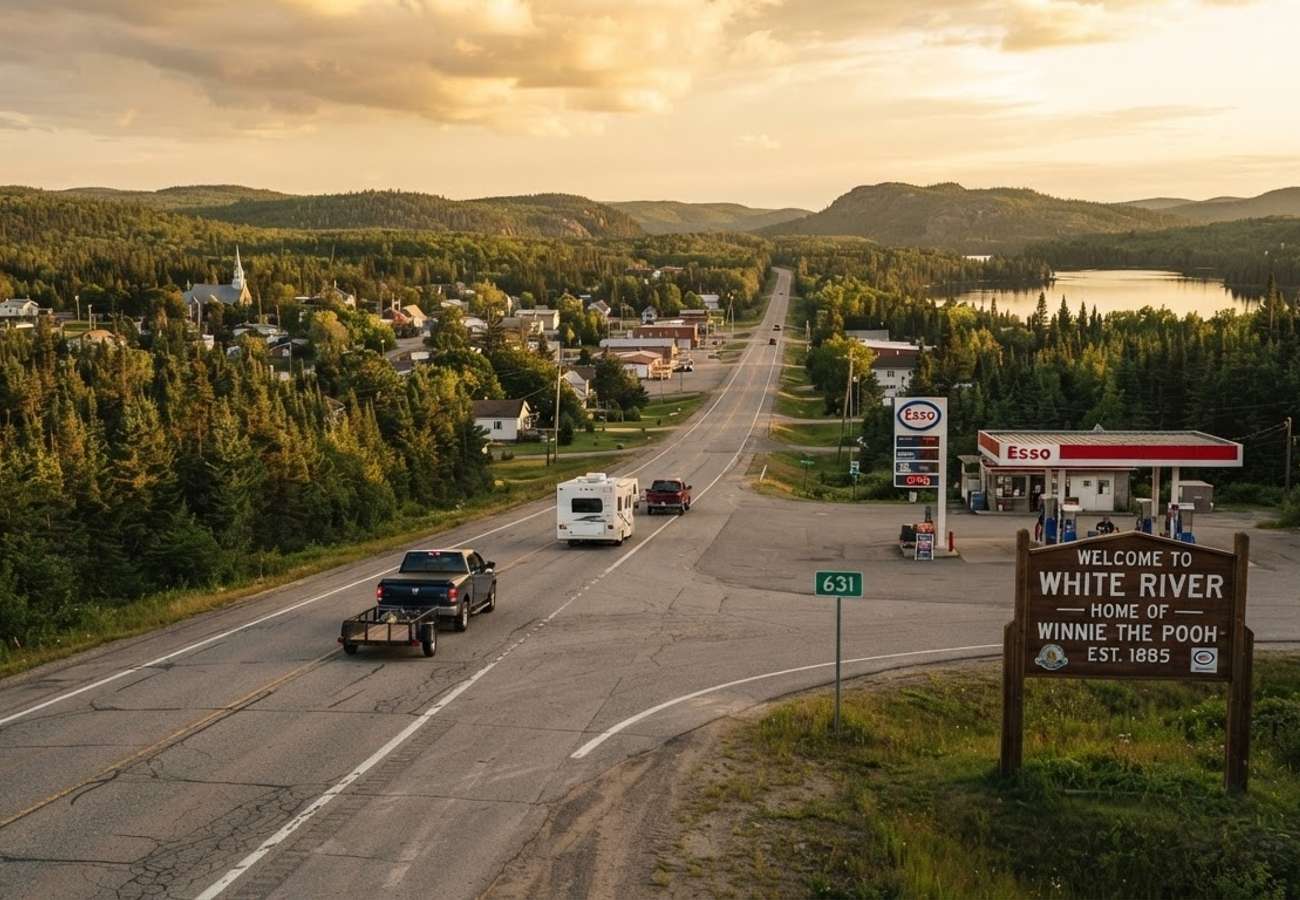
Image generated by AI
A strategic federal investment of $241,695 is set to transform the Township of White River into a primary tourism and transportation hub within Northern Ontario. This funding, delivered via FedNor, enables the community to secure a dedicated economic development officer for three years to catalyze local business growth and infrastructure planning.
The move is part of a broader national strategy to revitalize rural destinations. By shifting focus toward sustainable prosperity and professional planning, the Canadian government aims to convert natural assets and strategic geographical positions into measurable economic gains. This push extends beyond a single township, signaling a wider trend of infrastructure upgrades across Algoma and other remote hotspots to capture a larger share of the travel market.
Federal Funding Targets White River Economic Growth
On August 14, 2026, in Sault Ste. Marie, Ontario, officials announced a targeted financial injection of $241,695. This capital, provided through the Northern Ontario Development Program, is specifically earmarked for the Township of White River to employ an economic development officer for a three-year term.
The appointment is designed to fill a critical capacity gap, allowing the township to move from conceptual ideas to practical, shovel-ready projects. By placing a professional at the helm of investment attraction, the community can better address the challenges facing local entrepreneurs while simultaneously expanding its appeal to international and domestic travelers.
Terry Sheehan, the Member of Parliament for Sault Ste. Marie—Algoma, delivered the announcement on behalf of Patty Hajdu, the Minister of Jobs and Families and Minister responsible for FedNor. The initiative underscores a belief that rural resilience is tied directly to the ability of small communities to professionalize their approach to economic expansion.
Transforming Northern Ontario Travel Infrastructure
The investment in White River is a piece of a larger puzzle involving several high-impact projects across the province. The goal is to move away from "pass-through" tourism—where travelers simply drive through a region—toward "destination" tourism, where visitors are incentivized to stay, spend, and explore.
Across Northern Ontario, several key developments are underway:
- Killarney: The construction of a new municipal wharf and comprehensive waterfront enhancements to boost marine tourism.
- Temagami: The evolution of the Temagami Outpost into a full-service, all-season resort.
- Whitefish River First Nation: The expansion of the Hilly Acres Campground to meet rising demand for outdoor recreation.
- Wahnapitae First Nation: Significant upgrades to Pow-Wow grounds to enhance the quality of Indigenous cultural events.
These projects collectively aim to increase visitor spending and create a more competitive regional travel economy. By upgrading wharves, resorts, and cultural venues, these communities are positioning themselves to capture a wider demographic of high-spending travelers.
Strategic Importance of the White River Gateway
White River holds a unique advantage due to its geography. Situated at the critical junction of Highway 17 and Highway 631, it serves as a vital artery for both the transportation of goods and the movement of tourists across Northern Ontario.
For the average traveler on the Trans-Canada Highway, White River is often seen as a waypoint. However, the new economic development strategy seeks to change this perception. By developing a structured tourism proposition—including better accommodation, local heritage experiences, and enhanced services—the township can convert motorists into overnight guests.
The economic development officer will be tasked with analyzing the entire travel ecosystem. This includes evaluating the demand for new lodging, identifying gaps in cultural offerings, and creating partnerships with surrounding businesses to ensure that tourism growth benefits the entire local population rather than just a few isolated enterprises.
National Tourism Infrastructure Overview
The push in Algoma mirrors similar efforts across other Canadian provinces and territories, where regional connectivity and specialized tourism products are being prioritized.
| Region / District Area | Province / Territory | Tourism Infrastructure or Development | Key Current Focus |
|---|---|---|---|
| Algoma and Northern Ontario | Ontario | Tourism attractions, ports, campgrounds, resorts and visitor facilities | White River development, Killarney wharf, campground expansion and tourism upgrades |
| Greater Sudbury Region | Ontario | Tourism and recreational infrastructure | Six projects received over $1.6 million for tourism/economic development in 2026 |
| Killarney | Ontario | Waterfront and marine tourism infrastructure | Construction of a new municipal wharf supporting visitor and marine activity |
| Temagami Area | Ontario | Resort and accommodation infrastructure | Transformation of the Temagami Outpost into an all-season resort |
| Whitefish River First Nation | Ontario | Outdoor and camping tourism infrastructure | Expansion and further development of Hilly Acres Campground |
| Wahnapitae First Nation | Ontario | Indigenous cultural tourism infrastructure | Upgrade of Pow-Wow grounds to strengthen events and visitor experiences |
| Ottawa–Montreal–Cornwall Corridor | Ontario and Quebec | Cycling routes and tourism corridor infrastructure | Four-season cycling tourism connecting communities and attractions |
| Quebec Regions | Quebec | Tourism, recreation and community infrastructure | CED funding for local tourism and recreational infrastructure projects |
| Rural and Remote Quebec | Quebec | Tourist attractions and destination infrastructure | Products and experiences designed to attract visitors from outside Quebec |
| Saskatchewan–Manitoba Corridor | Saskatchewan and Manitoba | Agritourism infrastructure and destination development | Field-to-Fork tourism corridor linking agriculture and food experiences |
| Prairie Provinces | Alberta, Saskatchewan and Manitoba | Community and regional infrastructure | Build Communities Strong Fund and PrairiesCan tourism development |
| British Columbia | British Columbia | Tourism products, visitor experiences and regional connectivity | Tourism Growth Program and community revitalisation |
| Atlantic Canada | NB, NS, PEI, NL | Community-level tourism products and regional development | Tourism Growth Program delivered through ACOA |
| Northern Territories | YT, NT, NU | Rural, remote and northern tourism development | CanNor supports community-level tourism and regional economic growth |
| Southern Ontario | Ontario | Tourism product and community destination development | Tourism Growth Program delivered through FedDev Ontario |
Why This Matters: The Shift to Strategic Ruralism
For the traveler, these investments mean a tangible improvement in the quality of the journey. The transition from basic roadside stops to curated destination experiences reduces "travel fatigue" and provides more authentic interactions with local cultures.
From a logistical standpoint, the focus on "gateway" communities like White River is a smart move for regional stability. When a community can successfully monetize its location on a major highway, it creates a sustainable revenue stream that supports housing, workforce priorities, and local infrastructure without relying solely on volatile primary industries like mining or forestry.
For the entrepreneur, this federal push signals a window of opportunity. With a dedicated economic development officer in place, the barrier to entry for new tourism-related businesses—such as boutique lodges, guided adventure tours, or artisanal eateries—is lowered. The presence of professional planning reduces the risk for private investors, as the community's growth is now guided by a strategic roadmap rather than haphazard expansion.
Canada is betting that by professionalizing rural tourism, it can turn quiet transit points into economic powerhouses.
Related Travel Guides
Disclaimer
This article is for informational and educational purposes only. It does not constitute legal, financial, or professional advice. While we strive to provide accurate and up-to-date information, travel policies, regulations, and conditions change rapidly. Always verify information with official sources before making travel decisions. Nomad Lawyer makes no representations about the accuracy, reliability, completeness, or suitability of the information provided. Readers should consult qualified professionals for advice specific to their circumstances. The views expressed in this article are those of the author and do not necessarily reflect the views of Nomad Lawyer.
Kunal K Choudhary
Co-Founder & Contributor
A passionate traveller and tech enthusiast. Kunal contributes to the vision and growth of Nomad Lawyer, bringing fresh perspectives and driving the community forward.
Learn more about our team →