
Canada and European Nations Coordinate Emergency Responses as 2026 Wildfires Threaten Global Travel
Canada, Portugal, Greece, and other nations are intensifying wildfire preparedness as extreme heat and dry weather trigger travel disruptions and emergency alerts across North America and Europe.

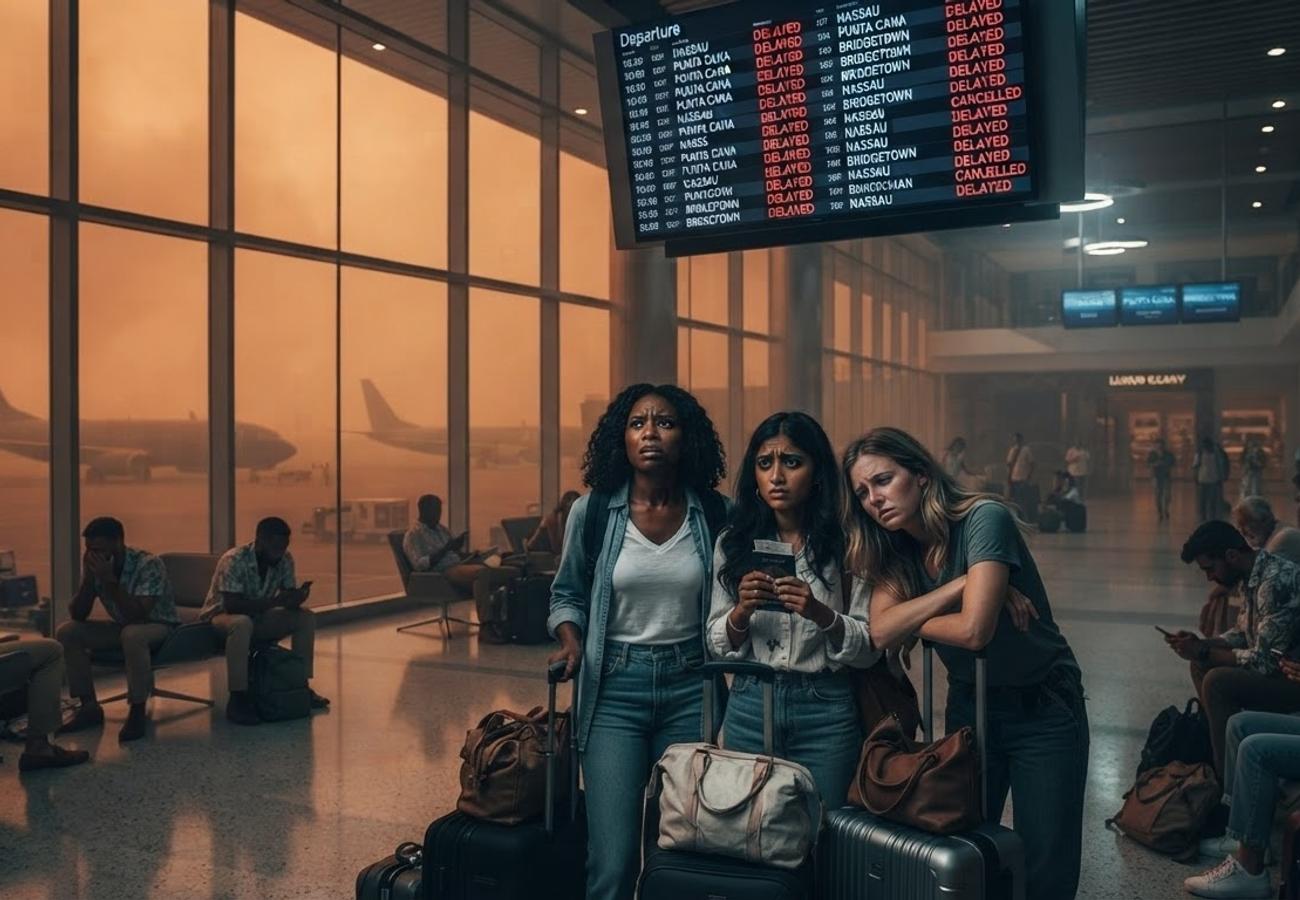
Image generated by AI
Extreme heat and prolonged droughts are triggering a coordinated emergency response across North America and Europe. Canada, alongside partners including Portugal, Greece, and Ireland, is strengthening wildfire preparedness as volatile weather patterns threaten to disrupt international travel and local infrastructure.
Travelers are being urged to monitor official government advisories closely. The combination of high temperatures and dry vegetation has increased the likelihood of transport delays, degraded air quality, and the sudden closure of tourist attractions across multiple continents.
Global Wildfire Surge Impacts Summer Travel
The July 2026 window has seen a spike in wildfire activity across the United States, Canada, France, Spain, Greece, the United Kingdom, and Ireland. This trend underscores a shift toward longer and more unpredictable fire seasons, which now directly impact peak summer tourism.
Authorities in these regions are emphasizing a unified message: avoid activities that could ignite dry vegetation and remain flexible with travel itineraries. The rapid spread of these fires often leads to immediate evacuations and the closure of regional transit corridors, creating significant bottlenecks for both business and leisure travelers.
Canada's 2026 Wildfire Status and Regional Risks
Canada is currently navigating a complex wildfire season. While some regions have seen relief, northern territories remain under high alert. The federal government is managing a high volume of active fires, though the total area burned is currently lower than the catastrophic levels seen in 2025.
Current Fire Statistics (as of July 9, 2026)
| Metric | 2026 Season Data | 2025 Comparison (Same Period) |
|---|---|---|
| Total Wildfires Recorded | 3,137 | 2,913 |
| Currently Active Fires | 796 | N/A |
| Out-of-Control Fires | 60 | N/A |
| Total Area Burned | ~1.4 Million Hectares | ~4.6 Million Hectares |
The data reveals a critical trend: while fewer hectares are burning compared to last year, the frequency of fire ignitions has increased. This puts immense pressure on emergency management systems and evacuation logistics, even if individual fires are smaller in scale.
High-Risk Zones for July and August
Forecasting agencies expect above-average temperatures to persist through August, maintaining a high risk of ignition in specific corridors.
- Maximum Danger Zones: The Northwest Territories, Nunavut, northern Manitoba, and regions surrounding Hudson Bay.
- Elevated Risk Zones: Northern Ontario and Quebec.
- Late Summer Watch: Southern interior British Columbia is expected to face above-normal danger in August, despite recent moisture.
Conversely, much of western Canada has experienced sustained rainfall, which has temporarily lowered the fire risk to moderate or low levels. However, officials warn that a return of strong winds and high heat could quickly reverse these gains.
Strengthening Infrastructure and Indigenous-Led Response
To combat these recurring threats, Natural Resources Canada has allocated CA$1.25 million toward six strategic preparedness projects. This funding is specifically targeted at enhancing the resilience of Indigenous communities, who are often disproportionately affected by climate-related disasters.
The investment supports the Métis Nations of British Columbia, Alberta, Saskatchewan, and Ontario. Key initiatives include:
- Advanced wildfire risk mapping and evacuation planning.
- Integration of traditional Indigenous knowledge into modern fire management.
- Specialized training for 38 Indigenous wildland firefighters through the Délı̨nę Got’ı̨nę Government and Chipewyan Prairie First Nation.
This collaborative approach between Ottawa, provincial governments, and Indigenous leadership is designed to shift the strategy from reactive firefighting to long-term community resilience.
Key Takeaways for Travelers
- Monitor Official Channels: Check government travel advisories for Canada and EU nations before booking.
- Expect Volatility: Be prepared for sudden flight diversions or road closures in northern Canada and southern Europe.
- Health Precautions: Air quality can deteriorate rapidly during wildfire events; travelers with respiratory issues should take extra precautions.
- Regional Variance: While western Canada is currently safer due to rain, northern territories and the Mediterranean coast remain high-risk.
Frequently Asked Questions
Is it safe to travel to Canada during the 2026 wildfire season? Yes, but caution is required. Most tourism hubs remain open, but travelers should avoid high-risk zones in the Northwest Territories and northern Manitoba during July and August.
Which European countries are most affected by wildfire alerts? Portugal, Greece, Spain, and France are currently implementing strengthened emergency warnings due to extreme heat and dry conditions.
How does the 2026 season differ from 2025 in Canada? There are more individual fires in 2026, but they are generally smaller and have burned significantly less land (1.4M hectares vs 4.6M hectares) than in the same period last year.
Safe travels require staying informed as global weather patterns continue to shift.
Related Travel Guides
Disclaimer
This article is for informational and educational purposes only. It does not constitute legal, financial, or professional advice. While we strive to provide accurate and up-to-date information, travel policies, regulations, and conditions change rapidly. Always verify information with official sources before making travel decisions. Nomad Lawyer makes no representations about the accuracy, reliability, completeness, or suitability of the information provided. Readers should consult qualified professionals for advice specific to their circumstances. The views expressed in this article are those of the author and do not necessarily reflect the views of Nomad Lawyer.
Raushan Kumar
Founder & Lead Developer
Full-stack developer with 11+ years of experience and a passionate traveller. Raushan built Nomad Lawyer from the ground up with a vision to create the best travel and law experience on the web.
Learn more about our team →