
Campania Tourism Surges as Ischia and Amalfi Coast Pivot Toward Diversified Luxury
Italy's Campania region sees record growth with 139.6M arrivals. Discover the luxury contrast between Ischia's thermal spas and the Amalfi Coast's UNESCO sites.

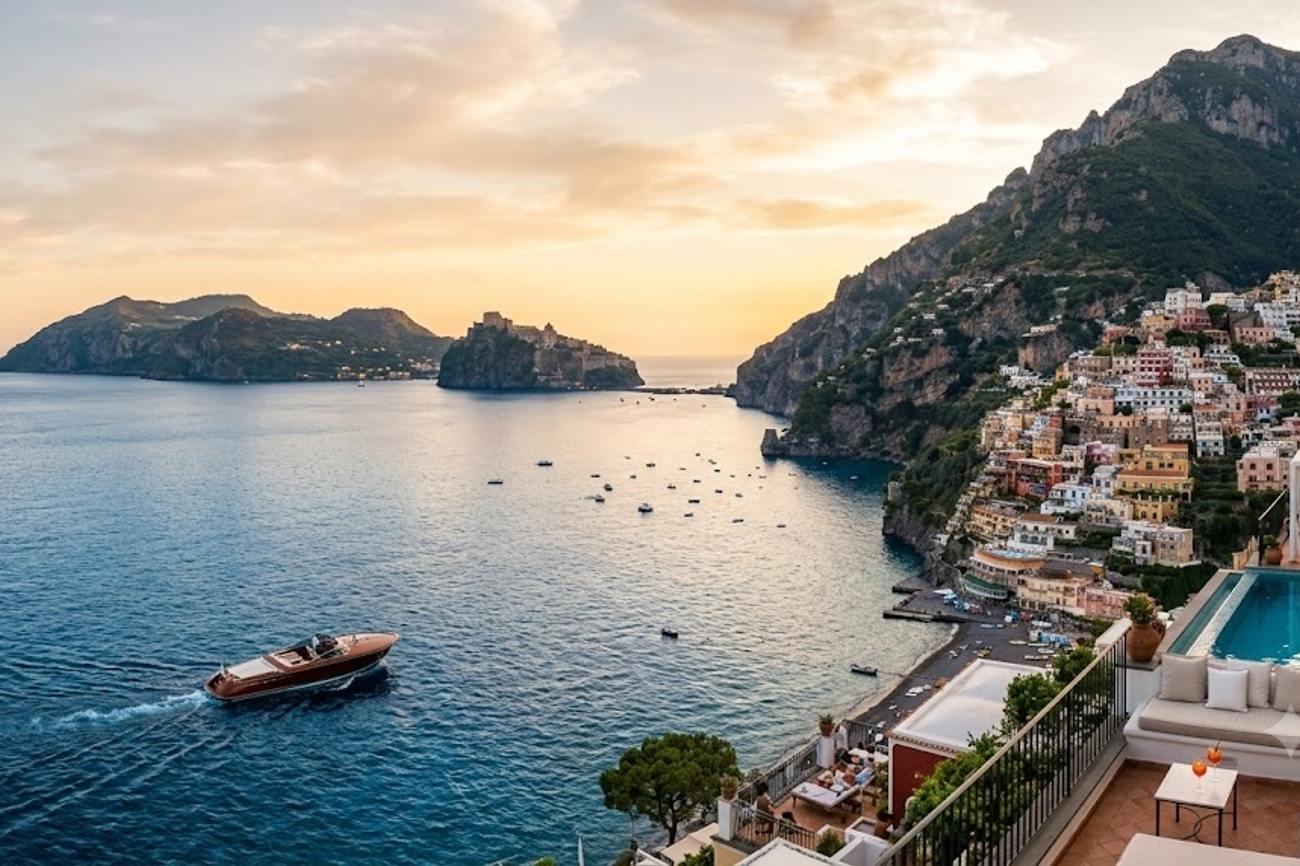
Image generated by AI
Naples and Salerno Gateways Fuel Southern Italy Growth
[Naples, September 9, 2026] — The Campania region is evolving beyond the stereotypical imagery of Positano's cliffside villas to offer a sophisticated, multi-faceted luxury experience. By integrating the volcanic wellness of Ischia with the UNESCO-protected landscapes of the Amalfi Coast, Southern Italy is positioning itself to handle record-breaking tourism volumes through enhanced infrastructure at Naples and the expanding Salerno airport systems.
Recent data reveals a massive surge in demand for Italian destinations. In 2024, Italy welcomed 139.6 million arrivals, resulting in 466.2 million overnight stays. This growth is largely propelled by international markets, with foreign arrivals climbing by 8.9% and international overnight stays increasing by 8.4%.
For the modern traveler, this volume makes strategic itinerary planning essential. Rather than congregating in saturated hotspots, visitors are increasingly encouraged to split their time between the thermal retreats of the Gulf of Naples and the rugged elegance of the coast.
Italy Tourism Performance Metrics (2024)
The following data highlights the scale of the current tourism boom and the increasing reliance on international visitors to drive the economy.
| Italy Tourism Indicator | 2024 Result | Annual Change |
|---|---|---|
| Tourist arrivals | 139.6 million | +4.5% |
| Overnight stays | 466.2 million | +4.2% |
| International arrivals | ~74.0 million | +8.9% |
| International overnight stays | ~254 million | +8.4% |
| Foreign share of overnight stays | 54.5% | Majority of demand |
| Tourism-related core employment | 403,000 | +4.8% |
Ischia Volcanic Wellness and Thermal Heritage
Ischia serves as the primary antithesis to the dramatic cliffs of the mainland. Located in the Gulf of Naples, the island has leveraged its volcanic geography to create a world-class wellness hub. The use of these thermal waters is not a modern trend but a legacy stretching back to the Roman and Greek eras.
Accessibility is a key driver for Ischia's popularity. Hydrofoils and ferries from Molo Beverello in Naples can complete the crossing in under one hour, making the island viable for short visits. However, industry observers suggest that the true value of Ischia is realized through multi-night stays that allow for deep immersion in its thermal gardens and sandy shores.
The island's wellness offerings are diverse. At Sorgeto, a unique natural phenomenon occurs where seawater mixes with geothermally heated water, reaching temperatures of approximately 37°C. This creates a year-round outdoor bathing experience. High-end hospitality follows suit, with properties like Botania Relais integrating on-site organic produce into their guest experience, while Palazzo Manzi focuses on comprehensive thermal pool programs.
Safety remains a priority due to the island's active geology. At Maronti, geothermal steam escaping through the sand can reach temperatures of 100°C. Local authorities advise visitors to remain within established bathing zones and strictly follow safety signage around fumaroles.
Amalfi Coast UNESCO Landscapes and Cultural Theatre
A shift toward the southeast leads to the Costiera Amalfitana, a region that transitioned into a UNESCO World Heritage Site in 1997. The designation protects 11,231 hectares of exceptional Mediterranean landscape, characterized by agricultural terraces, vineyards, and citrus groves carved into steep mountains.
While Positano remains a primary draw, the region's true depth is found in the smaller settlements of Atrani, Ravello, Praiano, Cetara, Minori, and Vietri sul Mare. Amalfi itself offers a condensed urban experience where the historic cathedral and maritime waterfront are easily accessible on foot.
For those seeking an alternative to the coastal crowds, the Valle delle Ferriere provides a three-hour trek through woodland and streams. This route is not only a nature escape but a historical archive, preserving the remains of Amalfi’s ancestral paper-making industry.
Strategic Activity Mapping for Campania Visitors
To avoid the pitfalls of overtourism, travelers are encouraged to align their base of operations with their primary interests.
| Traveler Type | Recommended Campania Base | Primary Appeal |
|---|---|---|
| Wellness traveller | Ischia | Thermal springs and volcanic spas |
| Beach traveller | Ischia, Maiori, Amalfi | Coastal access and varied beaches |
| Hiker | Agerola, Praiano, Amalfi | Mountain trails and coastal paths |
| Heritage traveller | Amalfi, Ravello, Naples | Archaeology and historic centers |
| Luxury traveller | Ravello, Praiano, Amalfi | Exclusive cliffside hotels |
| Food-focused visitor | Amalfi Coast and Ischia | Regional seafood and lemon groves |
High-Altitude Exploration and the Path of the Gods
The most profound way to experience the Amalfi Coast is by ascending above the road level. The "Path of the Gods" (Sentiero degli Dei) is the region's premier trekking experience, connecting the Agerola region to Nocelle.
This approximately eight-kilometer route takes roughly four-and-a-half hours to complete. By moving away from the congested coastal roads, hikers gain a perspective of the Tyrrhenian Sea and the surrounding peaks that is inaccessible to the average tourist, effectively turning the geography into a theatrical experience.
Why This Matters: The Shift Toward "Slow Luxury"
For the traveler, the current data suggests that the "one-stop" holiday in Italy is becoming obsolete. With 466.2 million overnight stays putting pressure on infrastructure, the move toward a split itinerary between Ischia and Amalfi is more than a luxury preference—it is a logistical necessity.
From a user-experience standpoint, this means the "perfect" trip now requires a balance of opposites: the passive, healing waters of Ischia followed by the active, physical challenge of the Amalfi hiking trails. By distributing their time, visitors avoid the "tourism fatigue" associated with the region's busiest hubs. Furthermore, the integration of the Salerno airport system suggests that the region is preparing for a more decentralized flow of people, allowing for a more authentic encounter with Southern Italian culture away from the primary bottlenecks.
Related Travel Guides
Disclaimer
This article is for informational and educational purposes only. It does not constitute legal, financial, or professional advice. While we strive to provide accurate and up-to-date information, travel policies, regulations, and conditions change rapidly. Always verify information with official sources before making travel decisions. Nomad Lawyer makes no representations about the accuracy, reliability, completeness, or suitability of the information provided. Readers should consult qualified professionals for advice specific to their circumstances. The views expressed in this article are those of the author and do not necessarily reflect the views of Nomad Lawyer.
Preeti Gunjan
Contributor & Community Manager
A passionate traveller and community builder. Preeti helps grow the Nomad Lawyer community, fostering engagement and bringing the reader experience to life.
Learn more about our team →