
California Between Angeles: Abandoned Military Fort Now State Park
A decommissioned military fort between Los Angeles and Bakersfield has reopened as a scenic California state park in 2026, offering history buffs and outdoor enthusiasts access to frontier heritage along the Grapevine highway.

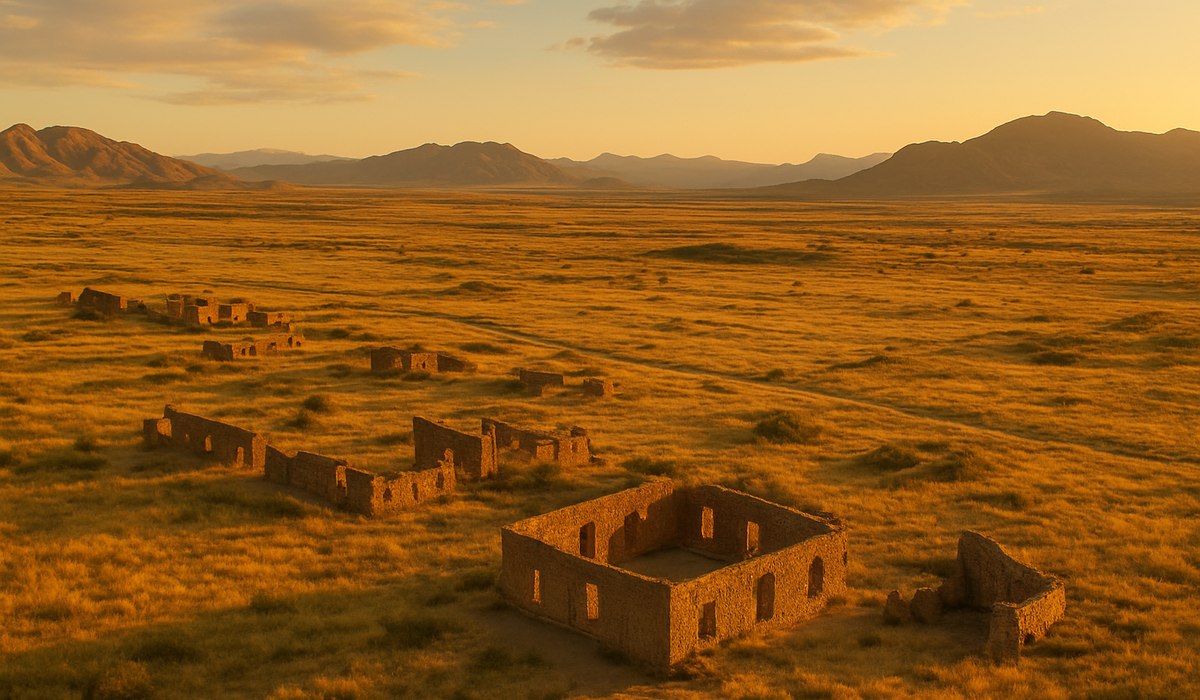
Image generated by AI
California Between Angeles: Historic Military Fort Transforms Into Premier State Park
A restored military fort nestled between Los Angeles and Bakersfield has officially reopened as a state park destination in 2026, offering travelers a unique blend of American frontier history and outdoor recreation. Situated along the iconic Grapevine corridor, this scenic preserve showcases decommissioned military structures surrounded by expansive natural landscapes. History enthusiasts and nature lovers now have unprecedented access to one of California's most overlooked heritage sites, where visitors can explore authentic frontier-era buildings, hiking trails, and panoramic viewpoints. The transformation represents a significant addition to California's state park system and promises to draw thousands of adventurers seeking authentic historical experiences away from crowded urban centers.
History of the Military Fort
The fort's origins trace back to the nineteenth century when California's frontier expansion required strategic military outposts. Originally established to protect trade routes and maintain territorial security, the installation played a crucial role in regional development during a transformative period. The structure featured barracks, administrative buildings, supply houses, and defensive fortifications typical of frontier-era military architecture.
Over decades, the fort evolved from active military use into a support facility before eventual decommissioning. Weathering, vandalism, and neglect threatened to erase this historical landmark entirely. Preservation efforts began in earnest during the early 2020s, with state authorities recognizing the site's cultural and educational significance. Restoration work meticulously reconstructed deteriorating structures while maintaining historical authenticity. The California state parks system invested substantially in archaeological surveys, structural reinforcement, and interpretive programs. By 2026, the revitalized site emerged as a fully operational state park, complete with guided tours, museum exhibits, and educational resources documenting the fort's evolution and regional importance.
What to See and Do at the State Park
Visitors can explore multiple restored buildings offering windows into frontier military life. Barracks buildings showcase period-appropriate furnishings and artifacts that illuminate soldier experiences. The commander's quarters display decorative elements and personal effects revealing officers' lifestyles. A functioning museum houses weapons, uniforms, documents, and photographs chronicling the fort's operational history.
Outdoor enthusiasts benefit from well-maintained hiking trails traversing surrounding landscapes. Scenic overlooks provide stunning vistas of the surrounding valleys and distant mountain ranges. Picnic areas accommodate family gatherings with shade structures and facilities. Bird watchers appreciate the diverse avian populations inhabiting native vegetation. Photography opportunities abound throughout the park, especially during golden hour when dramatic lighting enhances historical structures.
Educational programs include ranger-led tours, historical reenactments, and hands-on demonstrations. Visitors learn about daily routines, military protocols, and indigenous peoples who inhabited the region before European settlement. Seasonal events attract families and school groups seeking immersive learning experiences. The park's interpretive center provides multimedia presentations contextualizing the fort within broader California history and frontier development narratives. Check TripAdvisor for comprehensive visitor reviews and detailed activity information.
Best Time to Visit
Spring months (March through May) offer ideal conditions with moderate temperatures and wildflower blooms. Daytime highs range from seventy to eighty-five degrees Fahrenheit, creating comfortable exploration temperatures. Spring also features reduced visitor traffic compared to summer peaks, allowing more peaceful experiences.
Summer (June through August) brings warm temperatures exceeding ninety degrees, particularly challenging for extended outdoor activities. However, this period coincides with school vacations, making family visits more feasible. Early morning visits help visitors avoid peak heat hours.
Fall (September through November) delivers pleasant weather with comfortable temperatures and clear skies. Lower humidity levels make hiking particularly enjoyable. Autumn crowds remain moderate, though weekends attract day-trippers from nearby urban centers.
Winter (December through February) experiences occasional rain and unpredictable weather. While visitor numbers drop significantly, this season suits those preferring solitude and contemplation. Occasional snow may temporarily close certain park areas.
How to Get There
The state park occupies a strategic location along Interstate 5, approximately thirty-five miles north of Los Angeles and roughly thirty miles south of Bakersfield. From Los Angeles, travelers should drive north on I-5 approximately one hour. Take the clearly marked state park exit; signs direct visitors to designated parking areas. From Bakersfield, drive south on I-5 for approximately forty-five minutes, following similar directional signage.
Public transportation remains limited in this corridor, making private vehicle travel essential. Rideshare services operate in nearby towns but charge premium rates for remote park access. The facility provides ample free parking with designated spaces for recreational vehicles and accessible vehicles. The nearest gas stations and services cluster around highway interchange towns located five to ten miles away. Plan accordingly by fueling up before arriving at the park.
Key Information Table
| Aspect | Details |
|---|---|
| Location | Between Los Angeles and Bakersfield on I-5 |
| Distance from LA | Approximately 35 miles north |
| Distance from Bakersfield | Approximately 30 miles south |
| Elevation | 1,200–1,800 feet |
| Park Area | 850+ acres |
| Operating Hours | 8 AM–sunset daily |
| Entrance Fee | $8 per vehicle (California residents) |
| Amenities | Hiking trails, museum, picnic areas, visitor center |
| Best Season | March–May and September–November |
| Accessibility | Wheelchair-accessible buildings and some trails |
What This Means for Travelers
The reopening of California between Angeles' frontier fort state park creates compelling opportunities for history-focused tourism while addressing a regional gap in heritage attractions. Travelers seeking authentic historical experiences now access well-preserved military structures without traveling to distant locations. This development strengthens the Los Angeles-to-Bakersfield corridor's recreational appeal, particularly for road-trippers exploring California's interior regions.
Actionable Takeaways:
-
Plan multi-hour visits combining museum exploration, guided tours, and trail hiking for comprehensive park experiences. Budget three to four hours minimum.
-
Book ranger-led tours in advance during peak seasons to secure preferred time slots for specialized historical programs and exclusive site access.
-
Pack water and snacks despite proximity to I-5; on-site facilities remain limited and nearby services charge premium prices.
-
Visit official California state parks websites for current hours, entrance fee updates, and seasonal closure announcements before traveling.
-
Combine visits with Grapevine exploration by incorporating nearby hiking, scenic drives, and dining establishments for fuller regional experiences.
Frequently Asked Questions
What military branch operated this fort? The fort functioned as a multi-branch installation serving primarily Army objectives, though personnel from other services rotated through for specialized training and coordination missions. Historical records document significant cavalry and infantry presence throughout its operational period.
Are there overnight camping facilities? The state park currently operates as a day-use facility without overnight camping accommodations. Nearby towns along I-5 provide motel, hotel, and RV park options within fifteen-mile radius. Visitors should arrange accommodations in Lebec or other regional communities beforehand.
Can children enjoy activities here? Absolutely. Educational programs specifically target school-age visitors with interactive demonstrations, hands-on exhibits, and engaging ranger presentations. Wide, well-maintained trails accommodate families, and picnic areas provide comfortable gathering spaces for group activities.
What should I bring for a comfortable visit? Bring plenty of water, sun protection (hat and sunscreen), comfortable walking shoes, and binoculars for bird watching. The park features limited shade, so light layers work well for temperature fluctuations. Cameras capture excellent photographs of restored structures and landscape vistas.
Related Travel Guides
Disclaimer
This article is for informational and educational purposes only. It does not constitute legal, financial, or professional advice. While we strive to provide accurate and up-to-date information, travel policies, regulations, and conditions change rapidly. Always verify information with official sources before making travel decisions. Nomad Lawyer makes no representations about the accuracy, reliability, completeness, or suitability of the information provided. Readers should consult qualified professionals for advice specific to their circumstances. The views expressed in this article are those of the author and do not necessarily reflect the views of Nomad Lawyer.
Raushan Kumar
Founder & Lead Developer
Full-stack developer with 11+ years of experience and a passionate traveller. Raushan built Nomad Lawyer from the ground up with a vision to create the best travel and law experience on the web.
Learn more about our team →