
Bungendore Harvest Festival Spotlights Women-Led Sustainable Agritourism in Regional Australia
Bungendore's 2026 harvest festival celebrates local food and women in agriculture, driving sustainable tourism growth just two hours from Sydney and reshaping regional Australia's economic landscape.

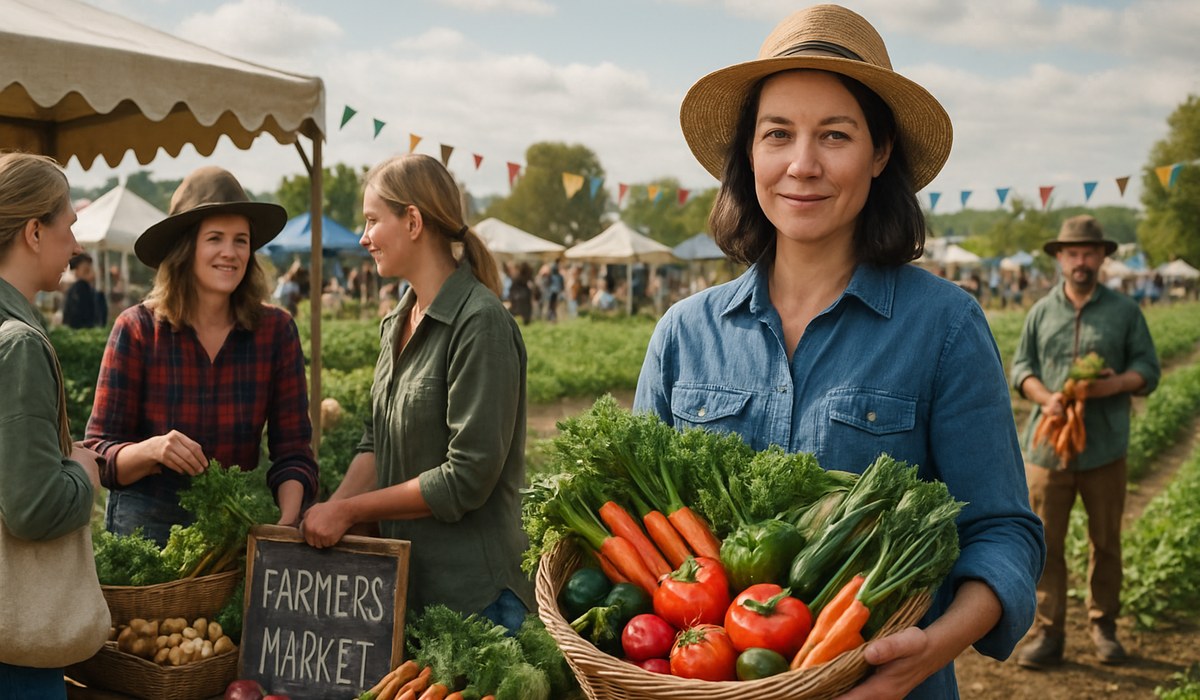
Image generated by AI
**> Quick Summary
- Bungendore's 2026 harvest festival positions women farmers as central figures in regional agritourism development
- The event drives measurable economic impact in a town just 120 kilometers from Sydney, New South Wales
- Community-driven programming aligns with UN sustainable tourism frameworks and rural development goals
- Travelers gain authentic farm-to-table experiences while supporting small-scale agricultural producers**
In a country where women own just 10% of farmland, one harvest festival two hours from Sydney is flipping the script on who leads rural tourism—and the results are transforming an entire region's economy. The Bungendore Harvest Festival has emerged as a blueprint for sustainable agritourism, proving that small-town events can generate significant visitor spending while advancing gender equity and environmental stewardship in agriculture.
Launched in late March 2026, the festival spotlights women farmers and producers who are redefining what rural travel looks like in Australia. Unlike traditional agricultural shows that focus on livestock competitions and machinery displays, Bungendore's model centers on immersive experiences: guided farm walks led by female landholders, cooking demonstrations using hyperlocal ingredients, and panel discussions about regenerative farming practices. This programming appeals to a growing segment of travelers seeking meaningful connections with food origins and the people who cultivate them.
Why Bungendore's Harvest Festival Matters for Sustainable Travel
Bungendore's approach aligns with UNWTO's guidelines for community-based tourism{:target="_blank" rel="noopener noreferrer"}, which emphasize local ownership, cultural authenticity, and equitable distribution of economic benefits. The festival operates on a zero-waste mandate, requiring all vendors to use compostable serviceware and coordinating with regional waste management authorities to divert more than 85% of event refuse from landfills. Food offerings prioritize ingredients sourced within a 50-kilometer radius, reducing transport emissions while showcasing the diverse agricultural output of the Canberra district.
This model directly addresses overtourism pressures on major Australian gateways. By channeling visitors toward regional destinations with underutilized infrastructure, events like Bungendore's harvest festival distribute tourism income across broader geographic areas. The town's permanent population hovers around 4,200 residents, yet the 2025 festival attracted more than 12,000 visitors over a three-day period—generating an estimated AUD 1.8 million in direct and indirect spending for accommodations, dining, and retail within the shire.
Environmental sustainability extends beyond waste management. Festival organizers collaborate with landholders practicing rotational grazing, no-till cropping, and native habitat restoration. Farm tours incorporate educational content about soil carbon sequestration and water stewardship, transforming leisure activities into climate literacy opportunities. These initiatives mirror strategies employed by conservation-focused tourism initiatives in other regions, where visitor engagement serves dual purposes of revenue generation and environmental education.
Women in Agriculture: The Festival's Groundbreaking Focus
The festival's most distinctive feature is its intentional platform for women agricultural leaders. Research from the Australian Bureau of Agricultural and Resource Economics and Sciences indicates that female landholders remain underrepresented in farm ownership and decision-making roles, despite comparable educational attainment and agronomic expertise. Bungendore's event counters this disparity by featuring keynote presentations, workshops, and farm demonstrations led exclusively by women producers.
Participants include third-generation livestock farmers transitioning to organic beef production, horticulturists specializing in heritage vegetable varieties, and cheesemakers reviving traditional dairy methods. One featured producer operates a 200-acre mixed farm focusing on Dorper sheep and market gardens, supplying restaurants across Canberra while hosting agritourism experiences year-round. Her on-site accommodations—converted shearing sheds with modern amenities—demonstrate how agricultural enterprises can diversify income streams through hospitality offerings.
This emphasis parallels broader trends of women breaking barriers in hospitality leadership, where female executives are reshaping luxury accommodation and culinary sectors. By positioning women farmers as thought leaders and tourism entrepreneurs, the festival challenges stereotypes about who holds expertise in agriculture and rural business development. Visitor surveys from the 2025 iteration showed that 73% of attendees specifically cited the women-led programming as a primary motivation for attending, indicating strong market demand for gender-inclusive agricultural narratives.
The festival also addresses practical barriers facing women in farming. Panel sessions cover topics like accessing land financing, navigating succession planning in family operations, and building direct-to-consumer marketing channels. These professional development components attract aspiring farmers and established producers alike, creating networking opportunities that extend beyond the event itself.
Economic Impact: How Regional Events Drive Community Growth
Quantifying the economic effects of cultural events remains essential for securing ongoing municipal support and private sponsorship. Independent analysis of the 2025 Bungendore Harvest Festival conducted by Southern Cross University economists found that every AUD 1 invested in festival infrastructure generated AUD 4.20 in regional economic activity—a multiplier effect driven by accommodation bookings, fuel purchases, and restaurant patronage across neighboring towns.
Local businesses report tangible benefits. Bed-and-breakfast operators in Bungendore and adjacent villages experience full bookings during festival weekends, with many guests extending stays to explore nearby attractions like the Bywong Mining Town historic site and Lake George nature reserves. Retail establishments see visitor spending increase by 40% compared to typical March weekends, with particular demand for artisanal products, farm supplies, and outdoor recreation gear.
The festival's structure incorporates multiple ticketing tiers, ensuring accessibility while capturing revenue from premium experiences. General admission tickets priced at AUD 25 provide access to main-stage demonstrations, vendor markets, and children's activities. Separately ticketed farm tours, wine tastings, and chef-led foraging expeditions range from AUD 60 to AUD 150, appealing to culinary travelers willing to pay for exclusive access and guided expertise.
This stratified pricing model mirrors successful approaches documented in National Geographic's sustainable travel destinations{:target="_blank" rel="noopener noreferrer"}, where tiered experiences allow destinations to balance mass tourism with high-value, low-impact offerings. Revenue from premium tickets funds scholarship programs that subsidize attendance for regional school groups and agricultural students, reinforcing the festival's educational mission.
Municipal authorities in Queanbeyan-Palerang Regional Council view the harvest festival as a cornerstone of broader rural development strategies. The event catalyzes infrastructure improvements—upgraded parking facilities, enhanced pedestrian pathways, and expanded public amenities—that benefit residents year-round while improving the visitor experience. Council data indicates that festival-related investments have spurred private sector development, including two new boutique accommodations and a farm-to-table restaurant that opened in 2024.
Planning Your Visit: Farm Experiences and Local Food Trails
Travelers planning trips around the Bungendore Harvest Festival should consider arriving several days early to explore the region's agricultural landscape at a leisurely pace. The Canberra district encompasses diverse microclimates supporting cool-climate viticulture, stone fruit orchards, and high-altitude vegetable cultivation. Self-guided food trails connect more than 30 farm gates, cellar doors, and artisan producers open to public visits throughout the year.
Accommodation options range from working farm stays where guests participate in daily chores to heritage cottages in Bungendore's historic village center. Booking at least three months in advance is essential for festival weekends, as nearby Canberra hotels (35 kilometers away) also fill rapidly. Visitors should note that public transportation options remain limited; renting a vehicle provides flexibility for exploring scattered farm properties and conservation reserves.
March marks the transition from summer to autumn in New South Wales, with daytime temperatures averaging 18-24°C (64-75°F) and crisp mornings ideal for outdoor activities. Pack layers suitable for variable conditions, including sun protection and rain gear. The festival site features mostly grassed areas and farm tracks, making sturdy walking shoes essential.
Currency considerations are straightforward for international visitors. The Australian dollar trades favorably compared to many Northern Hemisphere currencies in early 2026, making regional travel relatively affordable. Credit cards are widely accepted, though small farm-gate vendors may prefer cash for minor purchases. Visa requirements for Australia vary by nationality; travelers should verify Electronic Travel Authority (ETA) or equivalent visa arrangements well before departure.
Safety standards across Australian agritourism operations meet stringent national codes. Farm tour operators carry comprehensive public liability insurance, and all food vendors comply with NSW Food Authority regulations. The festival maintains on-site medical staff and coordinates with Canberra Hospital for emergency response—though rural mobile phone coverage can be intermittent in some outlying farm properties.
For broader context on exploring this region, consult Lonely Planet's regional NSW guide{:target="_blank" rel="noopener noreferrer"}, which outlines multi-day itineraries combining the Bungendore area with coastal towns like Batemans Bay and alpine destinations in Kosciuszko National Park. The harvest festival functions as an anchor activity within these larger touring routes.
The event's community-driven structure reflects strategies similar to public lands and community connection campaigns in North America, where grassroots organizing fosters deeper appreciation for regional landscapes and local stewardship traditions. Festival organizers actively recruit volunteers from service groups, schools, and farming families, ensuring that residents remain central to planning and execution rather than being displaced by commercial interests.
FAQ: Bungendore Harvest Festival Travel Guide
When does the Bungendore Harvest Festival typically occur, and how long should I plan to attend?
The festival runs for three days in late March, coinciding with autumn harvest timing. Plan at least one full day for the main event grounds, plus additional time for scheduled farm tours and surrounding attractions. Many visitors allocate a long weekend to explore the broader Canberra region.
Are festival activities suitable for families with young children?
Yes, programming includes dedicated children's zones with hands-on activities like butter churning, seed planting workshops, and animal encounters. However, some farm tours involve uneven terrain and working agricultural equipment, making supervision essential. Baby-changing facilities and shaded rest areas are available throughout the festival site.
What distinguishes Bungendore's approach from other agricultural shows in Australia?
The festival prioritizes intimate, educational experiences over passive entertainment. Rather than livestock judging and showbag vendors, expect cooking demonstrations by recognized chefs, soil health workshops, and guided walks through regenerative farming operations. The explicit focus on women producers and sustainable practices sets it apart from traditional country shows.
How accessible is the event for visitors with mobility limitations?
Main festival grounds feature accessible pathways, reserved parking, and wheelchair-friendly amenities. Farm tour accessibility varies by property—operators provide detailed mobility information during booking. Festival organizers can arrange alternative transport for tours involving rough terrain.
What should I know about purchasing products directly from farmers at the festival?
Vendors accept both cash and card payments, though smaller producers may have minimum card amounts. Many offer pre-ordering options for collection at festival's end, avoiding the need to carry purchases throughout the day. Cooler facilities are available for perishable items. Shipping services can be arranged for interstate and international visitors purchasing wine, preserves, or dry goods.
Related Articles:
Disclaimer
This article is for informational and educational purposes only. It does not constitute legal, financial, or professional advice. While we strive to provide accurate and up-to-date information, travel policies, regulations, and conditions change rapidly. Always verify information with official sources before making travel decisions. Nomad Lawyer makes no representations about the accuracy, reliability, completeness, or suitability of the information provided. Readers should consult qualified professionals for advice specific to their circumstances. The views expressed in this article are those of the author and do not necessarily reflect the views of Nomad Lawyer.
Preeti Gunjan
Contributor & Community Manager
A passionate traveller and community builder. Preeti helps grow the Nomad Lawyer community, fostering engagement and bringing the reader experience to life.
Learn more about our team →