
Brussels metro project scaled back after Toots Thielemans station shell completion
Brussels Capital Region scales back Line 3 metro expansion in 2026 after completing the Toots Thielemans station shell, suspending phase two due to €170m cost overruns and structural challenges.

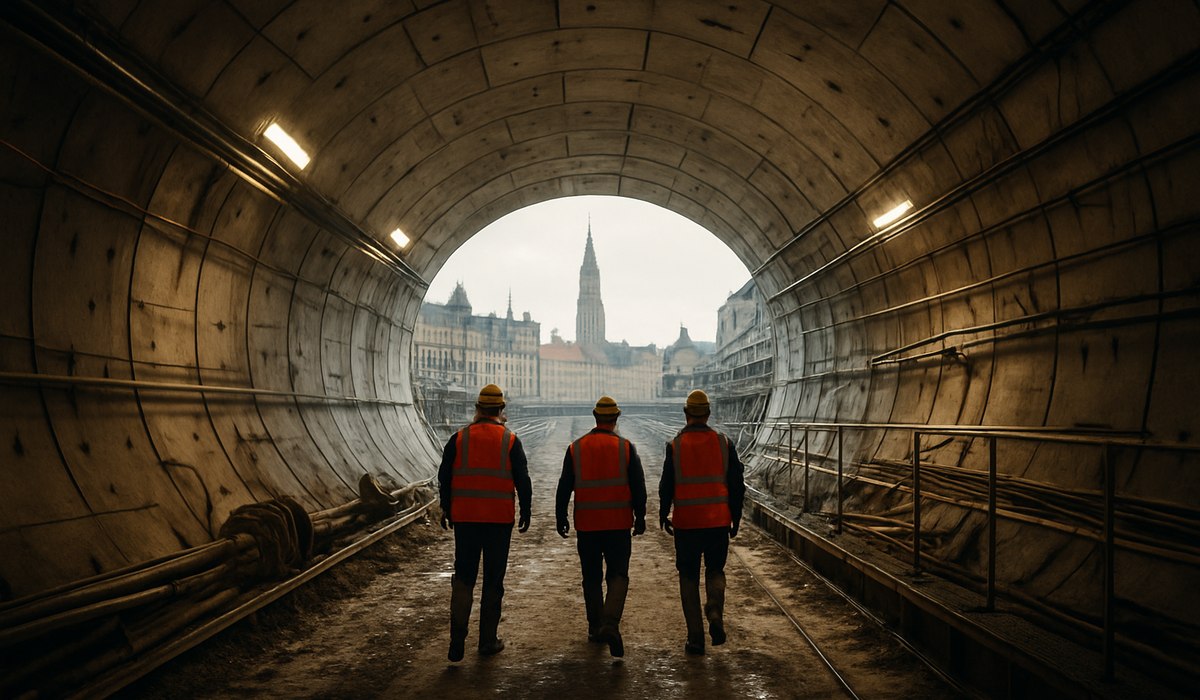
Image generated by AI
Brussels Metro Project Enters New Phase Following Station Milestone
The Brussels Capital Region announced a significant restructuring of its ambitious Line 3 metro expansion following completion of the Toots Thielemans station shell in early April 2026. While this achievement marks a crucial milestone in Belgium's longest-delayed transit infrastructure initiative, regional authorities confirmed they are scaling back the brussels metro project to manage escalating costs and technical complications. The 10.3-kilometer Line 3 corridor, originally designed to link Albert station in Forest with Bordet in Evere, represents one of Europe's most challenging urban transit undertakings. Named after the legendary Belgian jazz harmonica virtuoso, Toots Thielemans station embodies both cultural significance and engineering complexity. The station shell completion signals progress despite mounting pressure on budgets and schedules that have plagued this initiative since its conception.
Milestone Completed Amid Extended Project Delays
The structural completion of Toots Thielemans station represents tangible progress on a project that has experienced repeated setbacks. Construction crews finished the station shell in spring 2026, fulfilling a critical benchmark in the first phase of the brussels metro project. This new underground facility will eventually replace the aging 1958-era Lemonnier tunnel section, which infrastructure experts determined unsuitable for modern metro conversion. The station shell completion demonstrates engineering teams' ability to overcome extraordinary subsurface obstacles beneath historic Brussels neighborhoods.
However, completion timelines have shifted dramatically. Original projections anticipated full Line 3 operational status years earlier. Unexpected geological conditions, particularly unstable ground composition beneath the Palais du Midi landmark structure, forced comprehensive design revisions that extended construction windows by approximately eight years. In 2025, Brussels authorities approved controlled demolition of the historic building while preserving its facade—a compromise requiring extensive archaeological and structural analysis. These complications validate concerns raised throughout the project's extended planning period. Despite setbacks, the Brussels Capital Region's transit authority STIB continues coordinating construction activities across multiple worksite zones throughout the metropolitan region.
Cost Overruns Force Austerity Measures and Strategic Reassessment
Financial pressures triggered dramatic changes to the brussels metro project's original scope. Initial cost estimates of €2 billion ballooned by €170 million, forcing regional administrators to implement austerity measures in February 2026. The mounting expenses reflected unanticipated geological challenges, environmental compliance requirements, and labor cost escalations affecting Belgium's construction sector broadly. Brussels Capital Region leadership determined that full implementation of all planned phases exceeded financial sustainability thresholds.
These economic constraints necessitated a fundamental restructuring strategy. Rather than suspending operations entirely, authorities opted for a phased cost-reduction approach. The revised €1 billion budget represents a 50% reduction from 2020 projections, achieved through strategic deferrals and operational compromises. Decision-makers prioritized completing the Brussels South-to-Anneessens tunnel segment, which will operate initially as a light rail line using light rail vehicles (LRVs) rather than full metro trains. This interim operational model preserves infrastructure investments while deferring extensive metro-standard modifications. Future conversion to full metro status remains technically feasible once financial conditions improve. For current European infrastructure funding information, visit the European Union transport policy page.
Phase One Continues While Phase Two Expansion Suspended Indefinitely
The brussels metro project now operates under a fundamentally revised implementation timeline. Phase one activities focus exclusively on converting the existing pre-metro tunnel between Albert and Brussels North stations into metro-standard infrastructure, combined with the new Brussels South-Anneessens tunnel construction. This phase remains actively funded and scheduled for continued development.
Phase two expansion—originally encompassing Line 3 extension from Brussels North to Bordet across the northeastern metropolitan corridor—has been suspended pending comprehensive feasibility review. This postponement eliminates approximately 8 kilometers of planned expansion and eight additional stations across Evere and surrounding districts. Regional planners indicated that suspension remains conditional; future metro conversion remains technically viable if budgetary circumstances improve. Meanwhile, the Brussels South-Anneessens section will debut as a pre-metro light rail line, serving passenger traffic with LRV vehicles capable of rapid deployment. This interim operational model enables partial infrastructure utilization immediately upon completion, generating transit revenue while building ridership patterns that justify future metro-standard conversion investments.
Impact on Brussels Transport Network and Regional Connectivity
The revised brussels metro project will substantially reshape metropolitan transit patterns despite scaled-back scope. The new Brussels South-Anneessens tunnel eliminates problematic congestion points in existing networks. Currently, the aging Lemonnier junction processes up to 88 LRV movements hourly—an unsustainable demand density causing chronic reliability issues. Route diversification through the newly constructed tunnel will redistribute traffic flows and reduce operational bottlenecks significantly.
Regional planners estimate the tunnel will decrease average transit delays by 15-20 percent across central Brussels networks. Improved schedule adherence benefits commercial operators and commuting passengers equally. A planned pedestrian connection between Toots Thielemans station and existing Lemonnier facilities will enable seamless passenger interchange without surface-level transfers. This architectural solution preserves operational flexibility while maintaining transit network integration. The delayed Line 3 project demonstrates Brussels' commitment to modernizing transit infrastructure despite extraordinary technical complications. Check the Brussels STIB official website for current service schedules and fare information. Nomad lawyers and business travelers relocating to Brussels will appreciate improved connection between south and central districts, traditionally the most congested transit corridor.
How to Book the Best Fare for Brussels Metro Travel
Navigating Brussels' evolving transit system requires understanding current fare structures and booking strategies. The STIB operates integrated ticket systems across metro, tram, and bus services throughout the Brussels Capital Region. Single journey tickets cost €2.50 for standard routes, while 10-journey carnet booklets offer 20 percent savings at €20. Day passes providing unlimited travel for 24 hours cost €8, ideal for tourists and occasional travelers exploring the city comprehensively.
For regular commuters, monthly passes deliver maximum savings at approximately €69, representing roughly 60 percent discounts versus daily single-ticket purchases. Weekly passes cost €17.50 and suit business travelers spending defined periods in Brussels. Children aged 6-11 receive 50 percent fare reductions, while passengers under 6 travel free. Purchase tickets directly via the STIB mobile application, at staffed ticket windows in major stations, or through automated vending machines displaying English-language interfaces. The STIB system integrates with regional rail networks, enabling combination tickets for journeys extending beyond metropolitan Brussels boundaries. Visit Trainline for integrated Belgian rail and metro booking options across multiple providers.
Key Data: Brussels Line 3 Project Overview
| Metric | Value |
|---|---|
| Total Route Length | 10.3 kilometers |
| Originally Planned Stations | 18 stations |
| Phase One Stations | 11 stations |
| Current Suspension Points | 8 kilometers, 7 stations (Phase 2) |
| Original Budget (2020) | €2 billion |
| Revised Budget (2026) | €1 billion |
| Cost Overruns | €170 million |
| Construction Delay | Approximately 8 years |
| Lemonnier Junction Capacity | 88 LRV movements per hour |
| Toots Thielemans Station Completion | April 2026 |
| Initial Operating Mode | Pre-metro with light rail vehicles |
| Projected Congestion Reduction | 15-20 percent |
What This Means for Travelers: Actionable Takeaways
- Current Brussels metro operations remain unaffected by the brussels metro project scaling back. Existing Lines
Disclaimer
This article is for informational and educational purposes only. It does not constitute legal, financial, or professional advice. While we strive to provide accurate and up-to-date information, travel policies, regulations, and conditions change rapidly. Always verify information with official sources before making travel decisions. Nomad Lawyer makes no representations about the accuracy, reliability, completeness, or suitability of the information provided. Readers should consult qualified professionals for advice specific to their circumstances. The views expressed in this article are those of the author and do not necessarily reflect the views of Nomad Lawyer.
Kunal K Choudhary
Co-Founder & Contributor
A passionate traveller and tech enthusiast. Kunal contributes to the vision and growth of Nomad Lawyer, bringing fresh perspectives and driving the community forward.
Learn more about our team →