
British Tourists Face Airport Gridlock as EU Border Rules Spark Mediterranean Rebellion in Summer 2026
Major European airports bypass EU's controversial Entry/Exit System (EES) biometric mandates as border chaos threatens peak summer tourism to Mallorca, Greece, and Italy.

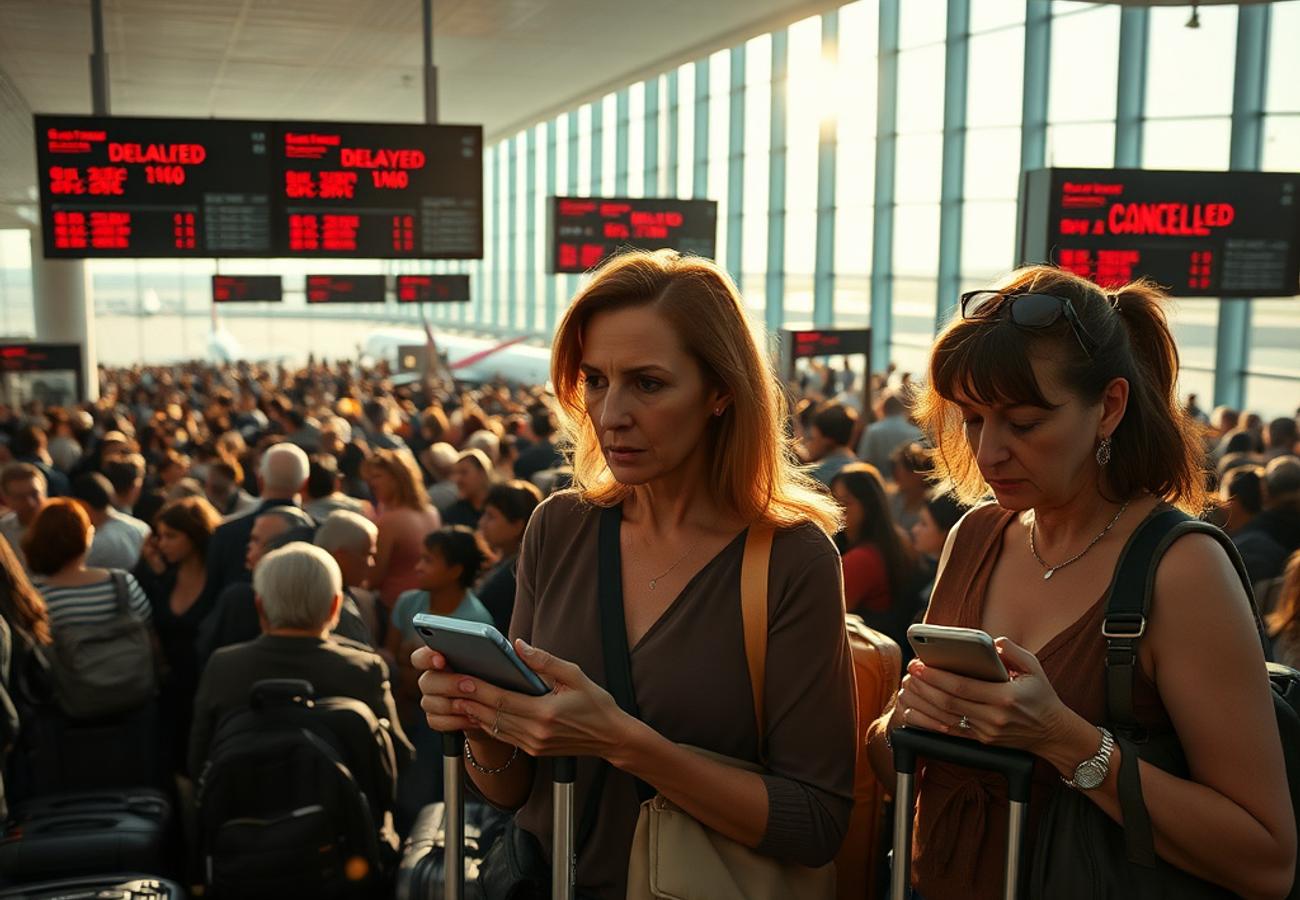
Image generated by AI
The Continental Revolt Nobody Saw Coming
A quiet but seismic shift is taking place across Europe's busiest travel hubs. According to an emergency operations bulletin from Majorca Daily Bulletin, a growing coalition of major continental airports is openly defying the European Union's newly mandated Entry/Exit System (EES) — a controversial digital border framework that's creating absolute mayhem during peak summer travel season.
The situation has become so dire that Palma de Mallorca Airport (PMI) — the primary gateway for hundreds of thousands of British families heading to the Balearic Islands — is now seriously considering joining Greece and Italy in simply waiving these rigorous biometric requirements altogether for incoming British vacationers. What started as a bureaucratic upgrade has become an existential threat to Mediterranean tourism infrastructure.
Why the EU's Border System is Collapsing Under Its Own Weight
When the Entry/Exit System (EES) went live earlier this year, European regulators promised a streamlined digital experience. The reality? Absolute operational chaos.
The system legally requires all non-EU arrivals to submit physical fingerprints and high-definition facial scans into a centralized database. Sounds efficient on paper. In practice, this automated protocol has triggered unprecedented passenger congestion that stretches well outside terminal customs halls, with queues sometimes extending hours during peak departures.
Reddit: "Just spent three hours in biometric queues at Rome Fiumicino. Three hours. For fingerprints. My kids were melting down. This is insane." — r/travel
Ground handling unions are now reporting that staff are working under what they describe as "hellish working conditions" due to mounting passenger frustration. The extra processing time required at manual border desks has effectively doubled standard passport control queues across the continent.
The Greek Precedent: First Domino Falls
Greece became the first EU member state to effectively rebel against these regulations.
Earlier this year, the Greek Embassy issued an official compliance declaration that explicitly exempted British passport holders from standard biometric tracking kiosks. This strategic administrative pivot allowed major hubs like Athens and Heraklion to completely bypass the bottlenecks threatening their peak-season operations.
The results were immediate. Processing times dropped dramatically, passenger satisfaction surged, and hotels reported fewer cancellations from families frustrated with airport delays. Airport directors openly credited the biometric waiver with preventing what would have been terminal gridlock during Easter holidays.
Greece's success emboldened others.
Italy Follows: The Mediterranean Pushback Intensifies
Not to be outdone, Italy is now moving down an identical path of regulatory non-compliance.
Both Rome Fiumicino Airport and Rome Ciampino Airport are currently implementing similar operational waivers to prevent severe terminal overcrowding. Italian airport directors have been remarkably candid: strictly enforcing the digital registration process during peak weekend flight banks would inevitably result in "absolute scheduling chaos."
This coordinated pushback from two of Europe's most powerful nations proves something critical — the current biometric framework is fundamentally incompatible with high-volume summer tourism. According to Travel Weekly, these regulatory exemptions are setting a precedent that's spreading like wildfire across the continent.
Mallorca's Perfect Storm: Long-Haul Growth Meets Border Chaos
While other airports wrestle with the EES crisis, Palma de Mallorca is facing a uniquely brutal combination of pressures.
The airport has faced notable processing delays since the biometric mandate went live. Local ground handling unions have issued urgent warnings that terminal staff are drowning under passenger frustration. The extra time required to register infrequent flyers at manual border desks has created cascading delays throughout the arrivals experience.
But here's where it gets critical: the island is simultaneously experiencing unprecedented long-haul expansion.
Air Canada has just inaugurated a highly anticipated transatlantic service connecting Montréal-Trudeau International Airport directly to Mallorca for the first time in regional aviation history. This major capacity injection brings a steady stream of high-spending, non-European Union travelers who must all clear external border checks upon landing.
The mathematics are brutal. More passengers from North America + mandatory biometric scanning + summer peak season = operational meltdown.
The Hospitality Sector Panics
Hoteliers and tourism operators across the Balearic Islands are in genuine panic mode.
Local government and regional hospitality associations are under immense pressure to secure a fast-track solution before peak summer arrivals max out terminal capacity. Industry sources report that hoteliers are "deeply terrified" that images of exhausted children waiting in sweltering airport queues will severely damage the island's hard-won reputation for luxury family escapes.
Consequently, local tourism chiefs are aggressively lobbying Madrid to grant Palma the exact same operational flexibility currently enjoyed by competing gateways in Greece and Italy. The argument is straightforward: if wealthy intercontinental passengers are forced to endure hours of bureaucratic gridlock before reaching their resorts, the island's ambitious strategy to diversify its global tourism base will collapse.
According to Business Travel News, tour operators are already receiving calls from anxious customers about revised travel arrangements and backup airports.
When Will the Decision Come?
Industry analysts predict that if terminal queues at Palma exceed manageable thresholds over the coming weekend, a temporary suspension of biometric scans will be enacted out of absolute logistical necessity — regulatory approval or not.
Until an official operational waiver is formally signed into law by the Ministry of the Interior, British travelers must remain fully prepared to complete the mandatory digital registration. Booking early morning flights or securing premium fast-track passes where available remains the most effective mitigation strategy.
The clock is ticking. Peak summer departures begin this week.
The EU's digital border system was supposed to streamline travel. Instead, it's becoming the biggest threat to Mediterranean tourism in a decade.
Related Travel Guides
Disclaimer
This article is for informational and educational purposes only. It does not constitute legal, financial, or professional advice. While we strive to provide accurate and up-to-date information, travel policies, regulations, and conditions change rapidly. Always verify information with official sources before making travel decisions. Nomad Lawyer makes no representations about the accuracy, reliability, completeness, or suitability of the information provided. Readers should consult qualified professionals for advice specific to their circumstances. The views expressed in this article are those of the author and do not necessarily reflect the views of Nomad Lawyer.
Kunal K Choudhary
Co-Founder & Contributor
A passionate traveller and tech enthusiast. Kunal contributes to the vision and growth of Nomad Lawyer, bringing fresh perspectives and driving the community forward.
Learn more about our team →