
British Airways and Norwegian Air Redefine Airline Branding Through Viral World Cup Bet in 2026
A high-stakes social media wager between British Airways and Norwegian Air during the 2026 World Cup proves that playful brand rivalry can drive massive passenger engagement.

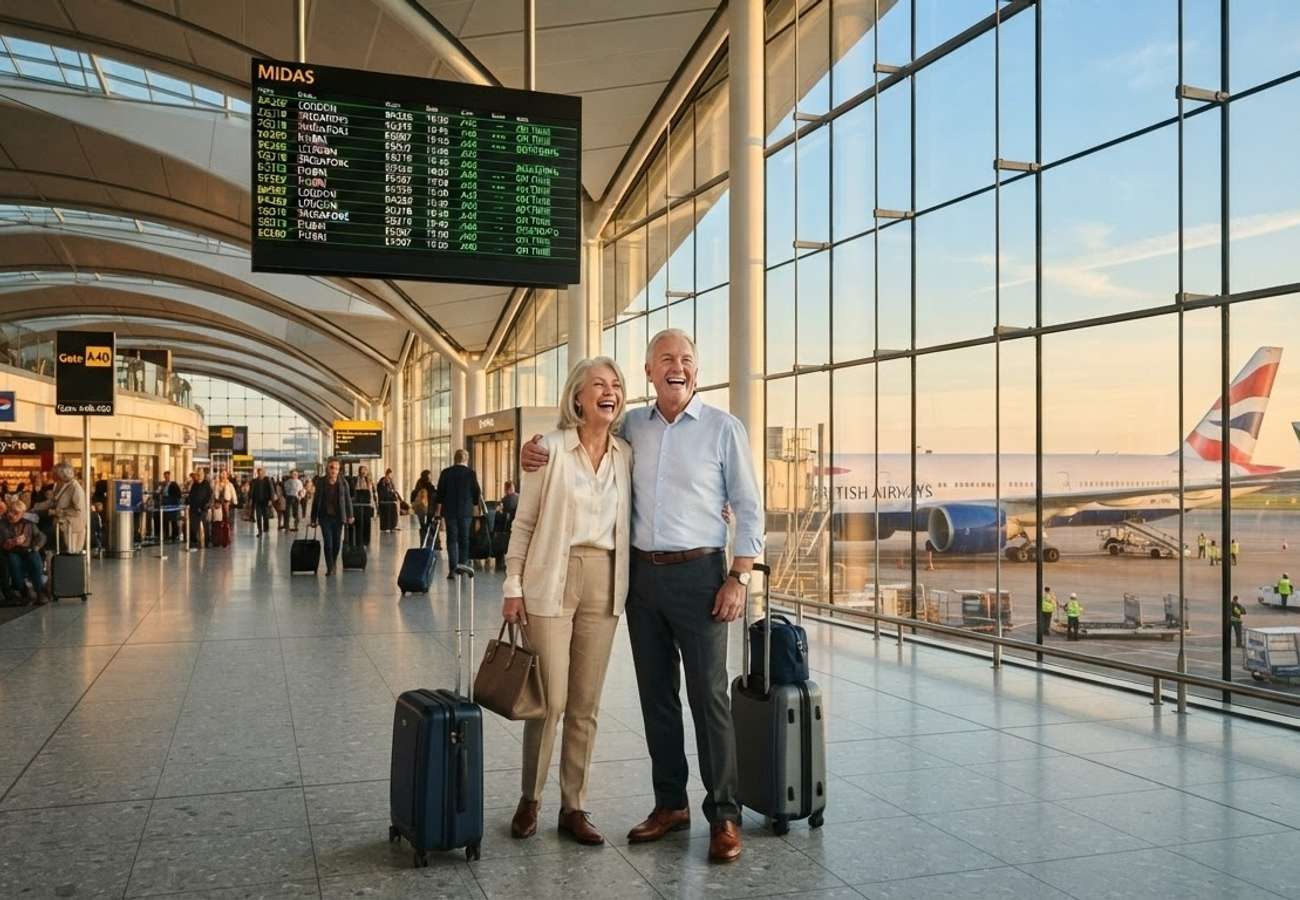
Image generated by AI
A daring Instagram wager between two aviation giants has transformed a standard sporting event into a masterclass in digital diplomacy and brand visibility.
The Local Trend Revealed
In an era where corporate communication often feels sanitized, Norwegian Air and British Airways recently broke the mold during the 2026 World Cup. The catalyst was a high-stakes match between England and Norway held at Miami Stadium. Rather than sticking to traditional sponsorships, Norwegian Air initiated a "digital duel" via Instagram, challenging British Airways to a bet: the airline associated with the losing national team would be forced to change its Instagram profile logo to that of the winner for one day.
The engagement began with a playful jab from British Airways, suggesting Norwegian Air shouldn't make bets they couldn't win. To solidify the agreement, Norwegian Air took the stunt offline. A member of their social media team flew to London, filming the journey for a vlog, and physically delivered a USB stick labeled "logo" to the British Airways headquarters. This physical exchange of digital assets turned a simple comment thread into a global sensation, drawing in followers who were more invested in the airline rivalry than the actual score on the pitch.
When England secured the victory in Miami, Norwegian Air honored the deal. For 24 hours, the Norwegian carrier's official Instagram page featured the British Airways logo. The move sparked a wave of positive sentiment across the industry, with several global carriers joining the conversation.
Cultural & Environmental Value (Information Gain)
This interaction represents a shift toward "Human-Centric Branding," where airlines move away from rigid corporate personas to foster genuine community connection. By leveraging the passion of the World Cup, both airlines supported the visibility of their respective home nations while promoting a spirit of sportsmanship.
Beyond the digital noise, the outcome resulted in a tangible cultural exchange. British Airways invited the Norwegian Air social media team to visit London on the airline's dime to explore the city. This initiative supports the local London economy and promotes cross-cultural professional exchange, moving the "competition" from the boardroom to a collaborative exploration of urban heritage.
The reaction from the wider aviation community highlights a growing trend of industry solidarity. Major carriers including KLM, Qantas, Air Asia, Virgin Australia, and AirBaltic publicly praised the campaign, suggesting that a collaborative approach to marketing can increase the overall appeal of air travel to a younger, digitally native demographic.
Visitor Insider Tips
For travelers following the footprint of these airlines or visiting the hubs involved in this rivalry, keep these local insights in mind:
- London Exploration: If you are visiting London following the British Airways invitation trend, avoid the primary tourist traps of Leicester Square. Instead, head to the Southbank for a walk between the Tate Modern and Borough Market for a more authentic taste of the city's current culinary scene.
- Miami Stadium Logistics: When attending major events at Miami Stadium, utilize ride-share apps but set your drop-off point two blocks away from the main gates to avoid the heavy gridlock typical of World Cup crowds.
- Norwegian Air Travel: When flying Norwegian, remember that as a low-cost carrier, they prioritize efficiency. To maximize your experience, pre-book your seat and meals online to avoid higher prices at the gate.
- Cultural Etiquette: In both Norway and the UK, "understatement" is a key social currency. Whether you are discussing football or flight delays, a bit of dry humor is often the best way to build rapport with locals.
Tourism Outlook
The long-term impact of this stunt is a blueprint for "Event-Driven Tourism." By linking their brand identity to a global event like the World Cup, these airlines have created a lasting emotional connection with passengers. We can expect to see more airlines utilizing "gamification" to drive ticket sales and brand loyalty in 2026 and beyond.
The transition from fierce competitors to "blossoming friends" suggests a future where airlines may collaborate more on codesharing and passenger experience initiatives rather than engaging in price wars. This shift benefits the traveler through more seamless connections and a more hospitable atmosphere across the transatlantic corridor.
A reminder that in the world of modern travel, the journey—and the joke—is often more important than the destination.
Related Travel Guides
Disclaimer
This article is for informational and educational purposes only. It does not constitute legal, financial, or professional advice. While we strive to provide accurate and up-to-date information, travel policies, regulations, and conditions change rapidly. Always verify information with official sources before making travel decisions. Nomad Lawyer makes no representations about the accuracy, reliability, completeness, or suitability of the information provided. Readers should consult qualified professionals for advice specific to their circumstances. The views expressed in this article are those of the author and do not necessarily reflect the views of Nomad Lawyer.
Kunal K Choudhary
Co-Founder & Contributor
A passionate traveller and tech enthusiast. Kunal contributes to the vision and growth of Nomad Lawyer, bringing fresh perspectives and driving the community forward.
Learn more about our team →