
Brazil Travel 2026: Navigating Rio, the Amazon, and Carnival Under Level 2 Safety Guidance

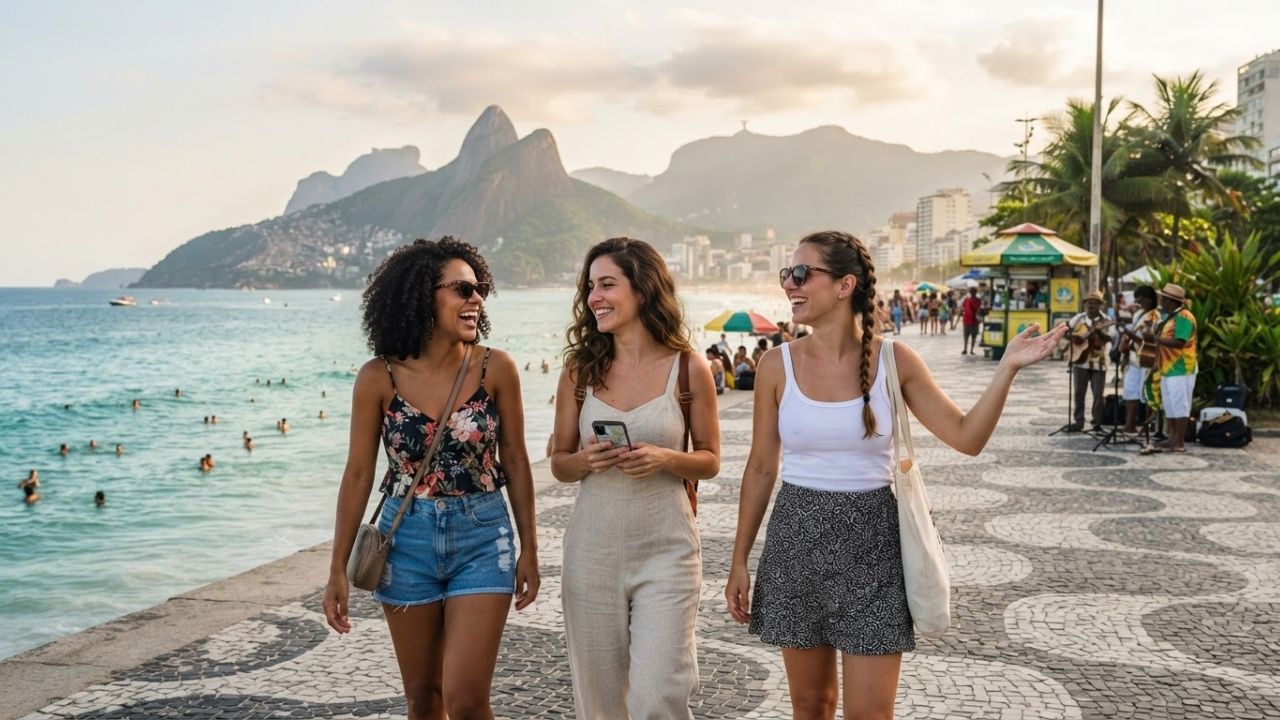
While the US Department of State maintains a Level 2: Exercise Increased Caution advisory for Brazil citing crime and kidnapping concerns, international arrivals across Rio de Janeiro, the Amazon basin, and Salvador continue surging in 2026. For travelers, modern Brazilian exploration hinges on informed neighborhood navigation, certified eco-operators, and authentic cultural immersion rather than holiday avoidance.
Brazil’s vast geographic footprint and cultural wealth have long positioned it as the anchor of South American tourism. While regional neighbors specialize in distinct niches—Argentina with Patagonia and Buenos Aires, Peru with Machu Picchu and Andean routes, and Colombia with its Caribbean heritage—Brazil provides an all-encompassing spectrum. A single itinerary can encompass world-famous urban coastlines, deep rainforest river navigations, thunderous cataracts at Iguaçu Falls, and world-renowned street festivals.
Deconstructing the US Level 2 Advisory: What It Means in Practice
The US State Department currently classifies Brazil under Level 2: Exercise Increased Caution, pointing to persistent concerns surrounding violent crime—including armed robbery, theft, carjacking—alongside kidnapping and hostage-taking risks in certain municipal sectors.
Critically, a Level 2 rating does not advise travelers to cancel bookings or avoid the country. Instead, federal guidance urges foreign visitors to take proactive situational precautions:
- Discreet Mobility: Refrain from wearing conspicuous jewelry, expensive wristwatches, or visibly displaying high-end cameras and smartphones on public streets.
- Banking and ATM Caution: Avoid outdoor street-side ATMs after dark; instead, conduct cash transactions inside secured bank branches, major shopping malls, or reputable hotels.
- Transit Awareness: Avoid taking municipal public buses during nighttime hours, where petty theft and armed robbery rates are higher. Rely instead on licensed radio taxis or app-based rideshares.
- Registration & Communications: Enroll in the Smart Traveler Enrollment Program (STEP) to receive real-time embassy security alerts and maintain clear daily contact schedules with family or travel companions.
The Urban Energy of Rio de Janeiro and the Coastal Circuit
Despite security advisories, Rio de Janeiro remains an unrivaled global tourism powerhouse. The city’s dramatic setting—where the Atlantic Ocean meets granite sea peaks and lush rainforest vegetation—delivers a feast of iconic highlights:
- Atlantic Shorelines: Copacabana and Ipanema beaches serve as social epicenters, flanked by beachfront boardwalk kiosks (quiosques) and sunbathers.
- Iconic Summits: Christ the Redeemer atop Mount Corcovado and the Sugarloaf Mountain cable car provide sweeping panoramic views over Guanabara Bay.
- Carnival Splendor: The annual Rio Carnival remains the planet's preeminent cultural spectacle, uniting millions through thunderous samba school parades in the Sambadrome and vibrant neighborhood street parties (blocos).
- Extended Coastal Hubs: Coastal waypoints like Florianópolis attract surf and beach enthusiasts, while northern hubs like Recife, Fortaleza, and the Afro-Brazilian cultural capital of Salvador in Bahia offer rich maritime gastronomy and colonial architecture.
Amazon Rainforest Expeditions: Sustainable Frontiers and Indigenous Stewardship
Far from coastal metropolitan areas, the Amazon rainforest represents Brazil's most vital conservation asset. Adventure travelers increasingly seek immersive, low-impact river journeys originating from Manaus:
- Eco-Lodges & River Navigations: Multi-day riverboat excursions explore primary rainforest canopies, blackwater tributaries, and the legendary "Meeting of the Waters" where the Rio Negro and Rio Solimões run side by side without mixing.
- Community-Led Conservation: Sustainable tourism programs partner with Indigenous communities and riverine ribeirinho families, providing direct income through guided wildlife tracking, medicinal plant walks, and traditional handicraft sales.
- Biodiversity Exploration: Working alongside conservation bodies like ICMBio (Chico Mendes Institute for Biodiversity Conservation), licensed operators ensure that wildlife encounters with pink river dolphins, giant otters, and jaguars follow strict non-intrusive protocols.
Local Visitor Insider Tips: Neighborhood Etiquette and Culinary Traditions
To experience Brazil with confidence and local savvy, incorporate these specialist recommendations:
- Mastering the Rio Sunset Hour: Join locals at Arpoador rock between Copacabana and Ipanema at dusk, where crowds traditionally applaud the sun as it sets behind the Two Brothers (Dois Irmãos) peaks. For a quieter sunset, visit the historic Urca seawall (Mureta da Urca) with a cold chopp (draft beer) and pastéis.
- Gastronomic Staples: Savor a traditional feijoada completa (black bean and pork stew served with farofa, collard greens, and orange slices), typically enjoyed on Saturdays. In Salvador, do not miss moqueca baiana—a fragrant seafood stew simmered with coconut milk, dendê palm oil, and fresh cilantro.
- Amazon River Timing: Plan Amazon expeditions during the low-water dry season (July through December) if you prioritize jungle hiking and sandbank beaches, or the high-water flooded season (January through June) if you want to kayak deep into flooded forests (igapós).
- Neighborhood Vigilance: In São Paulo and Rio, stick to well-patrolled, brightly lit tourist zones like Leblon, Ipanema, Jardins, and Vila Madalena. When visiting bohemian areas like Santa Teresa or historic Pelourinho in Salvador, travel with established walking tour guides and take rideshares between venues after sundown.
Tourism Outlook: The Power of Informed Exploration
Brazil’s tourism trajectory in 2026 demonstrates that traveller appetite for authentic cultural expression and pristine wilderness consistently outweighs fear-based avoidance. By coupling sensible safety practices with vetted local operators, international explorers can navigate Brazil's dynamic cities and wilderness waterways securely while directly supporting local community livelihoods.
Related Travel Guides
Disclaimer
This article is for informational and educational purposes only. It does not constitute legal, financial, or professional advice. While we strive to provide accurate and up-to-date information, travel policies, regulations, and conditions change rapidly. Always verify information with official sources before making travel decisions. Nomad Lawyer makes no representations about the accuracy, reliability, completeness, or suitability of the information provided. Readers should consult qualified professionals for advice specific to their circumstances. The views expressed in this article are those of the author and do not necessarily reflect the views of Nomad Lawyer.
Raushan Kumar
Founder & Lead Developer
Full-stack developer with 11+ years of experience and a passionate traveller. Raushan built Nomad Lawyer from the ground up with a vision to create the best travel and law experience on the web.
Learn more about our team →