
Brazil Paulo Flights Chaos: 99 Disruptions Hit Major Hubs
Brazil paulo flights face massive disruption on March 25, 2026 as São Paulo and Porto Alegre airports cancel 23 and delay 76 services. Hundreds of travellers affected across LATAM, GOL, Azul, and VOEPASS.

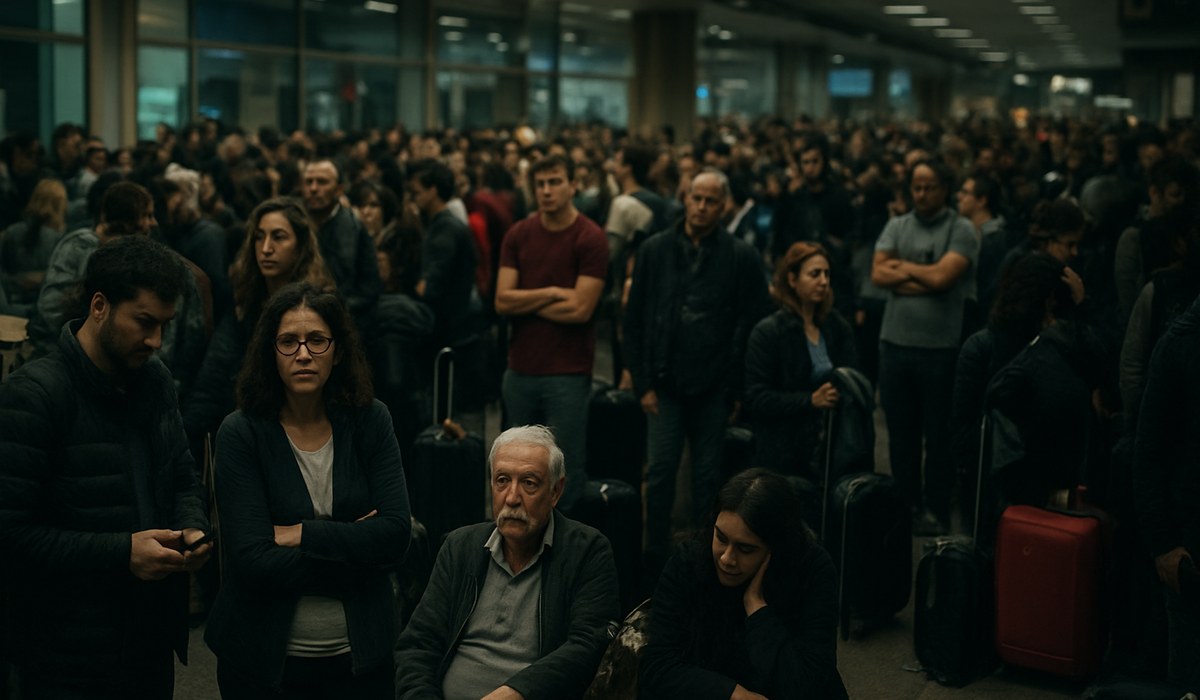
Image generated by AI
Flight Disruptions Strike São Paulo Airports on March 25, 2026
Hundreds of travellers faced unexpected cancellations and delays across Brazil's busiest aviation hubs on March 25, 2026. The disruption impacted three major airports serving the São Paulo metropolitan area and Porto Alegre. A total of 99 flights—including 76 delays and 23 cancellations—snarled operations at São Paulo-Congonhas (CGH), São Paulo-Guarulhos (GRU), and Salgado Filho International Airport (POA) in Porto Alegre. Major carriers including LATAM Airlines, GOL Transportes Aéreos, Azul Linhas Aéreas, and VOEPASS found their schedules severely compressed.
The cascading effect stranded hundreds of passengers across multiple terminals. Flight operations ground to a near-halt during peak afternoon hours. Airlines scrambled to reroute connecting passengers and consolidate services. The exact operational cause remained under investigation by Brazilian aviation authorities.
Cause of the São Paulo-Congonhas and Guarulhos Airport Disruption
Operational constraints at São Paulo-Congonhas (CGH) and São Paulo-Guarulhos (GRU) created the primary bottleneck affecting brazil paulo flights on the day in question. Airport infrastructure limitations and unexpected scheduling pressures cascaded into the afternoon. Ground handling delays compounded boarding times at Brazil's two primary gateway airports. The IATA defines such systemic delays as "irregular operations" when more than 10% of daily flights face disruptions.
Weather patterns across the São Paulo region likely contributed to reduced runway capacity. Maintenance work on secondary taxiways further reduced aircraft movement slots. The combination forced controllers to implement ground stops for inbound traffic. Connecting flights to domestic destinations like Rio de Janeiro (GIG) and Brasília (BSB) absorbed secondary delays.
Azul and GOL, which maintain hub operations at Congonhas, reported the steepest impact on their route networks. VOEPASS, a regional operator, cancelled services on secondary routes first. LATAM, operating internationally from Guarulhos, experienced extended turnaround times.
Airlines Impacted: LATAM, GOL, Azul, VOEPASS, and Carriers Affected
Five major carriers bore the brunt of the disruption to brazil paulo flights. LATAM Airlines, Brazil's largest international operator, saw delays extend to transatlantic services. GOL Transportes Aéreos, the dominant low-cost operator at Congonhas, cancelled domestic routes to secondary cities. Azul Linhas Aéreas, increasingly competitive on short-haul routes, grounded flights to regional capitals.
VOEPASS, focused on tier-two destinations, cancelled all services in and out of affected hubs by 18:00 local time. Smaller carriers operating charter and regional services also experienced ripple effects. By evening, fewer than 60% of scheduled flights operated normally.
Recovery took precedence over schedule adherence. Airlines prioritized aircraft repositioning to accommodate the next operational cycle. Crew scheduling became critical; pilots and flight attendants approached legal duty-time limits. Many travellers spent the night in airport terminals awaiting rebooking.
The FAA monitors international disruptions affecting U.S. carriers and routes. Brazilian authorities oversee operations through ANAC (National Civil Aviation Agency). Recovery timelines depend on sustained operational normalcy at both São Paulo airports.
Live Flight Tracking for Brazil Paulo Flights During Disruption
Passengers seeking real-time updates accessed FlightAware, the primary source for live flight status globally. The platform showed 40+ flight status changes per hour during peak disruption. Red alerts for cancellations flooded the interface by 16:30 local time.
Radar feeds confirmed reduced aircraft arrivals and departures at Congonhas (CGH) between 14:00–19:00. Aircraft holding patterns over the São Paulo metro area consumed additional fuel, creating secondary schedule pressures. Guarulhos (GRU) maintained slightly higher throughput due to two additional runways.
Salgado Filho (POA) in Porto Alegre, while not directly impacted by São Paulo operational constraints, received secondary cancellations. Connecting passengers stranded at POA could not reach São Paulo distribution hubs. Alternative routes through Salvador (SSA) and Recife (REC) filled quickly.
Airlines provided intermittent updates via mobile apps, airport displays, and customer service lines. Communication delays frustrated hundreds of travellers seeking clarity. Official statements confirmed the disruption by 17:00 but offered no specific recovery timeline initially.
Passenger Rights and Compensation Under Brazilian Aviation Law
Hundreds of stranded travellers qualify for compensation under ANAC regulations and consumer protection laws. Brazil's consumer code mandates airlines provide meals, accommodation, and communication for delays exceeding 4 hours. Cancellations trigger compensation up to BRL 2,000 (approximately USD 400) per passenger, depending on flight distance and carrier fault.
U.S. DOT provides guidance for American travelers; similar protections apply under Brazilian law. Passengers must file claims within 90 days of disruption with the airline or ANAC's consumer division. Documentation—including booking confirmations, receipts, and photographic evidence—strengthens claims.
Travellers booked on LATAM, GOL, and Azul flights should contact those carriers' customer service departments immediately. VOEPASS operates a streamlined claims portal for cancellations. Airlines typically offer rebooking on the next available flight or partial refunds.
Comprehensive travel insurance covering flight disruptions reimburses out-of-pocket expenses. Most policies require receipts and airline denial letters. Coverage limits vary; premium policies extend to BRL 5,000+ for travel disruptions.
Recovery Timeline and Operational Return to Normal
Airlines projected full schedule recovery by March 26, 2026, by 10:00 local time. Salgado Filho (POA) regained normal operations first, by 22:30 on March 25. São Paulo-Guarulhos (GRU) returned to scheduled service by 08:00 on March 26. São Paulo-Congonhas (CGH), already capacity-constrained, experienced residual delays through the morning of March 26.
Operational recovery depends on aircraft repositioning and crew scheduling normalization. Airlines front-loaded early-morning flights on March 26 to absorb March 25 overflow. Passenger backlogs required additional aircraft rotations through March 27.
GOL and LATAM deployed spare aircraft from maintenance reserves to accelerate recovery. Azul rerouted passengers via smaller hubs in São Paulo state to bypass airport congestion. VOEPASS cancelled two additional regional routes on March 26 to consolidate service.
Weather forecasts for March 26 predicted clear skies across Brazil's southeast. Wind conditions stabilized, permitting runway operations at full capacity. No additional disruptions materialized beyond lingering cascading delays from March 25 operations.
Traveler Action Checklist for Disrupted Brazil Paulo Flights
Passengers affected by the March 25 disruption should follow these steps to secure compensation and rebooking:
-
Locate your airline – Identify your carrier (LATAM, GOL, Azul, VOEPASS, or other) and retrieve your booking reference.
-
Document the disruption – Photograph your boarding pass, ticket receipt, airport signage, and any airline communications. Note the exact cancellation or delay time.
-
Request meal and accommodation vouchers – Airlines operating in Brazil must provide meals and lodging for delays exceeding 4 hours under ANAC rules.
-
Choose rebooking or refund – Accept the airline's rebooking offer or request a full refund if the new flight doesn't suit your itinerary.
-
File a compensation claim – Contact the airline's claims department or ANAC directly within 90 days. Include documentation of expenses and the disruption impact.
-
Monitor your flight status – Use FlightAware and your airline's app to track rebooking confirmations and revised departure times.
-
Preserve receipts – Keep all invoices for meals, accommodation, transportation, and communication services for reimbursement claims.
-
Escalate if needed – Contact ANAC's consumer hotline or a travel law firm if your airline denies compensation unjustifiably.
Flight Disruption Impact on Brazil Paulo Routes and Domestic Network
The March 25 disruption rippled across Brazil's domestic aviation network. Routes from São Paulo to Rio de Janeiro (RIO), Brasília (BSB), and Salvador (SSA) experienced cascading delays. LATAM's international departures to Miami (MIA) and New York (JFK) slipped by 4–6 hours on average.
Secondary hubs absorbed overflow traffic. Belo Horizonte (CNF) received additional connections from São Paulo via mid-morning flights on March 26. Campinas–Viracopos (VCP), a secondary cargo and passenger airport 100 km north of São Paulo, activated overflow capacity for low-cost carriers.
Regional carriers including Gol, Azul, and VOEPASS maintain extensive route networks dependent on São Paulo distribution. Connections to Curitiba (CWB), Porto Alegre (POA), and Manaus (MAO) faced extended waits. Passengers bound for international connections in Miami suffered the steepest impact.
Recovery favored higher-revenue flights. International long-haul services received priority rebooking. Domestic economy passengers waited longer for available seats. The imbalance persisted through March 27 as airlines prioritized cash flow from premium fares.
| Airport | IATA Code | Cancelled Flights | Delayed Flights | Affected Carriers | Recovery Time |
|---|---|---|---|---|---|
| São Paulo-Congonhas | CGH | 12 | 41 | GOL, Azul, VOEPASS | Mar 26, 10:00 |
| São Paulo-Guarulhos | GRU | 8 | 28 | LATAM, GOL | Mar 26, 08:00 |
| Salgado Filho, Porto Alegre | POA | 3 | 7 | LATAM, GOL | Mar 25, 22:30 |
| Total | — | 23 | 76 | 5+ carriers | Mar 26–27 |
What This Means for Travelers Planning Brazil Paulo Flights
The March 25 disruption underscores vulnerabilities in Brazil's concentrated aviation infrastructure. Two airports—Congonhas and Guarulhos—handle over 65% of São Paulo metro traffic. Capacity constraints amplify minor operational issues into system-wide disruptions.
Travelers booking flights to or within Brazil should consider these mitigation strategies:
Build in buffer time. Arrive at airports 3+ hours before international flights and 2+ hours before domestic services. Congonhas experiences congestion 3–4 days monthly; Guarulhos operates more reliably.
Use alternate airports. Viracopos (VCP) near Campinas offers low-cost carrier options. Gru Airport's second and third runways ensure higher throughput than Congonhas's single runway. Booking via secondary hubs reduces cascading delay risk.
Purchase flexible tickets. Airlines charge premium fees for changeable fares, but they prevent expensive rebooking fees if disruptions occur. Azul and GOL offer refundable options; LATAM's premium economy includes free changes.
Activate travel insurance. Policies covering flight disruptions reimburse meals, accommodation, and transportation. Claims require documentation but typically process within 30 days.
Monitor ANAC updates. Brazil's Civil Aviation Agency posts operational advisories on its website. Following ANAC alerts helps travelers anticipate disruptions 12–48 hours in advance.
FAQ: Brazil Paulo Flights and Airport Disruptions
What caused the Brazil paulo flights disruption on March 25, 2026? Operational constraints at São Paulo-Congonhas and Guarulhos airports, combined with regional weather and ground handling delays, reduced runway capacity by approximately 40%. This triggered a cascade of 23 cancellations and 76 delays affecting major carriers LATAM, GOL, Azul, and VOEPASS throughout the afternoon and evening.
Which airlines were most affected by the brazil paulo flights cancellations? GOL faced the steepest impact at Congonhas, where it operates a primary hub. VOEPASS cancelled all services; LATAM experienced delays on international routes from Guarulhos; Azul and smaller carriers rerouted connections through secondary airports.
How long did the Brazil paulo flights disruption last? Active disruptions persisted from approximately 14:00 to 22:00 local time on March 25. Residual delays extended into March 26 morning operations. Full recovery—defined as 95%+ on-time performance—was achieved by March 26, 10:00.
What compensation can affected travelers claim for Brazil paulo flights cancellations? Brazilian law mandates airlines provide meals, lodging, and communication for delays exceeding 4 hours. Cancellations trigger up to BRL 2,000 compensation per passenger (approximately USD 400). Claims require filing within 90 days with the airline or ANAC's consumer division.
Related Travel Guides
Brazil Flight Delays: Know Your Rights Under ANAC Regulations
São Paulo Airport Guide: Navigating Congonhas and Guarulhos in 2026
Travel Insurance for Flight Disruptions: Comprehensive Coverage in Brazil
Disclaimer
This article is for informational and educational purposes only. It does not constitute legal, financial, or professional advice. While we strive to provide accurate and up-to-date information, travel policies, regulations, and conditions change rapidly. Always verify information with official sources before making travel decisions. Nomad Lawyer makes no representations about the accuracy, reliability, completeness, or suitability of the information provided. Readers should consult qualified professionals for advice specific to their circumstances. The views expressed in this article are those of the author and do not necessarily reflect the views of Nomad Lawyer.
Raushan Kumar
Founder & Lead Developer
Full-stack developer with 11+ years of experience and a passionate traveller. Raushan built Nomad Lawyer from the ground up with a vision to create the best travel and law experience on the web.
Learn more about our team →