
Brazil 2026 Election and US Venezuelan Oil Controls Create High-Risk Environment for South American Aviation and Business Travel
Brazil's October 2026 elections, coupled with US-supervised Venezuelan oil revenues following the capture of Nicolás Maduro, are driving significant compliance and operational risks for aviation and MICE travel.

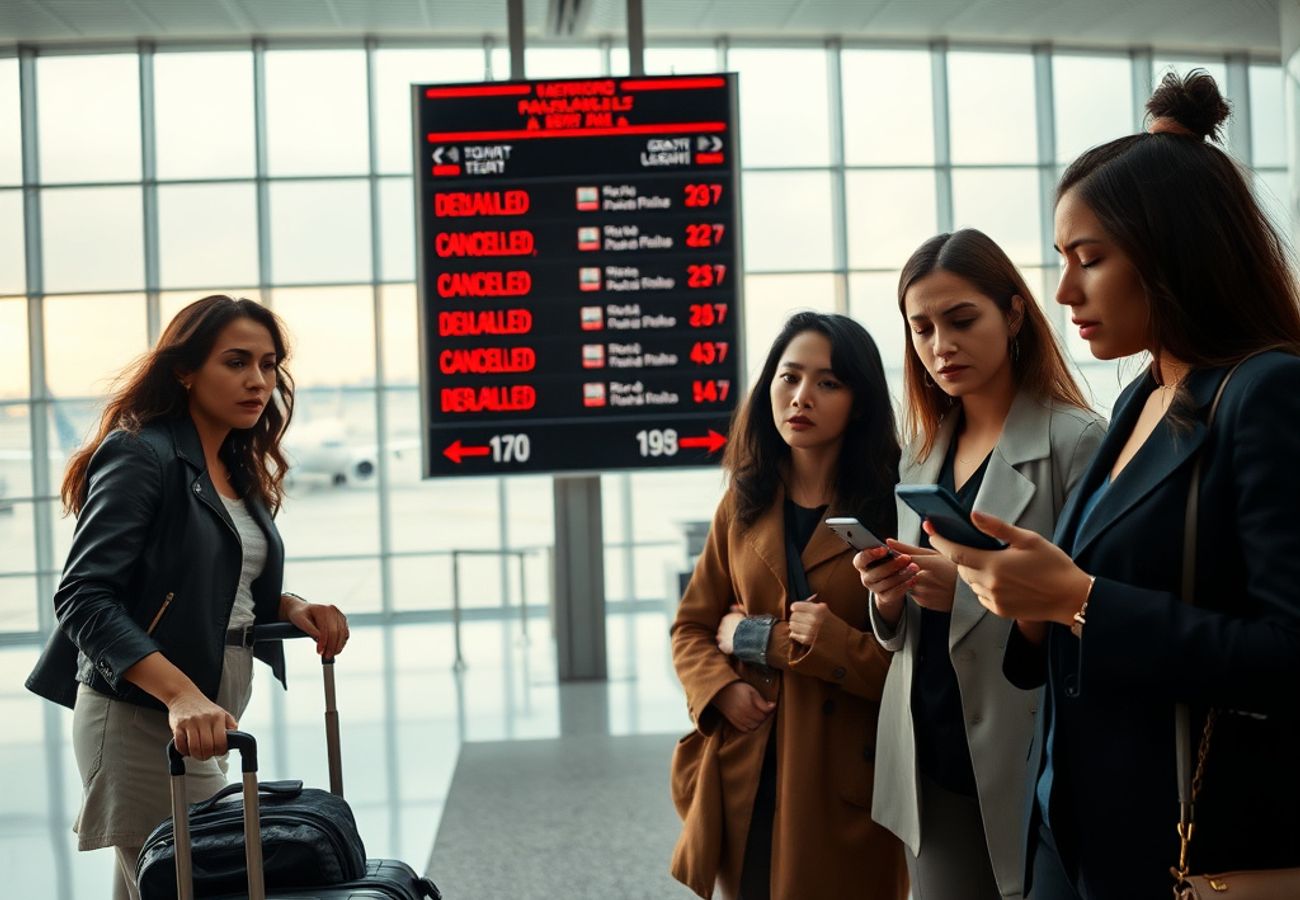
Image generated by AI
Brazil has emerged as the primary electoral risk center for the travel industry in South America for 2026. With the capture of Nicolás Maduro and the implementation of U.S.-supervised Venezuelan oil revenue frameworks, corporate travel and aviation sectors face a complex landscape of sanctions compliance and operational volatility.
The Disruption Details: Brazil's Electoral Timeline
Following the completion of voting cycles in Peru and Colombia, Brazil remains the final major democratic test in the region for 2026. The scale of this event is immense, involving an electorate of more than 158 million people.
Biometric registration is currently complete for approximately 140 million voters, representing 88.78 per cent of the eligible population. This volume of activity creates significant operational pressure on hotels, ground transport, and regional aviation networks.
The critical dates for the 2026 Brazilian electoral cycle are:
- Party Conventions: 20 July to 5 August
- Candidate Registration Deadline: 15 August
- Official Campaign Start: 16 August
- First Voting Round: 4 October
- Second Voting Round (if required): 25 October
Regional Political Status and Travel Significance
Our analysis of the South American political landscape indicates a shift from campaign-related risks to policy-implementation monitoring in several key markets.
| Country/Event | 2026 Milestone | Status (as of 15 July) | Travel Industry Impact |
|---|---|---|---|
| Venezuela | Capture of Nicolás Maduro (2 Jan) | Transition active | High compliance and security requirements |
| Peru | General Election (12 April) / Second Round (7 June) | Cycle completed | Focus on post-election policy |
| Colombia | First Round (31 May) / Second Round (21 June) | Cycle completed | Focus on border and aviation growth |
| Brazil | First Round (4 Oct) / Second Round (25 Oct) | Election pending | Immediate focus for MICE and corporate planning |
US Venezuelan Oil Controls and Compliance Risks
The geopolitical environment was fundamentally altered on 2 January 2026, when U.S. forces captured Nicolás Maduro and Cilia Flores during Operation Absolute Resolve. Subsequently, a U.S. executive order dated 9 January 2026 established a supervised system for Venezuelan oil and diluent revenues held in U.S. Treasury accounts.
While legal ownership of reserves remains with Venezuela, the U.S. Office of Foreign Assets Control (OFAC) maintains exceptional supervisory influence over financial channels. Licences were further amended on 10 June 2026, affecting port and airport operations, petrochemicals, and investment contracts.
Travel Management Companies (TMCs) and aviation providers must implement rigorous screening to avoid sanctions violations. Risk exposure often occurs indirectly through:
- Payment intermediaries and beneficial owners.
- Charter-flight passengers and specific flight purposes.
- Logistics providers and cross-border ground-service contractors.
- Insurance validity for marine and aviation assets.
Aviation Fuel Volatility and Cost Projections
Flight tracking and industry data show significant fluctuations in jet fuel costs, though a direct causal link to the Venezuelan situation remains unproven.
Flight data and IATA reports indicate a global average jet-fuel price of US$127.06 per barrel for the latest reported July week, marking a 6.7 per cent weekly increase.
Fuel Expenditure Forecasts:
- IATA 2026 Projection: US$350 billion (compared to US$252 billion in 2025).
- IATA Average Assumption: US$152 per barrel.
- EIA Brent Forecast (Q4 2026): Approximately US$70 per barrel.
- EIA Brent Forecast (2027): Approximately US$65 per barrel.
Passenger Rights & Advisory (Information Gain)
Travelers booking corporate or MICE trips to Brazil during the October election window should be aware of their protections and the potential for sudden disruptions.
Rebooking and Cancellations Under most international aviation standards, if a flight is canceled due to political instability or airport closures, passengers are entitled to a full refund or re-routing to their final destination at the earliest opportunity. For flights departing from EU member states or involving EU carriers, EU261/2004 regulations provide specific compensation for delays exceeding three hours, unless the disruption is classified as an "extraordinary circumstance" (which often includes political unrest or government-mandated airport closures).
Duty of Care and Security Corporate travelers should ensure their insurance policies specifically cover "political evacuation" and "civil unrest." We recommend:
- Registration: Registering with national embassies (e.g., STEP for US citizens) to receive real-time security alerts.
- Vouchers: In the event of prolonged delays at Brazilian hubs, passengers should request food and hotel vouchers from the carrier, regardless of the "extraordinary" nature of the delay.
- Documentation: Maintaining a digital and physical copy of all sanctions-compliance approvals if traveling for energy, mining, or infrastructure projects.
Industry Analyst View
The intersection of Brazil's massive electoral exercise and the U.S. regulatory grip on Venezuelan energy creates a high-friction environment for regional aviation. Carriers are currently squeezed between rising operational costs—evidenced by the US$98 billion jump in projected fuel spend between 2025 and 2026—and the need for stringent compliance audits.
The primary challenge for operators will be maintaining fluidity in the "Southern Cone" network while navigating the shifting licenses issued by OFAC. Any misstep in passenger screening or payment processing involving sanctioned entities could lead to severe financial penalties, making the 2026 Brazil election a test of operational resilience as much as political stability.
Operational vigilance is now the primary requirement for all South American transit.
Related Travel Guides
Disclaimer
This article is for informational and educational purposes only. It does not constitute legal, financial, or professional advice. While we strive to provide accurate and up-to-date information, travel policies, regulations, and conditions change rapidly. Always verify information with official sources before making travel decisions. Nomad Lawyer makes no representations about the accuracy, reliability, completeness, or suitability of the information provided. Readers should consult qualified professionals for advice specific to their circumstances. The views expressed in this article are those of the author and do not necessarily reflect the views of Nomad Lawyer.
Preeti Gunjan
Contributor & Community Manager
A passionate traveller and community builder. Preeti helps grow the Nomad Lawyer community, fostering engagement and bringing the reader experience to life.
Learn more about our team →