
Brain Scientist Thawing Friend's Fragments After Decade in Cryogenic Storage
A renowned cryobiologist has begun examining his deceased colleague's brain after 12 years of preservation at -146°C. The brain scientist thawing neural tissue reveals surprisingly intact cellular structures, potentially reshaping future neuropreservation protocols.

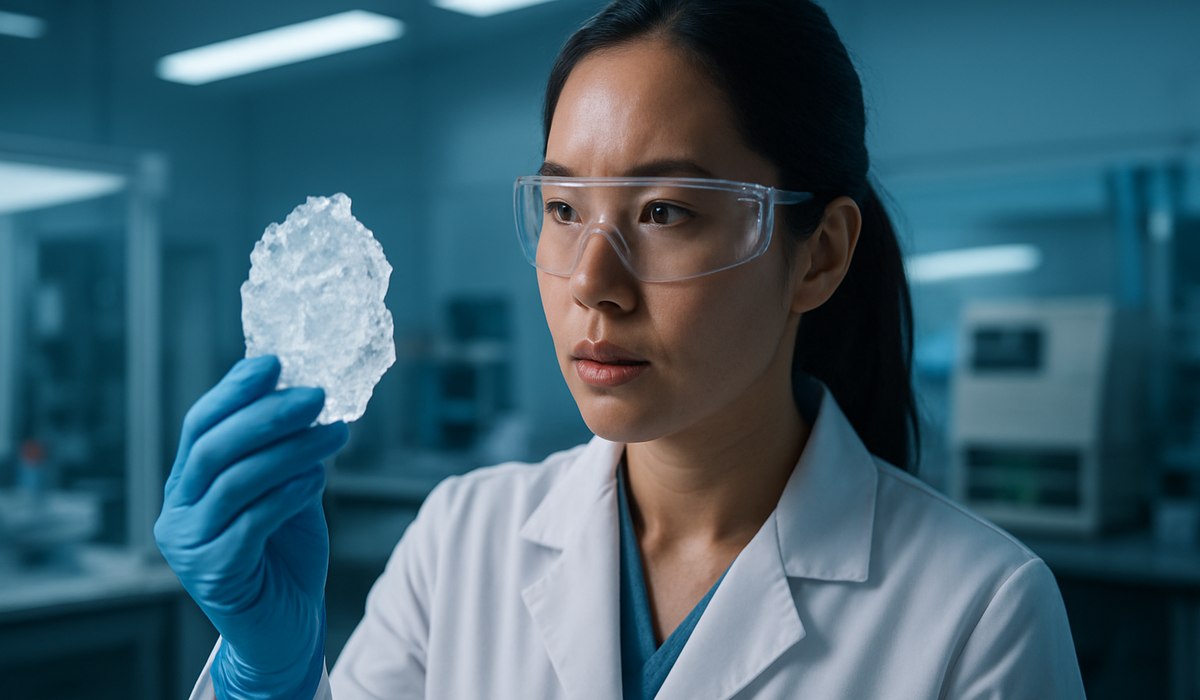
Image generated by AI
A Historic Moment in Cryobiology: Brain Scientist Thawing Decade-Old Tissue
Greg Fahy, a pioneering cryobiologist, has begun the first detailed examination of his longtime colleague's preserved brain tissue after more than a decade of cryogenic storage in Arizona. The brain scientist thawing these neural fragments belongs to L. Stephen Coles, an influential biogerontologist who passed away in 2014 and specifically requested brain-only preservation. Held at an extreme -146 degrees Celsius (-295°F), the tissue has remained in suspended animation for over twelve years. In March 2026, Fahy's biopsy findings revealed tissue structures remarkably intact despite the extraordinary freezing process. This breakthrough represents one of the first scientific examinations of long-term neuropreservation, offering critical insights into whether human brain tissue can survive extreme cryogenic conditions without irreparable damage.
The First Brain-Only Cryopreservation Patient
Coles was among the world's earliest volunteers for neuropreservation, a radical procedure distinct from full-body cryogenic preservation. Rather than freezing an entire cadaver, neuropreservation involves specialized decapitation and preservation of the brain alone—a controversial but scientifically focused approach. Coles' decision wasn't motivated by hopes of resurrection, as many cryopreservation patients are. Instead, he saw his own preservation as a scientific experiment. He hoped future researchers could examine his brain tissue to determine whether extreme cold causes catastrophic damage called "cracking" to neural structures during the freezing process.
This philosophical approach distinguished Coles from typical cryopreservation patients. His ultimate goal was advancing the field of cryobiology itself, offering scientists a real-world test case. The brain scientist thawing his fragments today operates under this original research mandate, making each discovery a step toward understanding tissue preservation limits. According to statements provided to major scientific publications, Coles deliberately chose to become a biological specimen for the greater good of cryobiological research.
How Extreme Cold and Chemical Solutions Preserved Neural Tissue
The preservation process employed multiple protective mechanisms to shield Coles' brain from damage. Extreme cold alone would cause catastrophic ice crystal formation, destroying cellular architecture. To prevent this, cryobiologists utilized specialized "cryoprotective" chemical solutions that replace water molecules in tissue. These compounds function similarly to antifreeze in vehicles, preventing ice formation and maintaining cellular structure integrity.
Stored at -146°C, the preserved tissue experienced minimal metabolic activity—essentially achieving biological stasis. The brain scientist thawing and examining these neural fragments discovered that the cryoprotective cocktail performed remarkably well. Cellular membranes remained largely intact, and the overall tissue architecture survived the deep-freeze process with surprising vigor. Fahy reported the tissue preservation as "astonishingly well preserved," defying predictions that such extreme freezing would cause substantial structural damage.
However, perfect preservation proved impossible. The examination revealed some degradation, though far less than anticipated. These findings suggest that properly executed cryopreservation can maintain neural tissue viability to degrees previously uncertain. The research indicates that preservation methodology directly impacts outcomes—careful chemical preparation and controlled freezing rates appear critical to success.
What the Brain Scientist Thawing Reveals About Future Preservation
The preliminary examination of Coles' fragments offers profound implications for neuropreservation technology. If neural tissue can survive over a decade of extreme freezing with minimal damage, the theoretical possibility of future reanimation becomes less scientifically absurd. However, significant challenges remain. Current thawing techniques risk causing additional damage that freezing somehow avoided. Rewarming tissue gradually without introducing ice crystal formation requires unprecedented precision.
The brain scientist thawing these fragments has yet to publish peer-reviewed findings, though preliminary observations suggest cautious optimism. Some researchers remain deeply skeptical. John Bischof, a cryopreservation specialist at the University of Minnesota, emphasized that "this brain is not alive," highlighting the distinction between tissue preservation and functional restoration. Viable tissue doesn't automatically mean functional revival is possible.
Yet the examination results do support continued research into neuropreservation protocols. If human neural tissue can survive freezing with structural integrity maintained, scientists possess a more solid foundation for developing future preservation and revival technologies. The brain scientist thawing Coles' tissue has effectively proven that decades-long storage doesn't inevitably result in complete biological failure—a revelation that reshapes the field's trajectory.
The Scientific Rationale Behind Coles' Radical Decision
Coles' choice to undergo neuropreservation stemmed from deeper scientific conviction than simple hope for revival. As a biogerontologist—a scientist studying aging processes—he understood preservation technology's limitations and potential. His decision to become a research subject himself demonstrated commitment to advancing the field through direct contribution. Rather than waiting for technology to develop, he accelerated progress by providing researchers actual preserved tissue to examine.
This approach aligned with Coles' broader academic philosophy. Biogerontology pursues understanding of aging mechanisms, and cryopreservation research directly supports that mission. By allowing his brain to be studied, Coles contributed definitive data about tissue preservation outcomes. The brain scientist thawing his tissue today operates within a framework established by Coles himself—examining whether preservation works, how it works, and what damage occurs despite protective measures.
Coles' legacy extends beyond his own preserved tissue. His decision legitimized neuropreservation as serious scientific pursuit rather than mere science fiction fantasy. By framing his preservation as a research protocol rather than a resurrection gamble, Coles elevated the conversation around brain preservation's feasibility. His contributions to gerontology and preservation studies continue influencing contemporary research directions.
Key Data Table: Brain Scientist Thawing Tissue—Timeline and Specifications
| Aspect | Details |
|---|---|
| Patient | L. Stephen Coles, Biogerontologist |
| Death Date | 2014 |
| Preservation Type | Brain-only neuropreservation |
| Freezing Temperature | -146°C (-295°F) |
| Storage Duration | 12+ years (2014-2026) |
| Examination Began | March 2026 |
| Lead Researcher | Greg Fahy, Cryobiologist |
| Preservation Method | Cryoprotective chemical solutions |
| Primary Finding | Astonishingly intact neural tissue structure |
| Damage Level | Minimal compared to predictions |
| Publication Status | Peer review pending (as of 2026) |
What This Means for Travelers
While neuropreservation research occurs primarily in specialized laboratory settings, the implications ripple across multiple sectors relevant to travelers and global populations.
-
Medical Tourism Evolution: As preservation technology advances, specialized medical tourism may develop around cryobiological research facilities. Current centers operate in Arizona and other locations, potentially attracting researchers and interested observers worldwide.
-
Bioethics Conversations: Travelers engaging with cutting-edge medical research destinations should understand the ethical frameworks governing such work. Coles' voluntary participation established precedents for informed consent in preservation protocols.
-
Scientific Destination Development: Research breakthroughs could incentivize development of specialized medical research tourism near cryobiological facilities, creating new travel opportunities centered on scientific advancement.
-
Insurance and Legal Considerations: Travelers interested in cryopreservation options should investigate legal frameworks in different jurisdictions, as regulations vary significantly worldwide regarding neuropreservation protocols.
-
Future Healthcare Planning: Understanding preservation technology's viability helps travelers make informed decisions about long-term medical planning and advance healthcare directives in different countries.
Frequently Asked Questions
**Q: What exactly is neuropre
Raushan Kumar
Founder & Lead Developer
Full-stack developer with 11+ years of experience and a passionate traveller. Raushan built Nomad Lawyer from the ground up with a vision to create the best travel and law experience on the web.
Learn more about our team →