
Sharks Showing Unusually High Cocaine Levels in Bahamas Waters
Scientists discover sharks showing unusually high levels of cocaine, caffeine, and painkillers near Eleuthera Island in the Bahamas. Research reveals severe marine pollution threatening pristine Caribbean ecosystems in 2026.

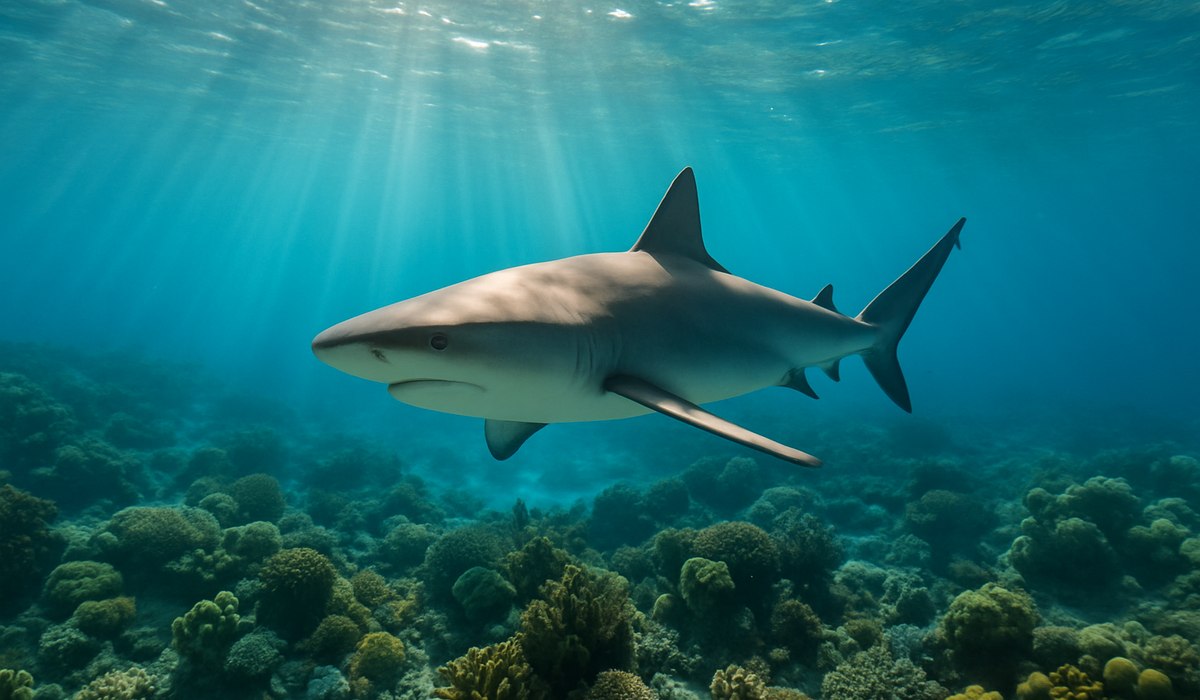
Image generated by AI
Caribbean Sharks Reveal Shocking Drug Contamination
Sharks swimming near Eleuthera Island in the Bahamas are testing positive for cocaine, caffeine, and painkillers, according to research published in Environmental Pollution. Brazilian scientists conducted blood tests on 85 sharks and discovered that 28 specimens—including Caribbean reef sharks, Atlantic nurse sharks, and lemon sharks—contained detectable traces of human pharmaceuticals and illicit drugs. The findings expose how marine pollution penetrates even remote island ecosystems, raising urgent questions about water quality in supposedly pristine vacation destinations.
How Scientists Discovered Drug Contamination in Bahamas Sharks
Researchers from the Federal University of Paraná in Brazil, led by biologist Natascha Wosnick, collected blood samples from sharks captured near Eleuthera Island, one of the Bahamas' most remote locations. The team analyzed 85 specimens and documented an alarming pattern: nearly one-third tested positive for substances commonly found in human waste.
Wosnick's research builds on previous discoveries of cocaine in sharks off Rio de Janeiro's coast. She attributes the Bahamas contamination to human activity—specifically tourists and residents introducing waste into waters through sewage systems and direct disposal. "It's mostly because people are going there, peeing in the water and dumping their sewage in the water," Wosnick explained to Science News.
The research highlights how marine animals inadvertently expose pollution sources through bioaccumulation. Sharks, as apex predators, concentrate contaminants throughout their bodies, making them reliable environmental indicators of water quality degradation.
Which Substances Were Found and Why They Matter
The contamination profile reveals three categories of human-derived chemicals: illicit drugs, legal pharmaceuticals, and stimulants. Cocaine appeared in multiple sharks, including a juvenile lemon shark. Wosnick theorizes that sharks ingested packets containing cocaine residue while investigating objects in their environment.
Beyond cocaine, researchers detected non-steroidal anti-inflammatory drugs (NSAIDs) like diclofenac and acetaminophen—the active ingredient in common pain relievers. Caffeine, widely present in human beverages, also appeared in multiple samples.
Wosnick emphasizes that legal substances deserve equal concern. "While the detection of cocaine tends to draw immediate attention, the widespread presence of caffeine and pharmaceuticals in shark blood is equally alarming," she told CBS News. These everyday chemicals persist in marine ecosystems and accumulate in predatory fish, disrupting physiological processes and potentially affecting reproduction and behavior.
The presence of such substances in apex predators indicates systemic contamination throughout entire food webs, affecting marine biodiversity from microscopic organisms to large fish populations.
The Source: Human Activity in Remote Island Ecosystems
Eleuthera Island's contamination stems from tourism infrastructure and limited waste management systems. The Bahamas receives millions of cruise ship passengers annually, with many vessels anchoring near island communities. Inadequate sewage treatment facilities and direct discharge into coastal waters create pathways for human waste to enter shark habitats.
Pharmaceutical residues originate from multiple sources: hotel guests, residential communities, and recreational divers. Wastewater treatment plants cannot remove all drug compounds, and septic systems leak contaminants into groundwater that eventually reaches ocean ecosystems.
Tourism development, while economically vital for Caribbean nations, creates environmental trade-offs. Pristine-appearing waters mask invisible chemical contamination that affects marine life at physiological and ecological levels. This paradox challenges travel industry sustainability claims and demands better waste management infrastructure.
What This Means for Marine Conservation and Travelers
The research signals critical conservation challenges for marine protected areas throughout the Caribbean. Policy makers must balance tourism development with environmental protection through upgraded sewage systems, stricter discharge regulations, and pollution monitoring programs.
For travelers, the findings warrant informed decision-making about destination selection and environmental impact reduction. Swimming in contaminated waters poses minimal direct health risks to humans, but broader ecosystem damage threatens long-term tourism viability.
Key Contamination Data Table
| Metric | Finding | Significance |
|---|---|---|
| Samples Analyzed | 85 sharks | Comprehensive dataset from Eleuthera Island |
| Contaminated Specimens | 28 (33%) | One-third tested positive for substances |
| Primary Species Affected | Caribbean reef, lemon, nurse sharks | Demonstrates broad species vulnerability |
| Substances Detected | Cocaine, caffeine, NSAIDs | Legal and illicit drug presence |
| Most Concerning Case | Juvenile lemon shark with cocaine | Bioaccumulation affects young animals |
| Contamination Source | Tourist sewage discharge | Human activity drives marine pollution |
What This Means for Travelers
Travelers planning Bahamas visits should understand environmental implications of their presence:
-
Reduce water waste: Use shorter showers, report leaking facilities, and minimize chemical products during island stays.
-
Support sustainable tourism: Choose accommodations with advanced wastewater treatment systems and environmental certifications.
-
Avoid pharmaceutical disposal into water: Never discard unused medications in ocean areas; request proper disposal at resort pharmacies.
-
Educate yourself: Learn about local marine conservation efforts and contribute to beach cleanups or reef restoration programs.
-
Demand accountability: Support tourism businesses implementing pollution reduction measures and transparent environmental practices.
-
Report violations: Document and report illegal sewage discharge to Bahamian environmental authorities during visits.
FAQ
Q: Is it safe to swim in Bahamas waters with drug-contaminated sharks?
A: Direct health risks to swimmers are minimal. Sharks avoid humans and rarely bite. However, contaminated waters indicate broader ecosystem damage affecting marine biodiversity and fisheries that travelers should understand before visiting.
Q: How do sharks ingest cocaine and pharmaceuticals?
A: Sharks investigate objects by biting them, inadvertently exposing themselves to contaminated packets and debris. They also consume smaller fish containing accumulated drug residues, concentrating contaminants through food chains.
Q: Will this discovery affect Bahamas tourism?
A: The research may reduce visitor numbers if tourism boards fail implementing pollution controls. However, increased awareness could incentivize infrastructure improvements, potentially strengthening long-term tourism sustainability.
Q: What can individual travelers do to reduce marine contamination?
A: Minimize chemical use, support eco-certified accommodations, properly dispose of medications, reduce water consumption, and participate in local conservation initiatives during island visits.
Related Travel Guides
- Caribbean Sustainable Tourism Guide: Reducing Your Environmental Impact While Island Hopping
- Bahamas Diving Destinations: Understanding Marine Ecosystems and Conservation Challenges
- Responsible Travel in Protected Marine Areas: Best Practices for Caribbean Visitors
Disclaimer
This article synthesizes research published in Environmental Pollution and statements from Federal University of Paraná researchers. Information derives from peer-reviewed scientific findings and credible news sources including Science News and CBS News. Environmental research standards and findings evolve continuously. Travelers should verify current water quality advisories, local environmental conditions, and resort sustainability practices with Bahamian tourism authorities and accommodation providers before booking travel. Always verify with your airline, accommodation provider, and local tourism boards regarding current environmental conditions and safety protocols before travel.
Raushan Kumar
Founder & Lead Developer
Full-stack developer with 11+ years of experience and a passionate traveller. Raushan built Nomad Lawyer from the ground up with a vision to create the best travel and law experience on the web.
Learn more about our team →