
Bosphorus Dining Guide 2026: Best Seafood, Breakfast and Rooftop Restaurants in Istanbul
An expert analysis of Bosphorus dining in 2026, covering waterfront seafood in Arnavutköy, traditional breakfasts in Üsküdar, and luxury rooftops in Beyoğlu to avoid tourist traps.
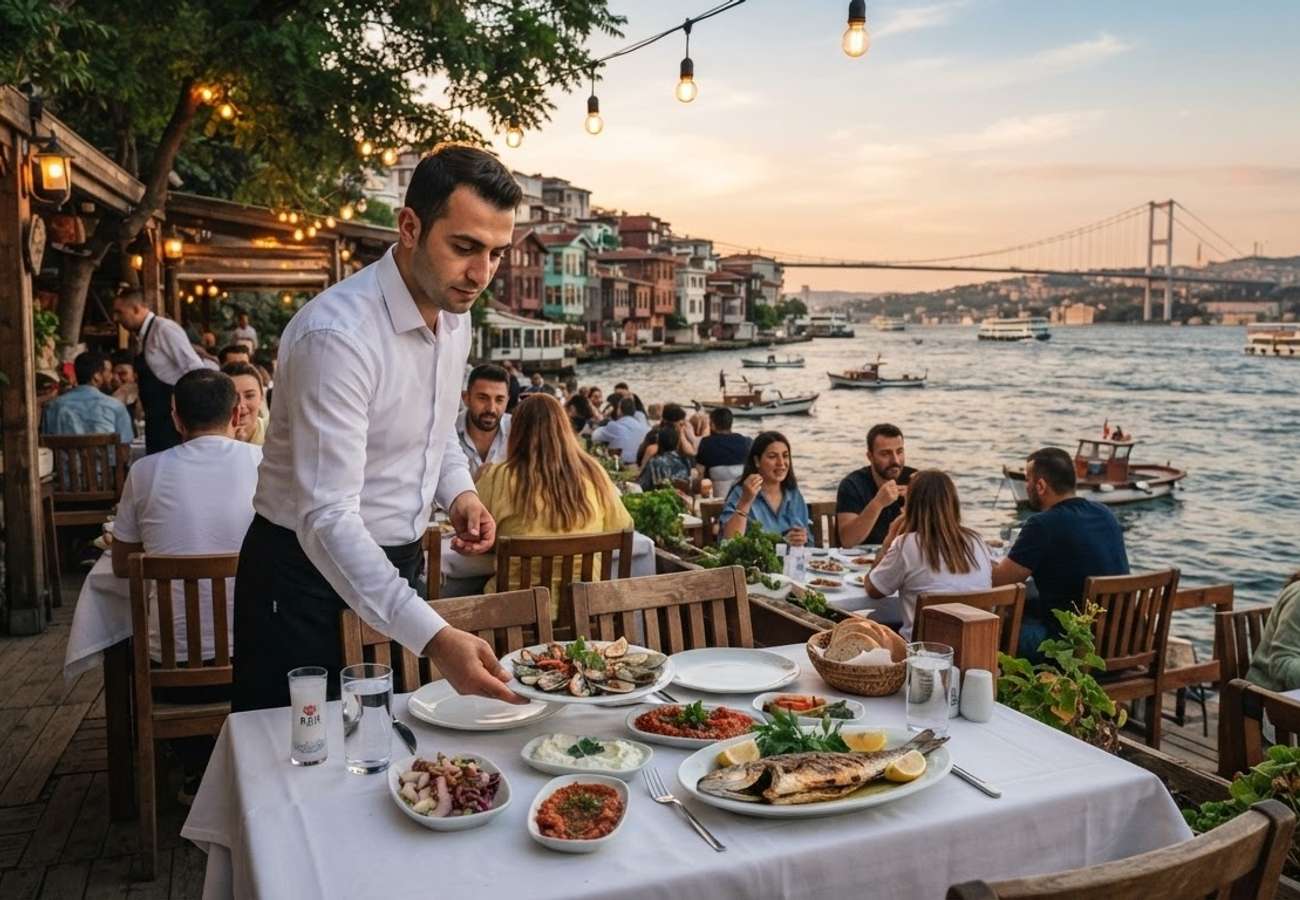
Image generated by AI
The Bosphorus serves as the culinary spine of Istanbul, where the geography of the strait dictates the dining experience. From the raki-centric seafood houses of Arnavutköy to the expansive breakfast terraces of Üsküdar, waterfront dining is a cultural staple rather than a luxury. For visitors in 2026, the challenge lies in distinguishing between authentic local hubs and overpriced tourist traps.
Regional Dining Dynamics: European vs. Asian Shores
The Bosphorus dining scene is split by two distinct atmospheres. The European side—comprising Ortaköy, Kuruçeşme, Arnavutköy, and Bebek—tends toward polished service, international crowds, and premium pricing. In these districts, particularly Bebek, you pay a significant markup for the address and the social scene.
Conversely, the Asian side—including Üsküdar, Kuzguncuk, Çengelköy, and Beylerbeyi—offers a more residential, family-oriented environment. These areas generally provide better value and a more consistent quality of food, as they cater primarily to local Istanbulites rather than tour groups.
Waterfront Seafood and the Raki Culture
The quintessential Bosphorus experience is the meyhane style dinner: fresh seafood paired with raki (anise-flavored spirit).
- Arnavutköy: This is the premier destination for serious seafood. Located between Ortaköy and Bebek, it is famous for its row of fish restaurants set against historic wooden houses. Establishments like Akıntıburnu offer white-tablecloth service, while Livar Balık Evi provides a more compact, multi-story experience.
- Bebek: This area is more fashion-conscious. While it offers stunning views of the bay, the menus often skew toward upscale Mediterranean fusion. It is best suited for sunset cocktails rather than a full dinner.
- Üsküdar: On the Asian shore, Villa Bosphorus is a standout for its proximity to the water and a lack of aggressive upselling.
Traditional Bosphorus Breakfasts
Turkish breakfast (kahvaltı) is a slow, multi-hour affair. On weekends, the Bosphorus waterfronts become hubs for "serpme kahvaltı" (family-style spreads) featuring menemen, sucuk, various cheeses, and honey.
In Üsküdar, Dilruba is frequently cited for its capacity to handle large groups on garden terraces. While Ortaköy and Arnavutköy offer appealing breakfasts, the pricing is higher due to their central, tourist-heavy locations. For a more authentic experience, the quieter neighborhoods of Kuzguncuk and Beylerbeyi provide a more relaxed atmosphere.
High-Altitude Dining: Rooftops and Panoramas
For those seeking a bird's-eye view of the strait, the hills of Beyoğlu and the historic peninsula offer the best vantage points.
- Luxury Tier: Mikla and 360 Istanbul remain the gold standard for 2026. These venues offer contemporary Turkish-fusion tasting menus and 360-degree views of the Golden Horn and the Bosphorus.
- Mid-Range Tier: Rooftops in Sirkeci and Sultanahmet provide a more accessible alternative, allowing guests to order a la carte mains rather than committing to expensive tasting menus.
Bosphorus Dining Price Index 2026
Our analysis of current market rates indicates the following average costs for waterfront dining:
| Meal Type | Location | Estimated Cost (Per Person) | Notes |
|---|---|---|---|
| Upscale Seafood Dinner | Bebek / Ortaköy | 1,500 – 2,500 TRY | Includes meze, grilled sea bass, and wine |
| Casual Seafood Lunch | Arnavutköy | 500 – 700 TRY | Fish sandwich, salad, and soft drink |
| Luxury Tasting Menu | Beyoğlu Rooftops | Several Thousand TRY | High-end fusion; special occasion pricing |
| Traditional Breakfast | Üsküdar / Asian Side | Mid-range lunch equivalent | Set menus; varies by extras (sucuk/juice) |
Why This Matters: Industry Analysis
From a logistical and financial perspective, the "Bosphorus Premium" is a real factor in Istanbul's tourism economy. For the traveler, the real impact is the disparity between the European and Asian shores.
Our analysis suggests that while the European side offers the "postcard" experience, the Asian side provides higher "Information Gain" for the culinary tourist. In 2026, the trend is shifting toward "hyper-localism." Travelers are increasingly avoiding the polished facades of Bebek in favor of the authentic, family-run establishments in Beylerbeyi and Kuzguncuk. This shift is driven by a desire for authenticity and a reaction against the inflation of prices in primary tourist zones.
Forward Outlook
Expect a continued rise in "fusion" concepts on the European side, blending traditional Turkish seafood with global culinary trends to attract high-net-worth travelers. However, the core of Bosphorus dining will remain the meyhane. We anticipate an increase in boutique breakfast cafes in the Asian districts as remote workers and "digital nomads" seek scenic, long-term morning spots.
The Bosphorus is not just a location; it is the primary ingredient in Istanbul's dining identity.
Related Travel Guides
Disclaimer
This article is for informational and educational purposes only. It does not constitute legal, financial, or professional advice. While we strive to provide accurate and up-to-date information, travel policies, regulations, and conditions change rapidly. Always verify information with official sources before making travel decisions. Nomad Lawyer makes no representations about the accuracy, reliability, completeness, or suitability of the information provided. Readers should consult qualified professionals for advice specific to their circumstances. The views expressed in this article are those of the author and do not necessarily reflect the views of Nomad Lawyer.