
Border checks leave 120+ easyJet passengers stranded at Milan airport
Over 120 easyJet passengers missed their Manchester flight after EU's new biometric Entry/Exit System caused severe border delays at Milan Linate Airport in April 2026, highlighting EES rollout disruptions.

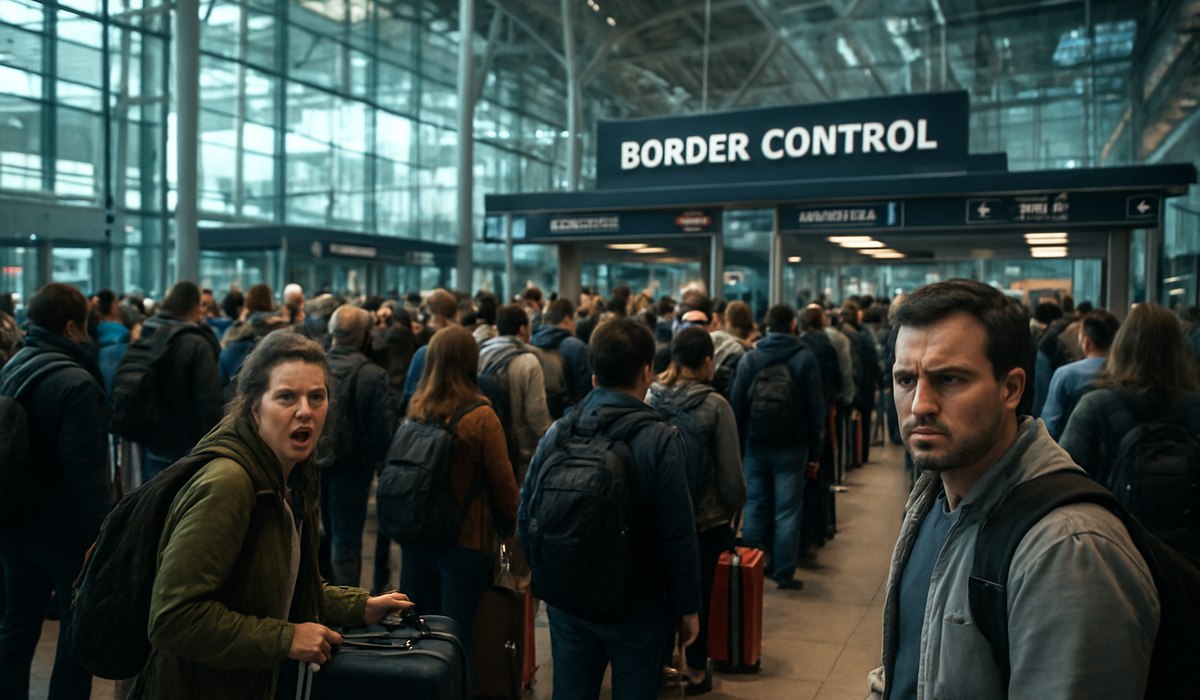
Image generated by AI
Major Flight Disruption as EU Biometric System Overwhelms Milan Airport
Over 120 easyJet passengers missed their Manchester-bound departure on April 12, 2026, after new EU biometric border checks created multi-hour queues at Milan Linate Airport. The disruption marked one of the most significant operational failures since the European Union's Entry/Exit System went live across Schengen borders just two days earlier. Affected travelers—primarily UK residents—faced unexpected accommodation costs, missed connections, and ongoing uncertainty about compensation eligibility as airports and airlines scramble to manage the border checks leave processing bottleneck.
Chaos at Milan as EES Rollout Causes Mass Flight Disruption
The incident unfolded on Sunday, April 12, as the easyJet evening service to Manchester approached departure time. According to multiple travel industry reports, only approximately 34 passengers successfully boarded the flight despite advance bookings exceeding 150 seats. Airport staff attempted to process thousands of travelers through newly implemented biometric procedures, including fingerprint scanning and facial image capture for non-EU nationals.
Processing times stretched into hours as the system struggled under peak Sunday traffic. Many passengers arrived at the airport with appropriate lead time but found themselves trapped in border control queues when boarding closed. Eyewitness accounts describe crowded conditions in the passport control hall, with some travelers reporting discomfort as they waited in warm, congested areas. Local Milan media highlighted that automated gates experienced a high rejection rate, forcing additional passengers into manual processing lines and compounding congestion further.
The incident sparked immediate criticism from easyJet, which publicly described the border checks leave situation as unacceptable. Airlines and airport operators expressed concerns that infrastructure and staffing had not scaled adequately for the system's full implementation.
New Biometric Procedures Overwhelm Airport Capacity on Peak Travel Day
The Entry/Exit System represents a significant operational shift for European border management. Rather than manual passport stamping, the EES creates a unified digital database capturing biometric information—fingerprints and facial scans—for all non-EU travelers entering or exiting the Schengen Area. The system launched fully across external borders on April 10, 2026, just 48 hours before the Milan disruption.
Airports Council International had previously warned governments and airport operators about potential teething problems during the transition period. Early reports from Italy, France, Spain, and other Schengen members confirmed queues reaching three hours at major terminals. Milan Linate, serving approximately 12 million annual passengers, faced particular strain due to its compact border control infrastructure relative to passenger volume.
The combination of peak weekend travel demand and system familiarization challenges created a perfect storm. Staff required additional time to guide travelers through new procedures, explain biometric capture requirements, and troubleshoot technical issues. Many travelers lacked prior knowledge about the system, slowing processing further.
Entry/Exit System Delays Spreading Across Schengen Borders
The border checks leave difficulties at Milan represent just one location experiencing EES-related disruption. Airport operators across the European Union reported similar challenges during the system's initial rollout phase. The technical infrastructure, while designed to eventually streamline crossings, created immediate bottlenecks as databases populated and staff developed proficiency.
Industry analysts note that the system will theoretically accelerate border processing once travelers become familiar with procedures and biometric data becomes more comprehensive. However, the transition period—lasting weeks or months—presents operational risks for airports, airlines, and travelers alike. Smaller regional airports faced particular challenges due to limited border control staffing and physical space constraints.
The European Union acknowledged these implementation challenges but emphasized that the system's long-term security benefits justified the short-term disruption. Border officials confirmed commitment to optimization based on early operational data. However, passengers experiencing delays or missed connections during this period received limited immediate relief.
Financial and Personal Impact for Stranded Passengers
The 120+ passengers who missed the easyJet flight faced significant unexpected expenses and logistical challenges. According to UK media coverage, many travelers had to arrange same-day or next-day Milan accommodation at premium rates. Some spent multiple nights in the city awaiting space on alternative flights, accumulating hotel, meal, and ground transportation costs.
Additional passengers booked replacement tickets on different airlines and routes, sometimes paying hundreds of pounds for alternate itineraries. Some attempted ground travel to other airports to catch different flights homeward. UK residents reported missed work obligations, family commitments, and childcare disruptions caused by the unplanned delays.
Passenger rights specialists indicated that compensation under EU Regulation 261/2004 might apply in some circumstances, but determining liability proved complicated. Since the aircraft departed on schedule and the disruption originated from border processing rather than airline operations, some legal experts suggested passengers faced burdensome evidence requirements for successful claims. Others argued airlines bore shared responsibility for inadequate coordination with border authorities.
The financial and emotional toll on affected travelers demonstrated how border checks leave systems can cascade into widespread personal hardship when operational capacity proves insufficient.
What Travelers and Remote Workers Need to Know About EES
| Aspect | Details |
|---|---|
| Launch Date | April 10, 2026 across all external Schengen borders |
| Affected Travelers | Non-EU nationals entering/exiting Schengen Area |
| Required Data | Fingerprints, facial images, passport information |
| Processing Impact | Initial queues averaging 1-3 hours at major airports |
| UK Citizens | Now required to provide biometric data as third-country nationals |
| Expected Duration | Transition period estimated 4-12 weeks for optimization |
The Entry/Exit System affects all travelers holding non-EU passports, including British citizens. Remote workers planning extended European stays should budget additional time for border processing and verify whether their visa status permits remote employment within Schengen member states. Some countries impose restrictions on working remotely on tourist visas.
What This Means for Travelers
-
Plan arrival times generously: Allow 3-4 hours minimum for border processing during the EES transition period, particularly at major hub airports. Milan, Rome, Paris, and other major terminals experience the heaviest demand.
-
Expect biometric data collection: Prepare for fingerprint and facial image scanning at border gates. Ensure your passport is undamaged, as biometric systems reject poor-quality documents at higher rates.
-
Verify visa requirements: Remote workers and frequent travelers should confirm their visa status permits their intended activities. Schengen visa conditions may restrict business activities even for short visits.
-
Document border delays: Keep receipts for accommodation, meals, and transportation if delays occur. This documentation strengthens potential compensation claims under EU Regulation 261/2004.
-
Contact your airline early: If you anticipate missing a flight due to border delays, notify your airline immediately. Some carriers offer rebooking on later flights within hours of the disruption.
-
Monitor official announcements: Check relevant airport websites and border authority announcements before travel. EES optimization efforts continue, potentially reducing delays over coming weeks.
Frequently Asked Questions
Q: Will the EU's Entry/Exit System eventually improve border crossing times? A: Yes. Once staff becomes proficient and biometric databases mature, the EES is designed to expedite border processing significantly. The current delays represent a temporary transition phase. Industry estimates suggest optimization within 8-12 weeks of full implementation across all Schengen borders.
Q: Can I claim compensation for EES-related flight delays? A: Potentially, under EU Regulation 261/2004, but the process proves complicated. Since border delays originate outside airline operations, proving airline responsibility requires detailed documentation. Consult passenger rights organizations or aviation lawyers for individual cases.
Q: Does the EES apply to UK citizens? A: Yes. British citizens are now third-country nationals requiring biometric
Disclaimer
This article is for informational and educational purposes only. It does not constitute legal, financial, or professional advice. While we strive to provide accurate and up-to-date information, travel policies, regulations, and conditions change rapidly. Always verify information with official sources before making travel decisions. Nomad Lawyer makes no representations about the accuracy, reliability, completeness, or suitability of the information provided. Readers should consult qualified professionals for advice specific to their circumstances. The views expressed in this article are those of the author and do not necessarily reflect the views of Nomad Lawyer.
Preeti Gunjan
Contributor & Community Manager
A passionate traveller and community builder. Preeti helps grow the Nomad Lawyer community, fostering engagement and bringing the reader experience to life.
Learn more about our team →