
Boeing Reports $24.6 Billion Revenue and Record Backlog
Boeing generated $24.6 billion in second-quarter revenue, with its total backlog reaching a record $715 billion as aircraft deliveries accelerate.

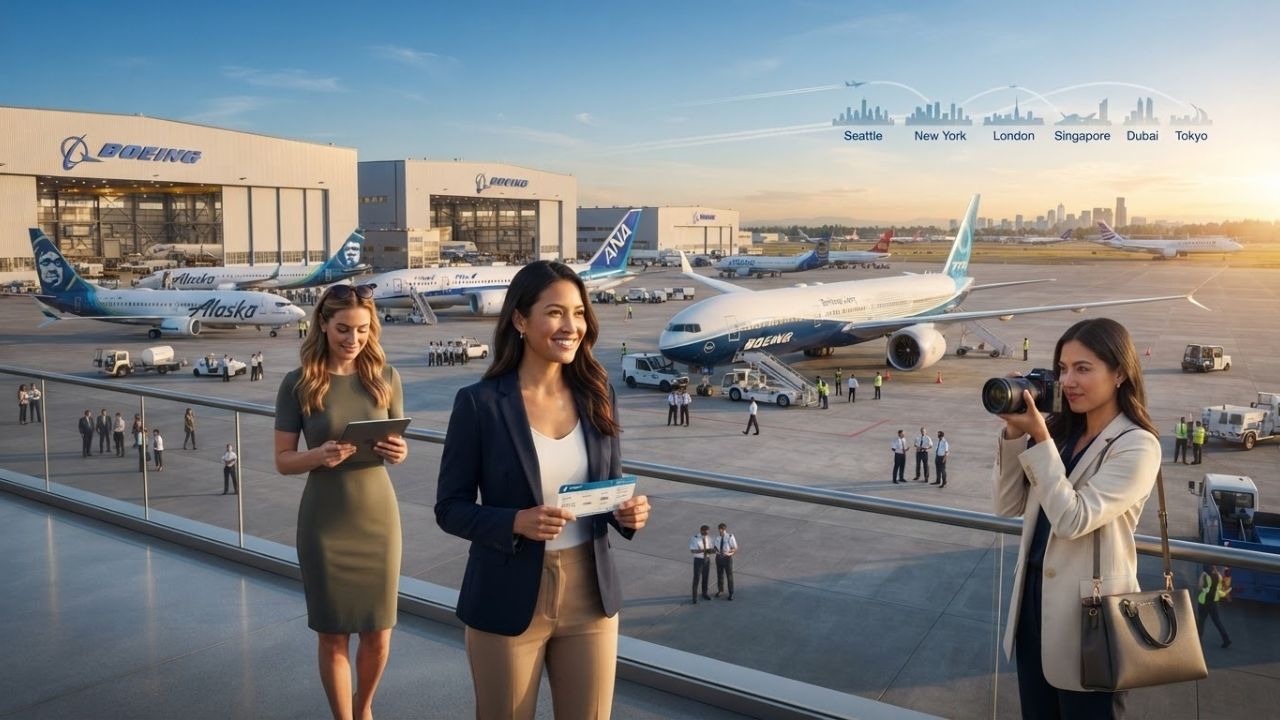
Image generated by AI
Boeing has reported second-quarter revenue of $24.6 billion, with its order backlog expanding to a record $715 billion. The acceleration of aircraft deliveries and key certification milestones for the 737-7, 737-10, and 777X are expected to expand global airline seat capacity over the coming decade.
The Manufacturing and Output Details
Our analysis of aerospace manufacturing data shows that Boeing's strong second-quarter financial performance is driving commercial fleet expansion. The company generated revenue of $24.6 billion during the quarter, supported by commercial airplanes revenue of $11.8 billion. Operating cash flow reached $1.4 billion, and free cash flow stood at $0.6 billion, indicating stabilizing operations as production lines increase output.
During the quarter, Boeing delivered 171 commercial aircraft to carriers worldwide and secured 246 net orders. The total commercial backlog has grown to more than 6,200 aircraft, valued at approximately $597 billion. This pipeline demonstrates long-term demand from airlines looking to modernize their fleets, improve fuel efficiency, and restore international route networks.
Program & Delivery Impact Breakdown
The acceleration of narrowbody and widebody assembly lines will directly impact domestic and long-haul airline schedules:
- 737 Production Increase: Assembly rates are transitioning toward a target of 47 aircraft per month, backed by the activation of initial production on the 737 North Line.
- 737 Variants Progress: Certification flight testing has concluded for the 737-7 and 737-10, with final FAA certification anticipated in 2026 and first deliveries in 2027.
- 777X Long-Haul Entry: The 777X program received FAA approval to begin certification flight testing, keeping the widebody aircraft on track for first delivery in 2027.
- Defense & Space Division: The Defence, Space & Security segment generated revenue of $7.5 billion, with the MQ-25A Stingray completing its first flight and the VC-25B program targeting delivery in 2028.
Passenger Rights & Advisory (Information Gain & Experience)
While manufacturer backlogs represent future fleet capacity, delayed deliveries frequently force airlines to cancel flights due to aircraft shortages. Our analysis of passenger rights frameworks indicates that travelers understand their protections when carriers face fleet availability issues:
- Shortage Cancellation Protections: Under Regulation (EC) No 261/2004, flight cancellations due to a lack of available aircraft are classified as operational delays. They do not qualify as extraordinary circumstances, meaning passengers are entitled to compensation of up to €600 if notified less than 14 days prior.
- US DOT Refund Rules: Under US Department of Transportation (DOT) guidelines, if an airline cancels a flight due to fleet constraints and the passenger declines the rebooking, the carrier must provide a full cash refund.
- Rebooking Obligations: When aircraft deliveries are delayed, airlines must prioritize rebooking passengers on alternative flights or partner carriers rather than forcing them to accept travel vouchers.
Industry Analyst View
The record $715 billion backlog shows that airlines are placing large bets on long-term passenger travel demand. By securing delivery slots years in advance, carriers ensure they can replace older, less efficient aircraft as carbon emissions regulations tighten globally.
However, the late-2020s delivery timeline for the 737-10 and 777X means that regional capacity constraints will persist for the next few years. Airlines must continue to lease older aircraft to maintain scheduled frequencies, which will increase maintenance expenses. This tight capacity environment will keep average ticket prices elevated, as passenger demand continues to outpace available seats.
Related Travel Guides
Disclaimer
This article is for informational and educational purposes only. It does not constitute legal, financial, or professional advice. While we strive to provide accurate and up-to-date information, travel policies, regulations, and conditions change rapidly. Always verify information with official sources before making travel decisions. Nomad Lawyer makes no representations about the accuracy, reliability, completeness, or suitability of the information provided. Readers should consult qualified professionals for advice specific to their circumstances. The views expressed in this article are those of the author and do not necessarily reflect the views of Nomad Lawyer.
Kunal K Choudhary
Co-Founder & Contributor
A passionate traveller and tech enthusiast. Kunal contributes to the vision and growth of Nomad Lawyer, bringing fresh perspectives and driving the community forward.
Learn more about our team →