
Boeing's 777X Crisis Deepens: Airlines Reject Years-Old Stored Jets Amid Massive Rework Backlog
Breaking airline news and aviation industry updates for 2026.

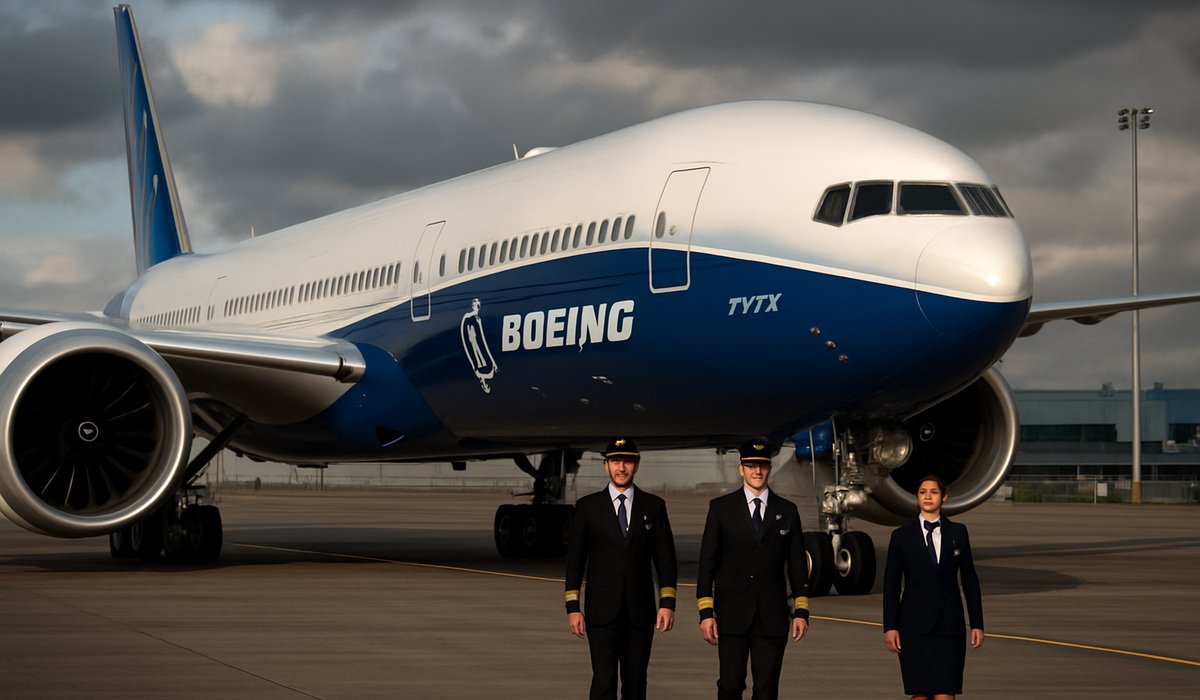
Image generated by AI
Boeing's 777X Crisis Deepens: Airlines Reject Years-Old Stored Jets Amid Massive Rework Backlog
The aerospace giant faces a critical inflection point as carriers refuse delivery of deteriorated aircraft, forcing costly overhauls that could further delay the already troubled wide-body program
A Mounting Crisis for Boeing's Flagship Program
Boeing is confronting an unprecedented challenge with its long-delayed 777X wide-body aircraft program as major carriers refuse to accept early-production units that have languished in storage facilities for extended periods. The rejection marks a significant escalation in the troubled program, which has already missed multiple delivery deadlines and faced substantial financial losses.
The aircraft manufacturer currently maintains more than 30 777X jets in inventory storage—machines that accumulated manufacturing defects and age-related degradation during years of extended warehousing. Boeing has acknowledged that restoring these aircraft to delivery condition will require extensive rework, a remediation process the company estimates will span several years.
The Deterioration Problem and Carrier Resistance
Airlines ordering the 777X have made clear they will not accept aircraft that have been subject to prolonged storage without comprehensive restoration. The jets, referred to internally as early "inventory" units, have developed various technical and mechanical issues during their time on storage pads, necessitating component replacements and system overhauls before they can enter commercial service.
This refusal represents a stark departure from traditional aircraft procurement, where carriers typically accept deliveries on manufacturer timelines. The pushback underscores growing frustration within the aviation industry over Boeing's production capabilities and quality assurance processes.
Financial and Operational Implications
The rework requirement compounds Boeing's already severe financial challenges. The aerospace sector has witnessed elevated jet fuel prices and supply chain disruptions in recent years, issues that have strained airline profitability and reduced demand for new aircraft. Boeing's delayed 777X program has become emblematic of broader manufacturing and engineering challenges facing the company.
Industry analysts note that the 777X delays have allowed competitors, particularly Airbus with its A350 platform, to capture market share among carriers seeking wide-body capacity. The extended timeline also increases Boeing's carrying costs and regulatory exposure.
Path Forward Uncertain
Boeing has not publicly detailed a comprehensive strategy for addressing the stored inventory or revised delivery schedules. The company's ability to resolve the 777X crisis will be critical to its financial recovery and reputation within the aviation industry.
FAQ: Understanding Boeing's 777X Crisis
What is the Boeing 777X and why is it important? The 777X is Boeing's flagship wide-body aircraft designed for long-haul international routes. It represents the company's primary offering in competition with Airbus's A350 for premium carrier orders.
Why are airlines refusing to accept stored 777X aircraft? Aircraft stored for extended periods develop mechanical and technical degradation, including component corrosion, system failures, and manufacturing defects that accumulate over time. Airlines demand delivery-ready aircraft.
How long will rework take? Boeing has estimated that comprehensive restoration of the stored inventory will require several years, though specific timelines remain unclear.
What impact does this have on jet fuel costs and airline operations? Extended 777X delays shift market demand toward in-service aircraft, affecting fuel efficiency economics and carrier fleet planning strategies during periods of volatile jet fuel prices.
Could this affect future Boeing orders? Continued delays may further erode Boeing's market position and influence airline procurement decisions, potentially favoring Airbus competitors in upcoming wide-body aircraft tenders.
Related Travel Guides
- Hartsfield-Jackson Atlanta Hits Severe Travel Turmoil as Delta and British Airways Face 160 Flight Delays Across Major Global Routes
- Finnair Finland Shocks Investors: No Dividend, Capital Return, Board Shake-Up
- Argentina Travel Deficit Explodes to $3.18 Billion: Are Holiday Spending Sprees Damaging the National Economy
Disclaimer
This article is for informational and educational purposes only. It does not constitute legal, financial, or professional advice. While we strive to provide accurate and up-to-date information, travel policies, regulations, and conditions change rapidly. Always verify information with official sources before making travel decisions. Nomad Lawyer makes no representations about the accuracy, reliability, completeness, or suitability of the information provided. Readers should consult qualified professionals for advice specific to their circumstances. The views expressed in this article are those of the author and do not necessarily reflect the views of Nomad Lawyer.
Kunal K Choudhary
Co-Founder & Contributor
A passionate traveller and tech enthusiast. Kunal contributes to the vision and growth of Nomad Lawyer, bringing fresh perspectives and driving the community forward.
Learn more about our team →