
Cockpit Audio Exposes Critical Final Moments Before Fatal UPS Cargo Crash in Kentucky
Breaking airline news and aviation industry updates for 2026.

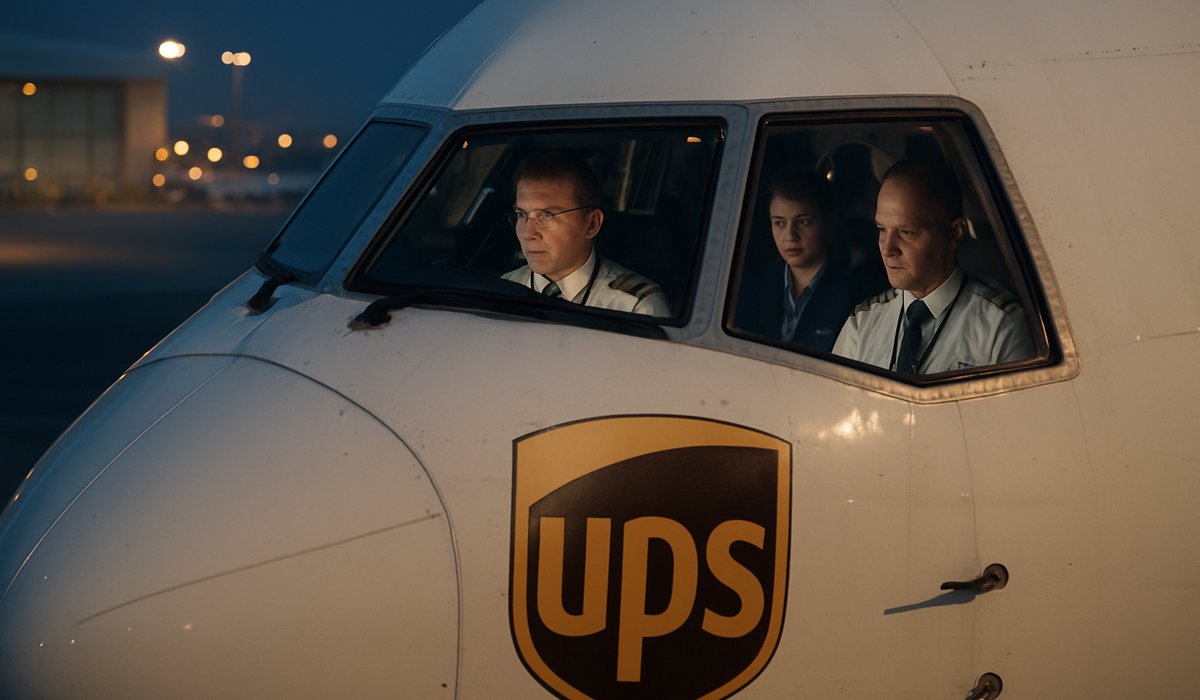
Image generated by AI
Cockpit Audio Exposes Critical Final Moments Before Fatal UPS Cargo Crash in Kentucky
Federal investigators release unprecedented details from doomed MD-11 freighter as aviation safety concerns mount over aging cargo aircraft fleets
Investigation Uncovers Last Communications Before Disaster
Federal aviation authorities have released devastating new findings from the cockpit voice recorder of a UPS Airlines cargo aircraft that plummeted near Louisville, Kentucky, in November 2025, killing all 15 people aboard—including the entire three-person flight crew. The National Transportation Safety Board disclosed the chilling audio transcript during a public hearing this week, revealing the final exchanges between pilots as their McDonnell Douglas MD-11 freighter experienced catastrophic engine failure moments after takeoff.
The aircraft, identified as UPS Flight 2976, suffered a catastrophic loss of its left-side engine shortly after departing from Louisville International Airport. The cockpit recordings capture the crew's initial confusion and subsequent attempts to manage the emergency before communications ceased abruptly.
Aircraft Swap Hours Before Takeoff Added Complexity
Among the critical revelations, investigators confirmed that the aircraft assigned to the flight was replaced with a different MD-11 just hours before departure—a last-minute substitution that may have affected crew familiarity and pre-flight procedures. This operational change has drawn particular scrutiny from safety experts examining whether the crew had sufficient time to properly review the replacement aircraft's maintenance history and technical specifications.
"The timing and circumstances surrounding the aircraft swap warrant deeper examination of cargo carrier protocols," the NTSB indicated during its preliminary assessment phase.
Aging Freighter Fleet Raises Industry-Wide Concerns
The incident has reignited concerns about the aging McDonnell Douglas MD-11 freighter fleet still operating across the global cargo aviation sector. The MD-11, which ceased passenger production in 1998, remains a workhorse for overnight shipping and logistics operators like UPS, FedEx, and other international carriers. However, maintenance demands and mechanical reliability issues continue to plague these aging aircraft as carriers defer fleet modernization amid rising operational costs.
The crash marks one of the deadliest aviation accidents involving a dedicated cargo operator in recent years and comes as the logistics and aviation sectors grapple with supply chain pressures and rising fuel expenses that have delayed fleet renewal investments.
Safety Board Examines Systemic Failures
The NTSB investigation continues to examine whether maintenance oversight, crew training, and pre-flight inspection protocols contributed to the catastrophic engine failure. Preliminary findings suggest potential issues with engine condition monitoring and maintenance records for the replacement aircraft.
FAQ: Understanding the UPS Flight 2976 Crash and Cargo Aviation Safety
What caused the UPS Airlines cargo plane to crash near Louisville? The aircraft experienced catastrophic failure of its left-side engine moments after takeoff. The NTSB investigation is examining maintenance records, crew responses, and the last-minute aircraft substitution as potential contributing factors.
Why was the aircraft replaced hours before departure? The NTSB report does not provide explicit reasoning for the swap, but such changes typically occur due to mechanical issues, scheduling conflicts, or maintenance requirements on the originally assigned aircraft.
How old was the McDonnell Douglas MD-11 that crashed? While specific age details are still under investigation, the MD-11 freighter model ceased production in the late 1990s, making it at least 25+ years old—typical for cargo aircraft still in active service.
Are MD-11 cargo aircraft safe to fly? The MD-11 remains a certified aircraft operated globally by major carriers. However, aging fleets require increasingly rigorous maintenance and inspection protocols to ensure continued airworthiness.
What changes might this accident prompt in cargo aviation regulations? The investigation may lead to stricter maintenance oversight, enhanced crew training for aircraft substitutions, and accelerated timelines for retiring older freighter aircraft from active service.
Related Travel Guides
- Singapore Airlines Deploys 8 Jakarta Relief Flights as Indonesia Reopens Soekarno-Hatta After Volcanic Ash Disruption
- Bypassing US Domestic Travel Chaos: Breeze Airways Launches Direct Louisville Flights to Shield Passengers from Legacy Hub Airport Disruptions
- South Korea Airlines Face 27% Complaint Surge — Tourists Warned
Disclaimer
This article is for informational and educational purposes only. It does not constitute legal, financial, or professional advice. While we strive to provide accurate and up-to-date information, travel policies, regulations, and conditions change rapidly. Always verify information with official sources before making travel decisions. Nomad Lawyer makes no representations about the accuracy, reliability, completeness, or suitability of the information provided. Readers should consult qualified professionals for advice specific to their circumstances. The views expressed in this article are those of the author and do not necessarily reflect the views of Nomad Lawyer.
Preeti Gunjan
Contributor & Community Manager
A passionate traveller and community builder. Preeti helps grow the Nomad Lawyer community, fostering engagement and bringing the reader experience to life.
Learn more about our team →