
Airbus A321XLR Emerges as Game-Changing 757 Successor, Reshaping Long-Range Narrowbody Aviation
Breaking airline news and aviation industry updates for 2026.

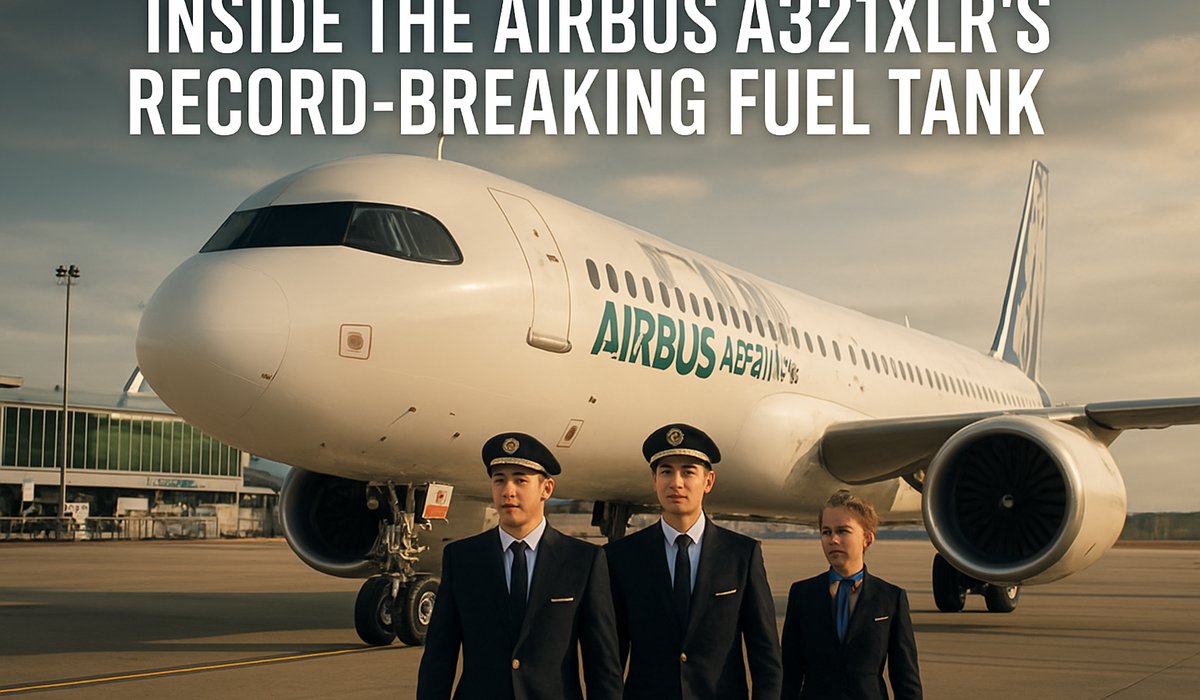
Image generated by AI
Airbus A321XLR Emerges as Game-Changing 757 Successor, Reshaping Long-Range Narrowbody Aviation
Extended-range capabilities and fuel efficiency could fundamentally alter airline route planning and operational economics across global carriers
Revolutionary Fuel Technology Disrupts Market Dynamics
Airbus has unveiled a potential industry disruptor with its A321XLR (Extended Long Range), a narrowbody aircraft engineered to challenge the longstanding dominance of Boeing's iconic 757 in ultra-efficient, long-haul operations. The new model's revolutionary fuel tank configuration delivers unprecedented range capabilities for single-aisle aircraft, potentially reshaping how airlines approach route economics and fleet deployment strategies across secondary European hubs and transatlantic markets.
The A321XLR's expanded fuel capacity represents a watershed moment for the aviation sector, enabling carriers to operate extended routes previously reserved for larger, costlier widebody jets. This technological advancement arrives amid industry-wide pressure to reduce operational expenses, including volatile jet fuel prices that continue affecting airline profitability and passenger ticket pricing.
Market Implications for Global Aviation
For nearly four decades, the 757 served as the workhorse for airlines seeking operational flexibility on premium-length regional and transcontinental routes. Its versatility—combining the operating economics of a narrowbody with widebody-class range—created a niche that few competitors could match. Airlines leveraged this capability to connect secondary European cities with lucrative North American markets while avoiding the substantial capital and fuel expenditures associated with traditional widebody operations.
The A321XLR's emergence directly addresses this market gap with modern technology. Enhanced fuel efficiency, reduced maintenance requirements, and lower seat-mile costs fundamentally alter the financial calculus for route planning. Carriers operating aging 757 fleets now face critical decisions regarding fleet modernization and route optimization.
Broader Industry Transformation
This development reflects broader transformation across the aviation sector as manufacturers compete to offset inflationary pressures on jet fuel costs and airline operating expenses. The narrowbody segment—representing approximately 80% of global commercial aircraft deliveries—continues driving innovation in range, efficiency, and passenger capacity.
Airlines worldwide are increasingly scrutinizing baggage charges, ancillary revenue streams, and fuel surcharges as cost-management strategies. A more economical long-range aircraft reduces pressure on these supplementary fees, potentially benefiting price-conscious passengers while maintaining carrier margins.
The A321XLR's market reception will significantly influence future fleet strategies across legacy carriers and low-cost operators alike, determining whether secondary European-North American markets remain viable for single-aisle operators or revert to widebody dominance.
Frequently Asked Questions
Q: How does the A321XLR's fuel capacity compare to the Boeing 757? A: The A321XLR incorporates an advanced fuel tank system providing substantially extended range—enabling transatlantic operations impossible for previous single-aisle aircraft—while maintaining superior fuel efficiency compared to legacy 757 powerplants.
Q: Will the A321XLR reduce airline baggage fees and fuel surcharges? A: Lower operational costs per available seat mile may reduce pressure on ancillary revenue, though baggage charges and fuel surcharges remain airline-specific policies influenced by market competition and fuel price volatility.
Q: What impact will this have on jet fuel prices and airline economics? A: Enhanced fuel efficiency reduces per-seat fuel consumption, partially insulating carriers from volatile fuel markets and potentially moderating pricing pressures passed to passengers.
Q: Which airlines are ordering the A321XLR? A: Major international carriers have announced significant orders, recognizing the aircraft's potential to optimize transcontinental operations while reducing fleet-wide fuel expenditures.
Q: Could the 757 become obsolete? A: Remaining 757 operators face eventual retirement timelines, though their exit depends on A321XLR availability, manufacturing capacity, and individual airline modernization strategies.
Related Travel Guides
External Resources
Disclaimer
This article is for informational and educational purposes only. It does not constitute legal, financial, or professional advice. While we strive to provide accurate and up-to-date information, travel policies, regulations, and conditions change rapidly. Always verify information with official sources before making travel decisions. Nomad Lawyer makes no representations about the accuracy, reliability, completeness, or suitability of the information provided. Readers should consult qualified professionals for advice specific to their circumstances. The views expressed in this article are those of the author and do not necessarily reflect the views of Nomad Lawyer.
Preeti Gunjan
Contributor & Community Manager
A passionate traveller and community builder. Preeti helps grow the Nomad Lawyer community, fostering engagement and bringing the reader experience to life.
Learn more about our team →