
Bluegreen Vacations Reviews 2026: Analyzing Timeshare Costs, Sales Tactics, and Owner Risks
An in-depth analysis of Bluegreen Vacations reviews, exploring the financial implications of points-based ownership, high-pressure sales presentations, and the reality of resort quality for 2026 travelers.

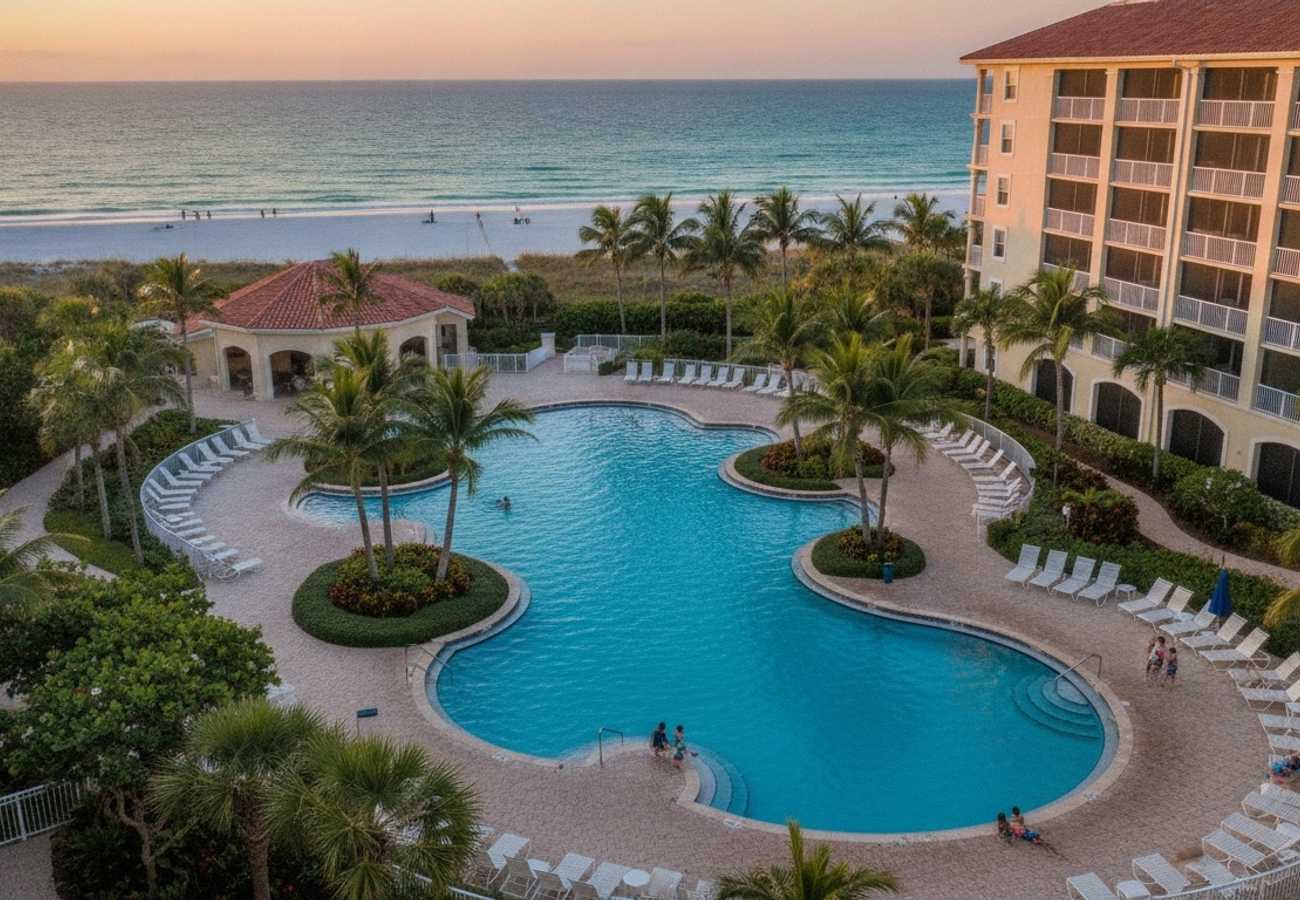
Image generated by AI
Potential travelers are facing a stark divide between luxury condo experiences and long-term financial regret when engaging with Bluegreen Vacations. While some guests enjoy high-value promotional stays, many owners report high-interest loans ranging from $15,000 to over $50,000 and escalating annual maintenance fees.
The landscape of vacation ownership has shifted significantly since Hilton Grand Vacations acquired Bluegreen, increasing the visibility of the brand. For the modern traveler, the appeal lies in the promise of spacious, condo-style accommodations in premier U.S. destinations. However, industry reports and consumer testimonials suggest that the transition from a discounted guest to a full owner is often fraught with complex contracts and aggressive sales strategies.
Mechanics of the Bluegreen Points-Based System
Bluegreen Vacations operates on a points-based ownership model, moving away from the traditional "fixed-week" timeshare. In this system, owners purchase an annual allotment of points that serve as currency for booking stays across a network of resorts.
The utility of these points fluctuates based on demand, location, and timing. For example, a family might utilize between 6,000 and 8,000 points for a one-bedroom unit in Orlando during the slower month of September. Conversely, securing a two-bedroom ski chalet in Colorado during the peak Christmas window requires a significantly higher point expenditure. While this offers theoretical flexibility, it requires owners to be strategic and plan their itineraries months in advance to avoid point shortages.
The Promotional Hook and Sales Presentations
Most consumers enter the Bluegreen ecosystem through heavily discounted promotional packages. These offers—often marketed via mall kiosks or outdoor retail partners—typically provide a three-night stay in hubs like Las Vegas, Myrtle Beach, or Orlando for a price point between $199 and $299.
The primary condition for these rates is the mandatory attendance of a sales presentation, officially slated for 90 to 120 minutes. However, guest reports frequently indicate that these sessions can stretch to three hours or more. The process often involves a "ladder" of sales personnel, where guests are passed from an initial representative to various managers, each offering new incentives or price adjustments to close the deal.
Financial Obligations of Full Ownership
The transition from a promotional guest to an owner involves a substantial financial leap. Reported purchase prices for ownership packages typically range from $15,000 to upwards of $50,000. These sums are frequently financed through high-interest loans arranged directly through Bluegreen.
Beyond the initial capital outlay, owners are burdened with recurring annual maintenance fees. A common point of contention in owner reviews is the discovery that the points purchased for a specific amount—such as a $20,000 contract—may not be sufficient to secure high-demand oceanfront units or school-holiday dates, forcing owners to either pay more or settle for less desirable time slots.
Resort Quality and Guest Satisfaction
From a hospitality perspective, Bluegreen properties generally receive positive marks for their physical amenities. Resorts such as Shore Crest in North Myrtle Beach and The Fountains in Orlando are praised for providing full kitchens, separate bedrooms, and in-unit laundry facilities.
For families, the value proposition is clear during promotional stays. A two-bedroom beachfront condo that might cost over $300 per night on standard booking sites is accessible for a fraction of that cost via a promotional package. Guests frequently highlight the following benefits:
- Screened balconies (particularly in Florida) to mitigate insect issues.
- Multiple swimming pool areas to reduce crowding.
- Family-centric activities, including movie nights and s'mores events.
However, the experience is not universally positive. Some guests on promotional tiers report being assigned to older, less-renovated buildings with dated interiors, as the most modern units are reserved for high-tier owners. Additionally, inconsistencies in housekeeping—such as delayed towel delivery or missed trash collection—are recurring themes in critical reviews.
Long-Term Owner Perspectives and Exit Challenges
The owner experience is largely dictated by how the purchase aligns with actual travel habits. Satisfied owners generally fall into a specific category: those who purchased a moderate amount of points, travel during shoulder seasons (such as Gatlinburg in May or Branson in October), and remain flexible regarding their destinations.
Conversely, dissatisfied owners often cite a gap between the sales pitch and the reality of usage. Some report total expenditures exceeding $100,000 over a decade when combining the initial purchase price, interest on financing, and rising maintenance fees.
The most critical issue for many is the difficulty of exiting the contract. The resale market for timeshares is notoriously weak, with points often selling for a fraction of their original cost. This creates a "financial trap" where owners remain legally responsible for annual maintenance fees even if they no longer wish to use the resorts. Some owners have turned to third-party exit companies, though these are often viewed as risky and expensive alternatives.
Legal and Regulatory Context
Bluegreen has faced various legal challenges and regulatory scrutiny regarding its lending and sales practices. Reports indicate lawsuits involving referral-based sales programs and specific concerns regarding borrowers from military backgrounds. These legal disputes highlight that vacation ownership is a binding financial commitment akin to a mortgage rather than a simple travel membership.
Why This Matters: The Traveler's Perspective
For the average traveler, the Bluegreen model presents a classic trade-off between short-term luxury and long-term liability. If you are booking a promotional stay, the value is high—provided you can stomach a three-hour sales pitch. However, the leap to ownership is where the risk resides.
From a financial standpoint, the "flexibility" of points is only an asset if you have a surplus of points and a flexible schedule. For those who prioritize specific dates (like Christmas or Spring Break), the system can become a source of frustration. The lack of a liquid resale market means that once the contract is signed, the financial obligation is nearly permanent. Travelers should treat any timeshare presentation as a high-stakes financial negotiation rather than a vacation perk.
The line between a dream getaway and a lifelong debt often depends on the fine print of the contract.
Related Travel Guides
Disclaimer
This article is for informational and educational purposes only. It does not constitute legal, financial, or professional advice. While we strive to provide accurate and up-to-date information, travel policies, regulations, and conditions change rapidly. Always verify information with official sources before making travel decisions. Nomad Lawyer makes no representations about the accuracy, reliability, completeness, or suitability of the information provided. Readers should consult qualified professionals for advice specific to their circumstances. The views expressed in this article are those of the author and do not necessarily reflect the views of Nomad Lawyer.
Raushan Kumar
Founder & Lead Developer
Full-stack developer with 11+ years of experience and a passionate traveller. Raushan built Nomad Lawyer from the ground up with a vision to create the best travel and law experience on the web.
Learn more about our team →